A Tiny Heart Warrior: The Extraordinary Story Behind the Viral “Three Heart Transplants” Claim
The image of a smiling child beside her family has been widely shared alongside a remarkable story about a young girl named “Adelina,” who is said to have survived three heart transplants during childhood. The story is deeply moving—but a review of available medical and historical sources shows that some of the claims circulating online should be treated with caution.
Heart transplantation in babies and young children is among the most complex procedures in modern medicine. Children may require a transplant because of severe congenital heart defects or cardiomyopathies, and finding a suitably sized donor heart can be particularly difficult. In Poland, for example, doctors reported three infant heart transplants within two months in 2024, describing the procedures as exceptionally demanding.
The United Kingdom has a long history of pioneering pediatric heart transplantation. One of the best-documented early cases was Hollie Roffey, a 10-day-old British baby treated by pioneering surgeon Sir Magdi Yacoub in 1984. Hollie had hypoplastic left heart syndrome, a severe congenital condition in which the left side of the heart is underdeveloped. Sadly, she survived only a few weeks after the transplant.
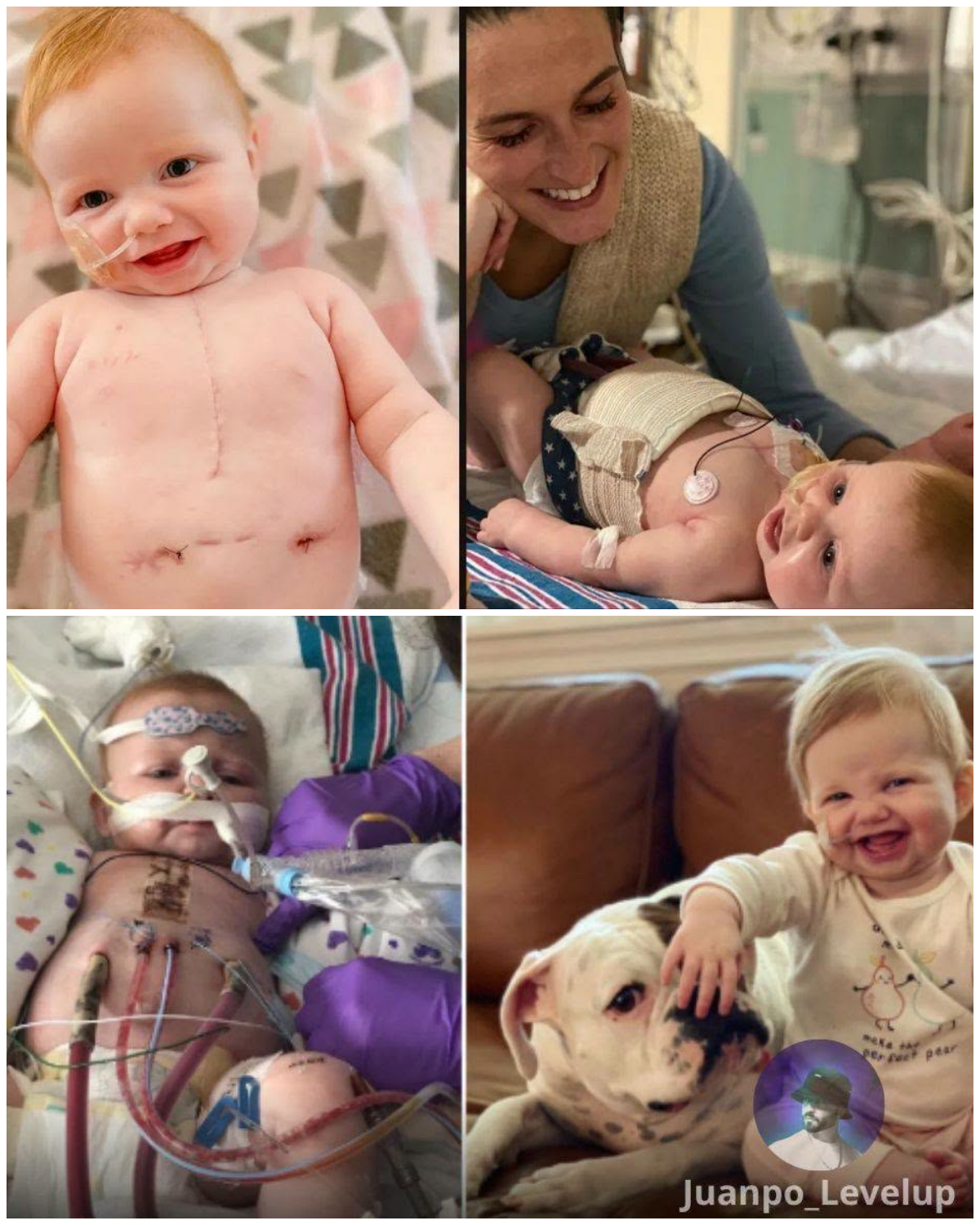
Modern medicine, however, has dramatically improved outcomes for children receiving heart transplants. Pediatric recipients can sometimes return to active childhoods after transplantation, although lifelong medical monitoring and anti-rejection treatment are generally required. Medical centers continue to report children recovering successfully after these life-saving procedures.
There are also documented cases of people surviving multiple heart transplants. For example, Nathan Poulsen, who died in 2019 at age 26, had survived three heart transplants during his lifetime. Another documented patient, Kennedy, received her third heart transplant at age 17 after having received her first transplant as a baby.
However, I could not find a reliable medical, hospital, academic, or major news source confirming that a British child named Adelina became “the first baby in the world to survive and thrive after three consecutive heart transplants.” The available evidence therefore does not support presenting that specific claim as an established medical fact.
What is certain is that every successful pediatric transplant represents an extraordinary combination of medical expertise, organ donation, intensive postoperative care, and family resilience. Behind every donor heart is also a family that made an incredibly difficult decision to give another child the possibility of life.
Whether or not every detail of the viral “Adelina” story can be independently verified, the broader message remains powerful: advances in pediatric transplantation have transformed conditions that were once considered almost universally fatal, giving children with severe heart disease opportunities to grow, play, learn and experience childhood.
For families facing congenital heart disease, these advances offer something precious—not a guarantee, but hope.