Dignity at the Table: A Family, a Restaurant, and How a Child Eats
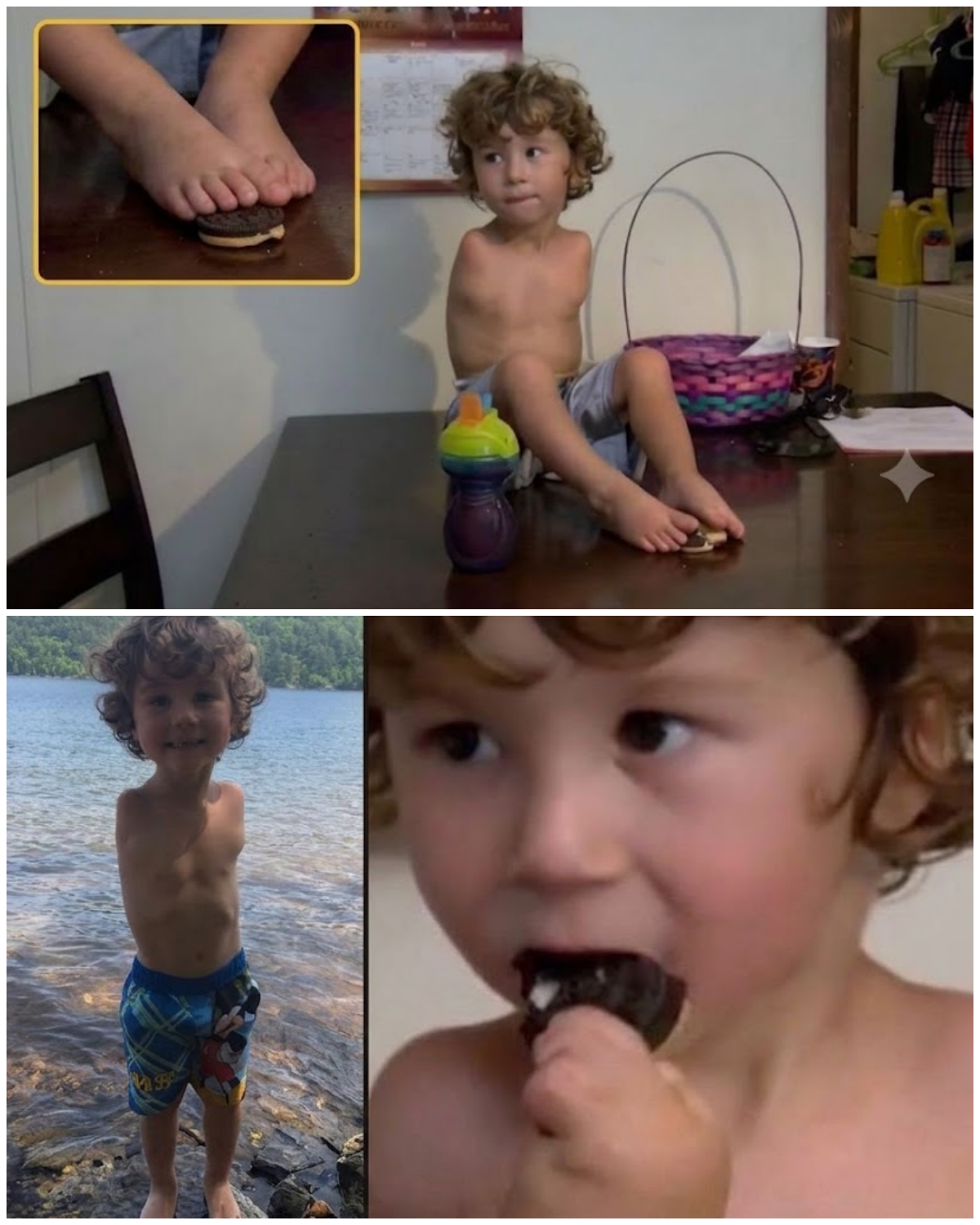
William Bancroft was three years old when his family took him to an IHOP in Hot Springs, Arkansas, because he wanted pancakes. Born without arms, he had learned to eat, drink, and handle objects with his feet. At home that often meant sitting on the table so he could reach his food. His mother, Alexis, said she carried him in, took him to the restroom, and washed his feet before they sat down.
A manager approached the table. According to the family, the concern was framed as a health-department issue: a child should not sit on the dining surface, and feet should not touch shared syrup dispensers. Alexis asked whether every guest was asked if they had washed their hands before using the same containers. Words were exchanged. Other diners noticed. The family left without eating and without paying for the drinks they had ordered.
Alexis posted about the visit on Facebook. The post spread quickly. She described it as the first time her son had been treated this way in public because of how he eats. Servers later messaged that they were ashamed. The manager contacted her and said the encounter had been a misunderstanding and was not meant as hostility toward the child. IHOP’s corporate response offered an apology. The manager was placed on leave, and the franchise said staff would be retrained, including on serving guests with disabilities.
The episode sat at a real tension. Restaurants must keep shared surfaces and condiment stations reasonably clean. A toddler who uses his feet as hands does not fit the usual picture of “hands only.” Sitting on the table is also outside ordinary dining-room practice. At the same time, for William those adaptations were not a stunt; they were how he fed himself. Treating feet as automatically unsanitary while assuming hands are clean is an inconsistent standard, which is the point his mother raised.
Congenital absence of the arms is uncommon. Children who grow up that way typically develop high skill with their feet. Families often work hard to make that skill look ordinary—washing first, then eating—so the child can participate in public life rather than stay home. When a policy collides with that reality, the result can feel like exclusion even if the staff member believes they are only enforcing hygiene.
The corporate apology and promised training did not rewrite the morning. They did acknowledge that disability accommodation is part of service, not an exception to be improvised at the table. William’s story, like others of children who eat with their feet, is less about a single restaurant than about whether public spaces can make room for bodies that work differently without turning a breakfast into a confrontation.
Sources
Contemporary reporting on the May 2018 Hot Springs IHOP incident (Newsweek, Metro, The Mirror, NBC, local Arkansas outlets)
Public statements attributed to Alexis Bancroft and IHOP following the family’s account
Coverage of the manager’s leave and the franchise’s pledge to retrain staff