BREAKING: Zarutska Family Files Wrongful-Death Lawsuit as New Audit Exposes Charlotte Transit Security Gaps

BREAKING: Zarutska Family Files Wrongful-Death Lawsuit as New Audit Exposes Charlotte Transit Security Gaps
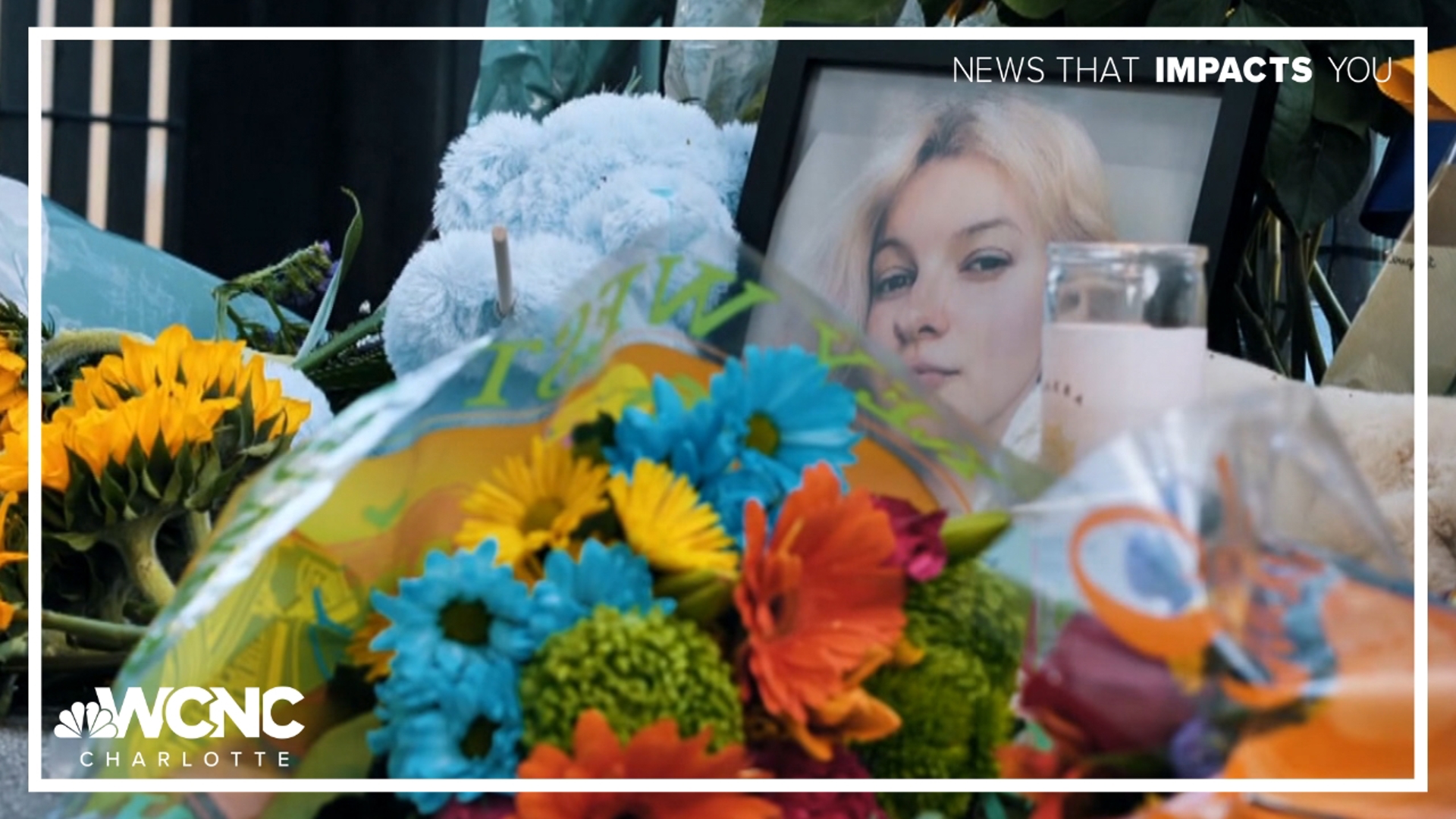
The family of Iryna Zarutska, a 23-year-old Ukrainian refugee whose life was tragically cut short aboard Charlotte’s LYNX Blue Line, has filed a wrongful-death lawsuit against the City of Charlotte and the private company responsible for transit security, putting renewed attention on serious safety concerns identified in government audits.
The lawsuit was filed on August 21, 2026, just one day before the first anniversary of Zarutska’s death. Her family is seeking accountability beyond the criminal case involving the man accused in her killing, arguing that failures within the Charlotte Area Transit System, known as CATS, contributed to an environment in which the tragedy could have been prevented. The allegations in the civil lawsuit have not yet been decided by a court. (WCCB Charlotte)
According to reporting by The Guardian, the lawsuit names the City of Charlotte and Professional Security Services, the private security contractor working with CATS. The family alleges that officials and the security company were aware of previous problems involving crime and safety around the transit system but failed to implement sufficient measures. Among the issues highlighted are fare enforcement, physical access controls, staffing levels, security deployment and passenger safety measures. (The Guardian)
The timing of the lawsuit is significant because it follows the release of a major audit examining Charlotte’s transit system.
In August 2026, the North Carolina State Auditor’s Office released findings that identified gaps involving security and fare enforcement at CATS. Reports about the audit said the system did not have turnstiles or gates that could prevent passengers without valid fares from entering certain transit areas. The audit also raised concerns about security staffing and the implementation of safety measures. (https://www.wbtv.com)

Those findings have become an important part of the public discussion surrounding Zarutska’s case.
The family’s attorney, Lauren Newton, has argued that the audit supports the family’s concerns about systemic problems within the transit system. In comments reported by WCCB Charlotte, Newton said the report showed that the city had failed Zarutska and that questions also remained regarding the private security contractor. (WCCB Charlotte)
One particularly important issue involves security personnel.
The lawsuit reportedly argues that the transit security operation was not adequately staffed and that security coverage was insufficient. According to reporting from Fox Carolina, the complaint alleges that Professional Security Services was budgeted for 219 security positions, including 39 armed positions, but was not fully staffed. The family is seeking both monetary and punitive damages. (https://www.foxcarolina.com)
The lawsuit also points to the absence of stronger physical controls around the transit system. Fare enforcement and physical barriers have become central issues in the aftermath of Zarutska’s death because authorities have said the man accused in the case did not have a valid ticket when he boarded the train.
The question now before the courts is not simply whether those security weaknesses existed, but whether the city and its contractor had a legal duty to address them and whether any alleged failures can be legally connected to Zarutska’s death.
That distinction will be important as the civil case moves forward.
There was also an earlier federal review of CATS safety practices. In February 2026, the Federal Transit Administration announced the results of its audit, identifying 18 areas in which CATS had failed to meet federally mandated safety requirements. The findings included problems involving risk assessment, tracking corrective actions and employee de-escalation training. (Quản Lý Vận Tải Liên Bang)
The federal audit was launched after Zarutska’s death and became another major source of scrutiny for Charlotte’s transit system.
The FTA said the review identified broader safety problems rather than focusing solely on one incident. Its findings raised questions about how CATS assessed risks, documented corrective measures and prepared employees to respond to difficult situations.
That federal report gave the controversy an additional dimension: concerns about Charlotte transit safety were no longer limited to public criticism or the aftermath of a single tragedy. Government investigators had also identified areas where the system needed improvement. (Quản Lý Vận Tải Liên Bang)
Another issue highlighted after Zarutska’s death involved surveillance and communication between transit officials and law enforcement.
WCCB reported that, at the time of the August 22, 2025 incident, the Charlotte-Mecklenburg Police Department did not have access to CATS surveillance cameras for real-time crime reporting. According to the report, that situation was corrected by October 2025. (WCCB Charlotte)
For Zarutska’s family, however, changes made after the tragedy cannot undo what happened.
Iryna had come to the United States after leaving Ukraine. She was building a new life in Charlotte, working and establishing relationships in her new community. Her family has said that she loved America and wanted to remain there. Her story attracted national attention because she had sought safety and opportunity in the United States before becoming the victim of a shocking incident while traveling home. (The Guardian)
The criminal proceedings and the civil lawsuit are separate matters.
The man accused in Zarutska’s death, Decarlos Brown Jr., faces criminal charges, while the wrongful-death lawsuit focuses on alleged negligence by the city and the private security company. WRAL reported that a judge ruled in June 2026 that Brown was incompetent to stand trial because of mental illness. (WRAL News)
The civil lawsuit therefore gives Zarutska’s family another legal avenue to seek answers.
It also places Charlotte’s transit policies under a microscope at a time when cities across the United States are debating how public transportation should balance accessibility, security, staffing and passenger rights.
For Charlotte, the case could become much larger than a dispute over financial compensation. The family’s attorney has indicated that the goal is also to encourage meaningful changes to the transit system so that future passengers can feel safer.
The lawsuit will now have to move through the legal process, where the allegations will be tested and the defendants will have opportunities to respond. The City of Charlotte has declined to comment on active litigation, while reports said the security company had not immediately responded to requests for comment. (WCCB Charlotte)
One year after Iryna Zarutska’s death, the questions surrounding her case remain deeply painful but increasingly focused on accountability: Were the warning signs visible, were adequate safety measures available, and were enough steps taken to protect passengers?
Those questions are now moving from public debate into the courtroom.
International / Foreign Sources
- The Guardian – Iryna Zarutska’s family sues North Carolina city
- Federal Transit Administration – Charlotte Transit System Safety Audit
- WCCB Charlotte – Zarutska family lawsuit and transit safety gaps
- WRAL – Lawsuit and continuing Charlotte transit safety concerns