Two Beds Instead of One: How Ally and El Were Separated
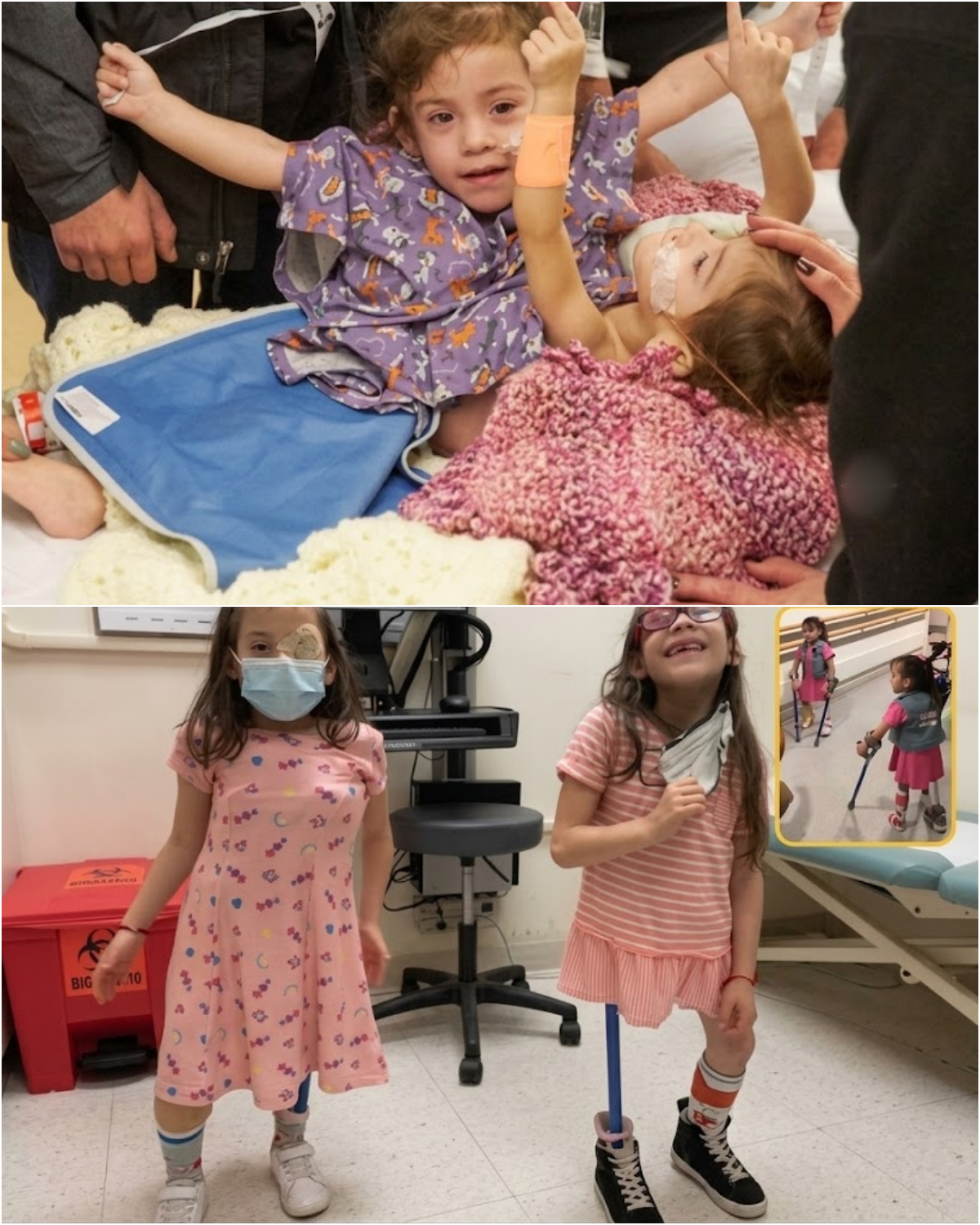
Ally and El arrived at Seattle Children’s Hospital in the autumn of 2024 still joined at the abdomen and pelvis. Ischiopagus twins share a pelvic ring and, often, the end of the gut, the bladder and parts of the reproductive tract. Each girl had her own head, chest and heart; the problem was the architecture below the waist. Surgeons do not rush this anatomy. They map vessels and bowel with scans, print models, and stretch skin for months with tissue expanders so that when the bodies come apart there is enough cover for two wounds instead of one raw field. A team of more than thirty people—paediatric surgery, urology, gynaecology, plastics, orthopaedics, anaesthesia—rehearsed the day.
On 28 February 2025 they operated for about eighteen hours. They divided gastrointestinal, urinary and genital structures, rebuilt two pelvic girdles and closed two children. After that the work split: two intensive-care beds, two sets of drains, two programmes of physiotherapy. The girls left hospital in late May. Movement was restricted at first. Rehabilitation, speech and feeding therapy followed them home. Later pictures show what the Spanish headline promised: two dresses, two pairs of shoes, one child with an eye shield, one learning crutches, a small inset of walking practice in a corridor. Separation does not invent two complete skeletons. Ischiopagus survivors often have one strong leg each, scoliosis, stomas or catheterisable channels, and years of orthopaedics. What it does invent is the possibility of facing different directions.
Conjoined twins are uncommon; ischiopagus twins are a minority of that minority. Successful separation depends on separate hearts and enough liver and bowel to share, on skin that can be grown in advance, and on a hospital that can field two full teams when the last bridge is cut. Ally and El met those conditions. Their parents’ relief, as one surgeon put it, was that each child got what she needed. The historic part is not magic. It is planning measured in millimetres of expander fill and hours of a single night when one patient became two.
Sources: TODAY / Seattle Children’s Hospital announcement of Ally and El’s 18-hour pelvic separation (February 2025; discharge May 2025); clinical literature on ischiopagus anatomy, tissue expansion and staged reconstruction.