🚨 UPDATE: OHIO SUPREME COURT SHUTS DOWN MACKENZIE SHIRILLA’S LATEST APPEAL — BUT HER LEGAL FIGHT MAY NOT BE OVER
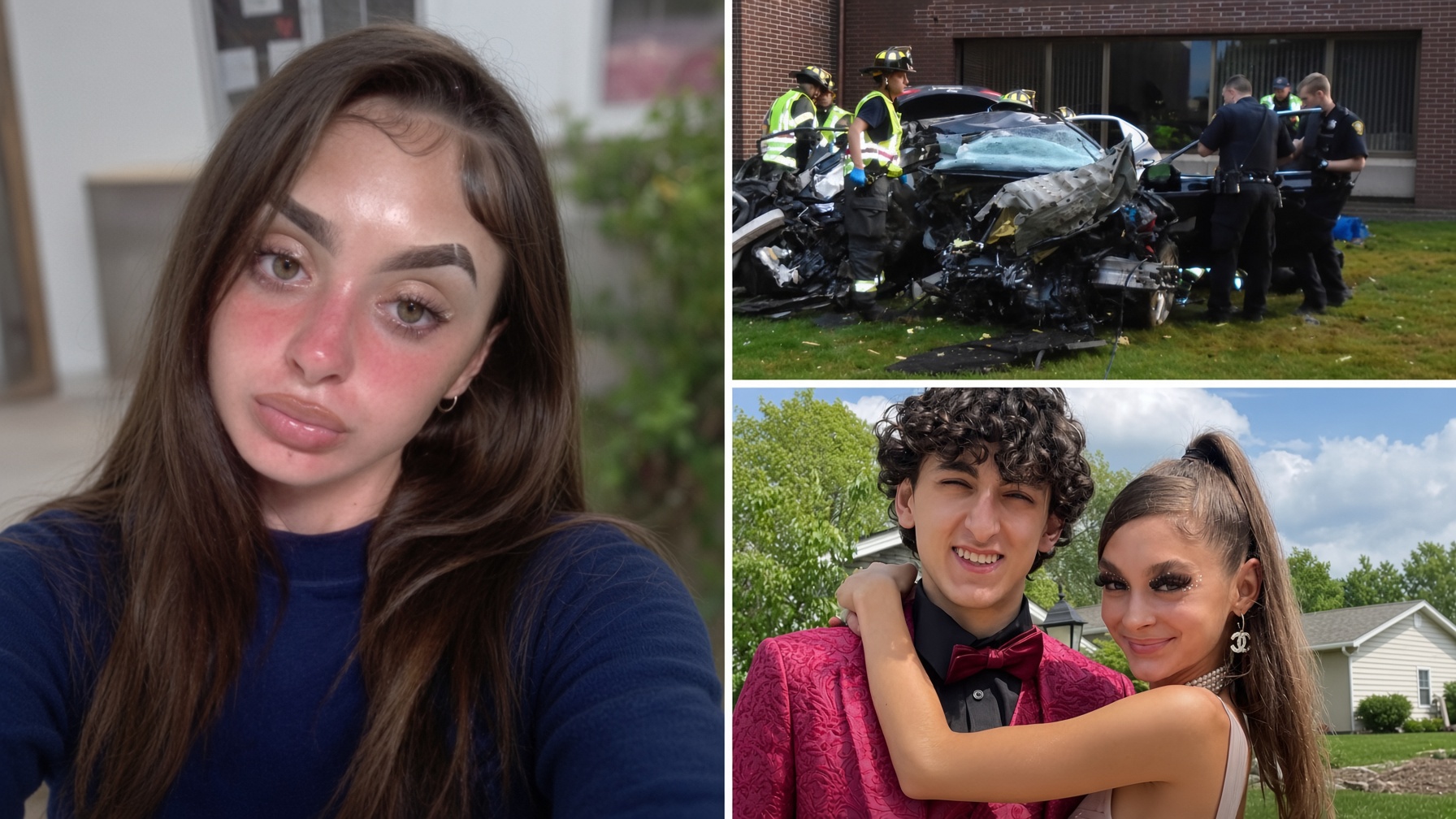
STRONGSVILLE, OHIO — Mackenzie Shirilla has suffered another major legal setback after the Ohio Supreme Court rejected her attorneys’ request to reconsider an earlier decision refusing to hear her post-conviction appeal.
The ruling keeps in place the lower courts’ decisions that dismissed her post-conviction petition as untimely.
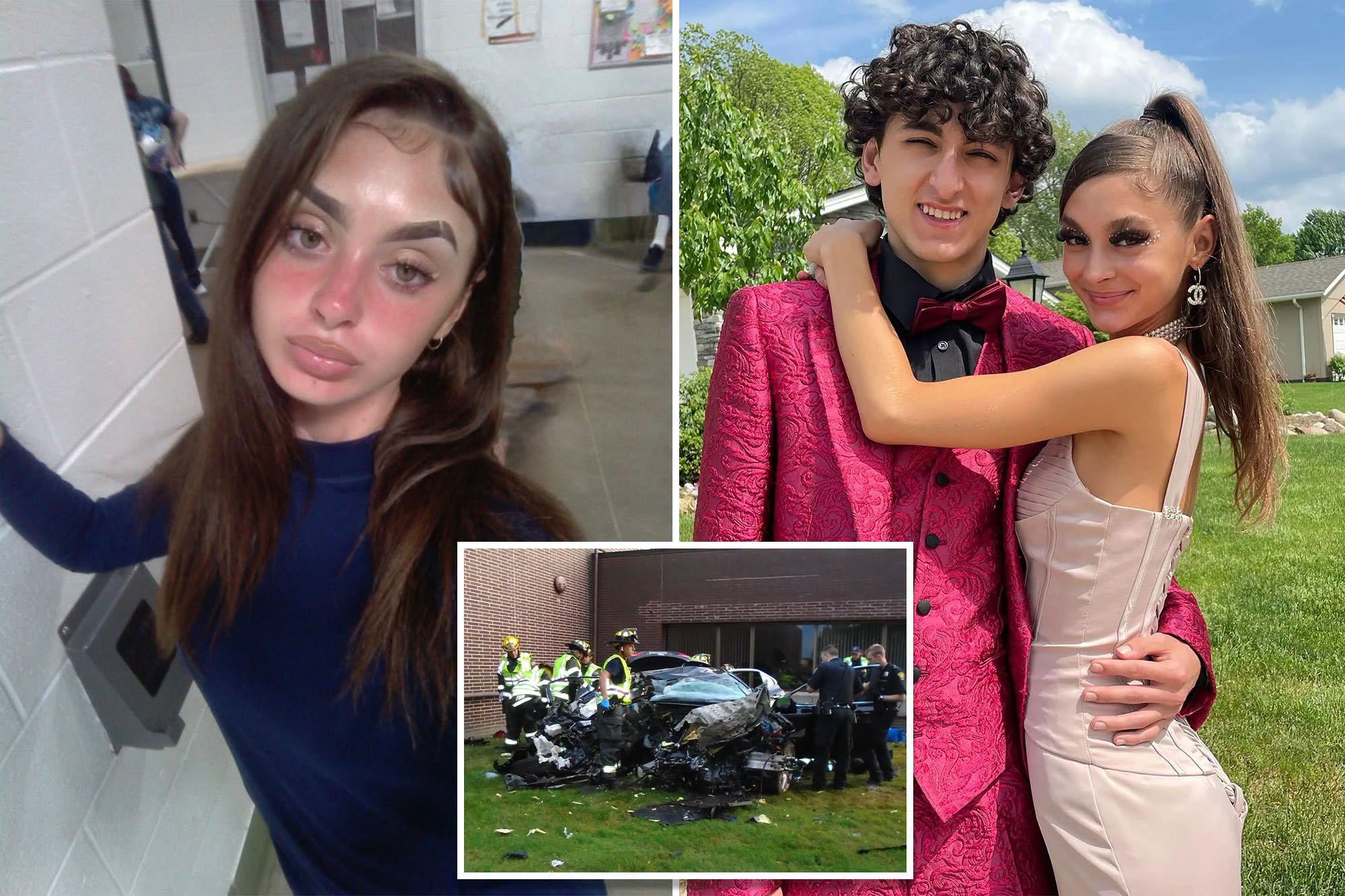
Shirilla, now 21, is serving two concurrent sentences of 15 years to life for the deaths of her boyfriend, Dominic Russo, 20, and their friend, Davion Flanagan, 19.
But while the latest decision closes another path through Ohio’s state courts, it does not erase the arguments Shirilla’s lawyers have continued to raise about her original trial.
⚖️ THE SUPREME COURT’S LATEST DECISION
The Ohio Supreme Court initially declined to accept Shirilla’s appeal on June 23, 2026.
Her attorneys then asked the court to reconsider that decision, arguing that the case raised important constitutional questions and that the deadline for filing her post-conviction petition had been wrongly calculated.
On the latest request, the court again refused to intervene.
Chief Justice Sharon Kennedy signed the order denying reconsideration. Justices Patrick DeWine and Jennifer Brunner dissented, meaning they disagreed with denying the request.
The court did not issue a lengthy opinion explaining the latest denial.
📅 A ONE-DAY DEADLINE BECAME A MAJOR LEGAL BARRIER
At the center of Shirilla’s latest legal effort is an unusually technical issue: when Ohio’s 365-day deadline for filing a post-conviction petition began to run.
Her petition was ultimately treated as being filed one day late.
The Eighth District Court of Appeals upheld the dismissal in March 2026, concluding that the trial court correctly treated the petition as untimely. The Ohio Supreme Court later declined to review that decision, leaving it intact.
Shirilla’s lawyers argued that the deadline calculation was affected by confusion involving the filing of the trial transcript and the timing of a later transcript from juvenile proceedings.
They also pointed to the 2024 leap year as part of their argument over how the deadline should have been calculated. The courts rejected the effort to excuse the late filing.
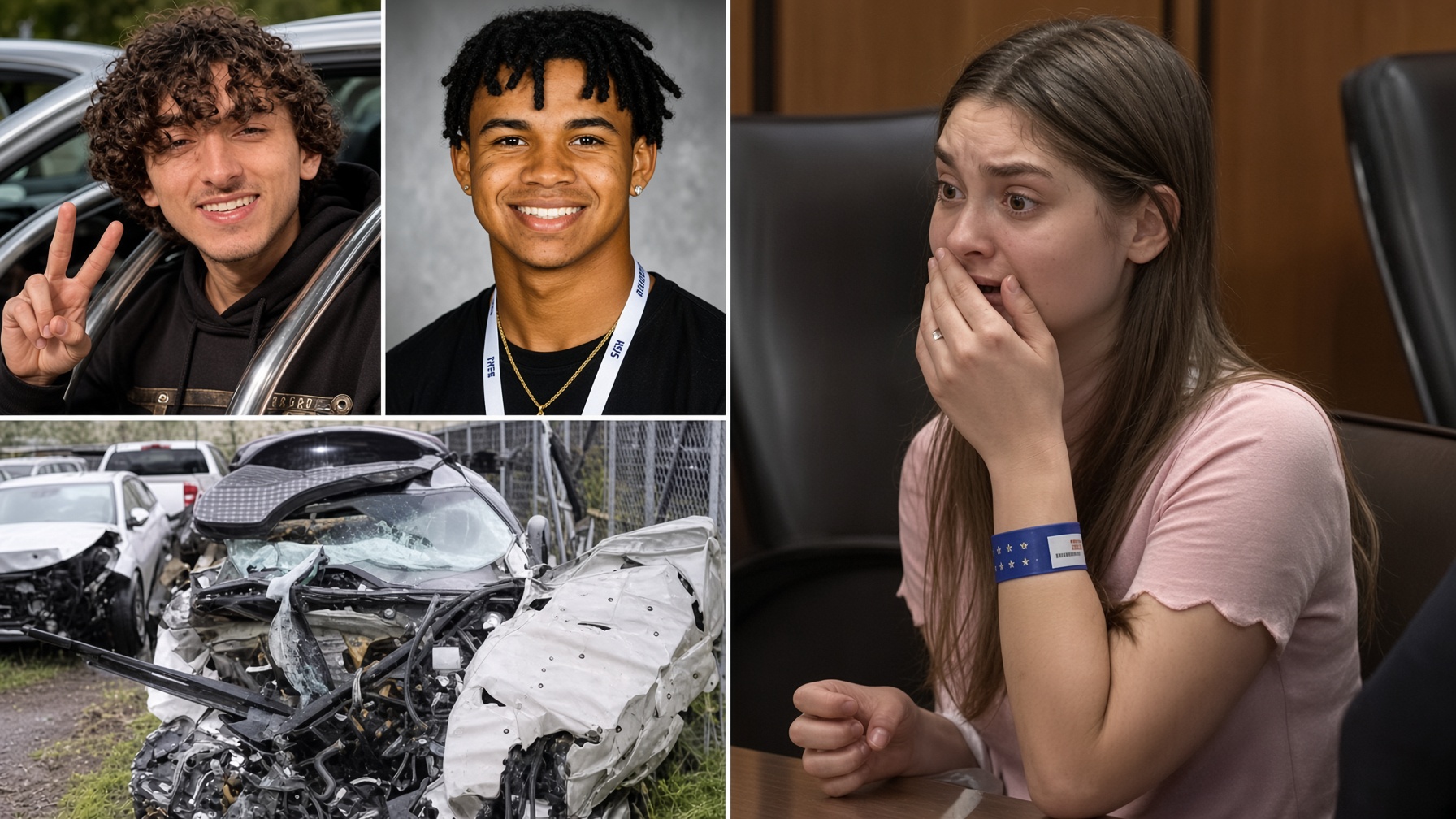
🧠 HER ATTORNEYS SAY MEDICAL EVIDENCE COULD HAVE CHANGED THE CASE
The procedural dispute matters because the petition was designed to raise a much bigger claim.
Shirilla’s lawyers argue that her trial attorney failed to adequately investigate evidence involving Postural Orthostatic Tachycardia Syndrome, or POTS, a condition that can cause fainting or loss of consciousness.
In filings submitted to the Ohio Supreme Court, her defense argued that medical evidence potentially supporting a blackout theory was not adequately investigated or presented at trial.
According to the defense, that evidence could have supported an argument that Shirilla lost consciousness before the crash rather than deliberately causing it.
The courts, however, have not ruled that the medical evidence proves she blacked out.
Instead, the latest proceedings have largely focused on whether her post-conviction petition was filed on time and whether the courts had authority to consider it.
💥 THE CRASH THAT CHANGED EVERYTHING
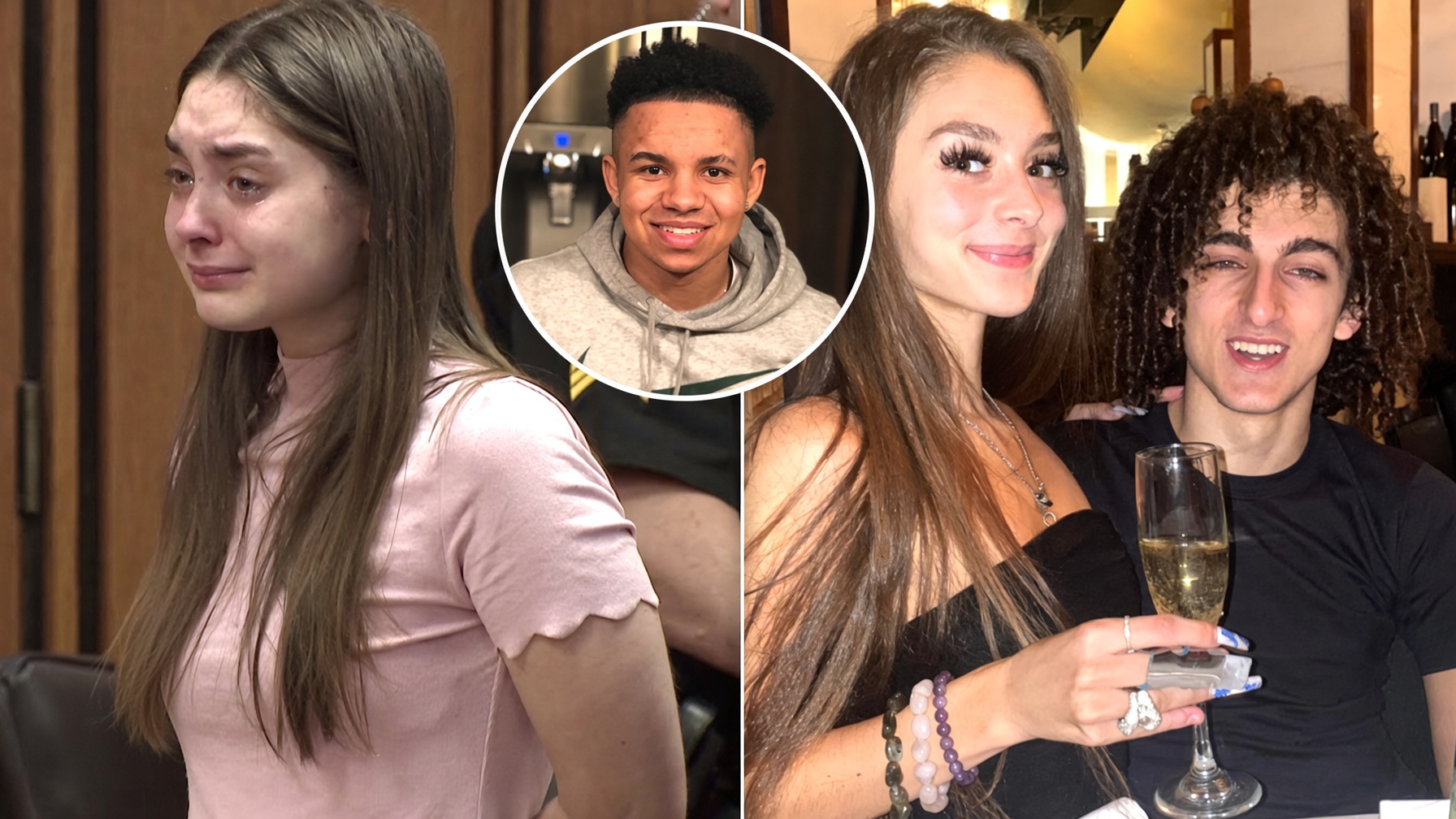
The underlying case dates to July 31, 2022, when Shirilla was 17.
She was driving a Toyota Camry carrying Russo and Flanagan when the vehicle traveled at extremely high speed and crashed into a brick building in Strongsville.
Both passengers died. Shirilla survived.
Investigators later argued the crash was intentional, pointing to evidence including vehicle data, surveillance footage and the absence of braking before impact. The prosecution’s case ultimately persuaded a judge that the deaths were the result of deliberate actions rather than an accident.
Shirilla has maintained that there was no intent to kill.
🚗 WHY THE ORIGINAL CONVICTION WAS SO CONTROVERSIAL
The trial became a battle over what happened in the final moments before the crash.
Prosecutors argued that Shirilla deliberately accelerated to nearly 100 mph and drove into the building.
The defense disputed that interpretation and has continued to argue that important medical and other evidence was not properly developed.
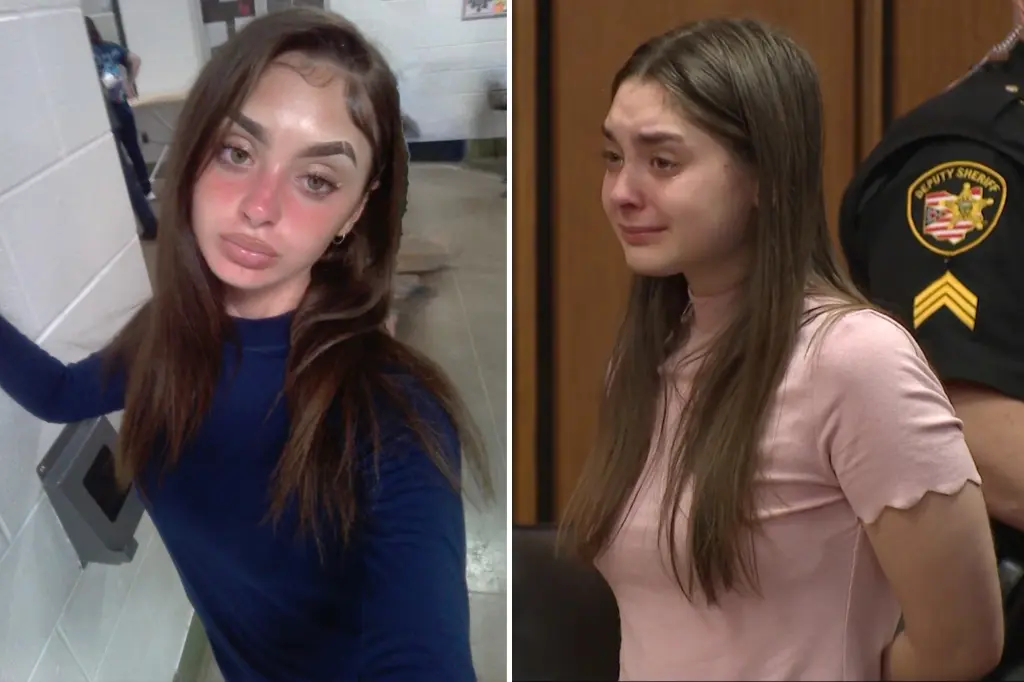
After her conviction in August 2023, Shirilla was sentenced to two concurrent terms of 15 years to life in prison. Her first parole hearing is scheduled for September 2037.
🎬 NETFLIX BROUGHT THE CASE BACK INTO THE SPOTLIGHT
The legal fight gained renewed national attention this year after Netflix released “The Crash,” a documentary examining the Strongsville collision and the murder case that followed.
The documentary includes interviews with Russo and Flanagan’s families, investigators, lawyers and, for the first time publicly, Shirilla herself.
In the film, Shirilla rejects the idea that she intentionally caused the crash and says she has overwhelming remorse for the deaths. Netflix also highlighted the continuing efforts by her family and legal team to challenge the conviction.
The Strongsville Police Department also released approximately 32,000 text messages and recorded jail calls from the case in May, bringing additional material into the public discussion.
🚨 HER STATE APPEALS ARE NOW EFFECTIVELY EXHAUSTED
The newest ruling is significant because it appears to end Shirilla’s current effort to revive the post-conviction petition through Ohio’s state court system.
But that does not necessarily mean every possible legal avenue has disappeared.
Reports indicate Shirilla has also pursued a separate federal challenge to her conviction. That proceeding is distinct from the state appeal rejected by the Ohio Supreme Court.
So while her latest state-court setback is substantial, the broader legal battle may not yet be completely finished.
⏳ A CONVICTION THAT STILL DIVIDES PEOPLE
Three years after her conviction, the central question remains the same:
Was the July 2022 crash an intentional act, as prosecutors argued and the court found, or did an accident or medical event cause the loss of control?
The Ohio Supreme Court’s latest ruling does not answer that factual question.
Instead, it leaves Shirilla’s conviction and sentence intact because her post-conviction challenge was not accepted for review.
For the families of Dominic Russo and Davion Flanagan, the legal system’s latest decision means the convictions remain in place.
For Shirilla, meanwhile, the fight to challenge the judgment has become much narrower — but her attorneys continue to argue that evidence surrounding her medical condition and the handling of her original defense deserved a closer look.
For now, she remains in prison, serving 15 years to life.
Sources:
Fox News — Ohio Supreme Court denies Mackenzie Shirilla’s latest appeal bid in double murder case