When a Child’s Face Needs More Than One Kind of Surgeon
When a Child’s Face Needs More Than One Kind of Surgeon
In New York City, highly specialised medical teams and charitable organisations have made it possible for children with severe facial differences, tumours and other complex conditions to receive advanced reconstructive care that might otherwise be beyond their families’ reach.
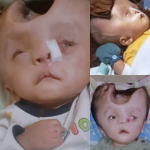
Organisations such as the Little Baby Face Foundation have developed programmes that bring children in need to New York for comprehensive treatment. Their medical teams include volunteer surgeons and specialists who evaluate each case individually and create personalised treatment plans for children with congenital conditions, injuries, illnesses and facial abnormalities.
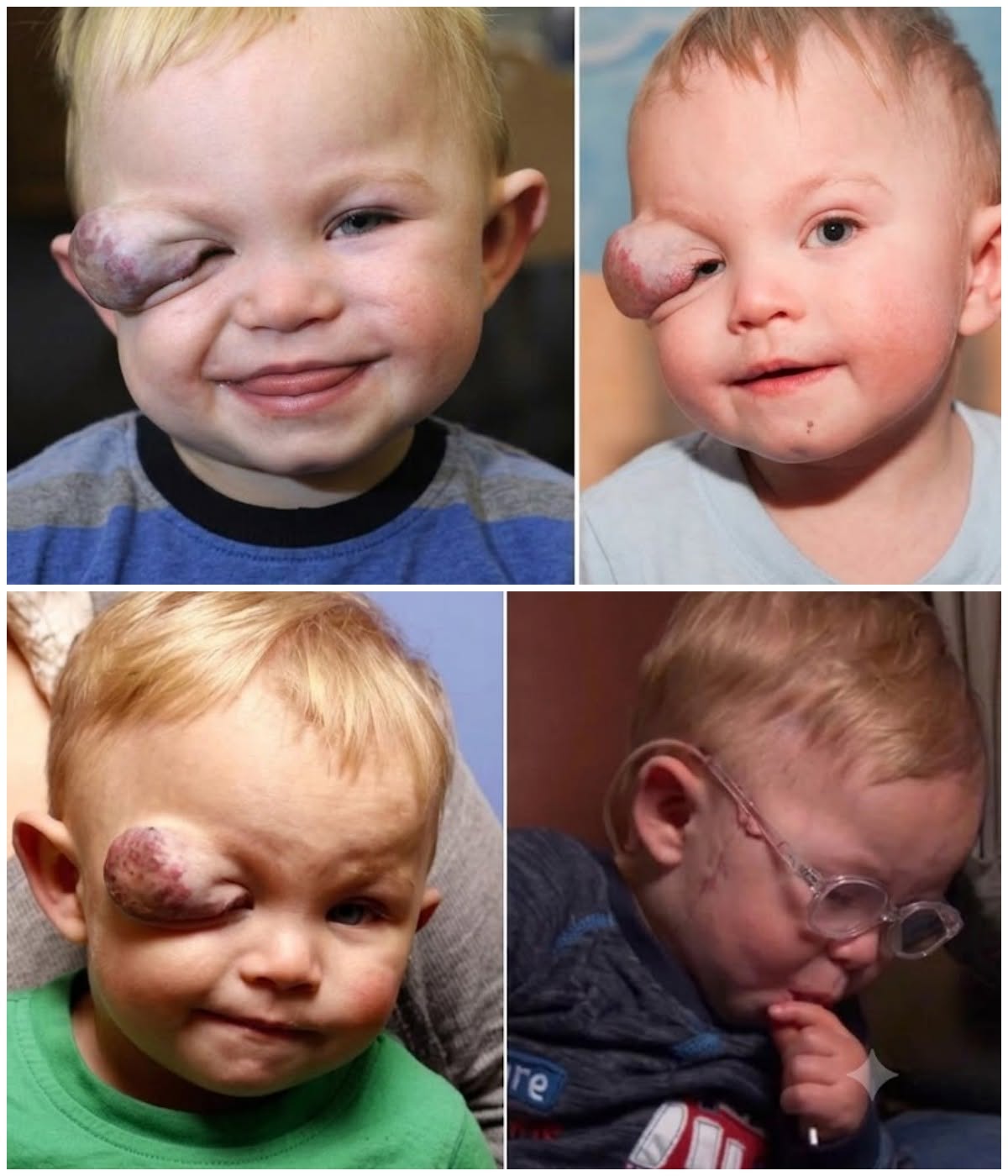
Some of the most challenging cases involve tumours or abnormal growths affecting delicate areas of the face, including the eye socket and surrounding structures. These procedures can require close cooperation between paediatric surgeons, craniofacial specialists, ophthalmic surgeons, anaesthesiologists and reconstructive experts.
New York’s major paediatric and craniofacial centres specialise in treating tumours and abnormal facial growths through multidisciplinary care. Advanced planning techniques, including detailed imaging and virtual surgical planning, can help surgeons prepare for highly complex procedures involving the face and skull.
The goal of such surgery extends far beyond appearance.
When a rapidly growing mass threatens the structures surrounding a child’s eye, surgeons must work with extraordinary precision to remove diseased tissue while protecting critical nerves, blood vessels, muscles and organs. Preserving vision and maintaining important facial functions can be among the most important priorities.
Facial and orbital reconstructive specialists in New York regularly treat complex tumours involving the eyelids, eye socket and surrounding facial structures, combining tumour treatment with reconstructive techniques when necessary.
Charitable surgical programmes have also played an important role in expanding access to this type of care. Volunteer surgeons donate their time so that accepted families can receive treatment without surgical fees, while partner hospitals and housing programmes help cover the remaining costs of travel and recovery.
Behind every successful operation is an extraordinary combination of science, technology, experience and human compassion.
For a child facing a serious facial condition, successful treatment can mean much more than surviving surgery. It can protect essential functions, support healthy development, and give the child the opportunity to return to the simple joys of childhood — playing, learning, growing and facing the future with hope.
Stories like these are powerful reminders that modern medicine is not only about sophisticated technology or surgical skill. It is also about solidarity: specialists choosing to share their knowledge and abilities to help children whose futures may depend on access to highly complex care.
Sources: Little Baby Face Foundation; Northwell Health / Lenox Hill Hospital; NYU Langone / myFace; Columbia Surgery Craniofacial Center. Reporting on volunteer reconstructive care for children in New York.