Nearly 20 Years Later, Is the Madeleine McCann Case Finally Moving Toward an Answer?
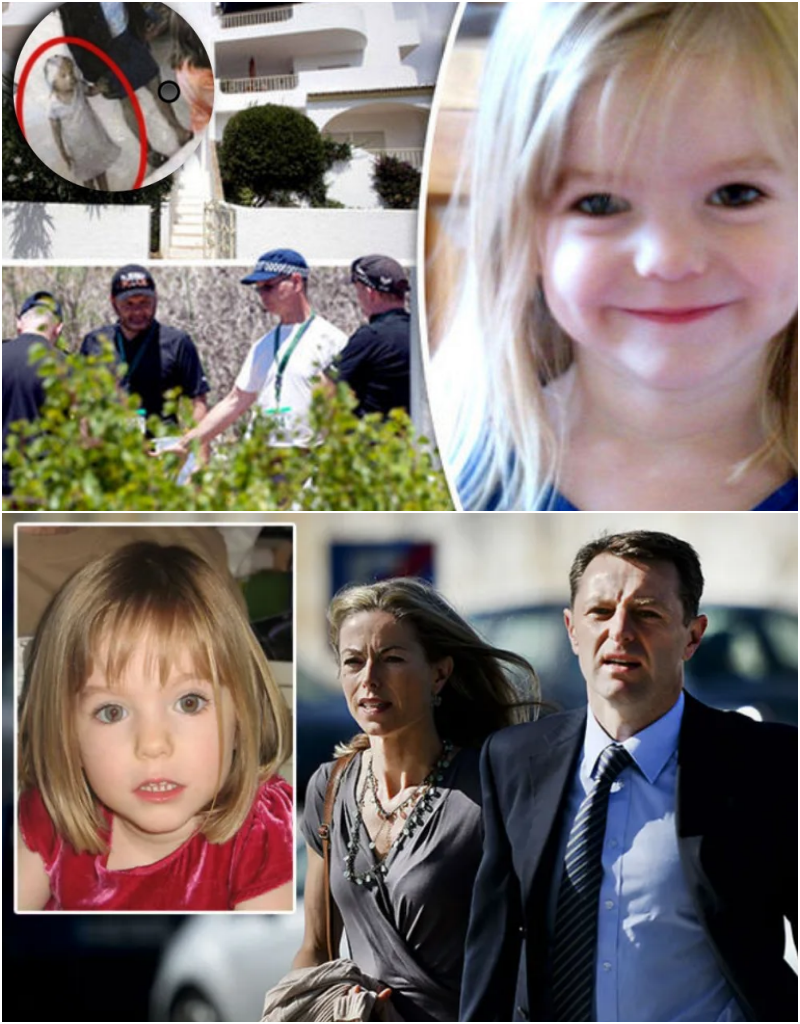
Nearly two decades after three-year-old Madeleine McCann disappeared from a holiday apartment in Praia da Luz, Portugal, the case remains unresolved. But in 2026, investigators have once again placed Christian Brückner at the center of renewed attention, while a new dossier reportedly containing photographs and other information has been passed to Scotland Yard. The development has raised an increasingly urgent question: could one of the world’s most famous missing-person investigations finally be approaching a decisive moment?
Madeleine disappeared on May 3, 2007, while on holiday with her parents and her younger twin siblings. Her parents were dining with friends at a nearby restaurant when Madeleine was discovered missing from the family’s apartment. Despite an enormous international investigation, repeated searches and years of public appeals, Madeleine has never been found.
The Metropolitan Police became formally involved through Operation Grange in 2011. What began as an investigative review eventually became an ongoing investigation in 2013. According to the Met, officers continue to work with law-enforcement authorities in Portugal and Germany, and the British government continues to fund the operation.
The most significant recent development emerged in July 2026, when reports said German authorities had provided Scotland Yard with a dossier described as potentially crucial to the investigation. According to The Portugal News, British authorities received files said to focus on Brückner and containing photographs and accounts connected with the case. However, the precise contents of those materials have not been publicly released, and British police have not publicly confirmed that the dossier constitutes a breakthrough.
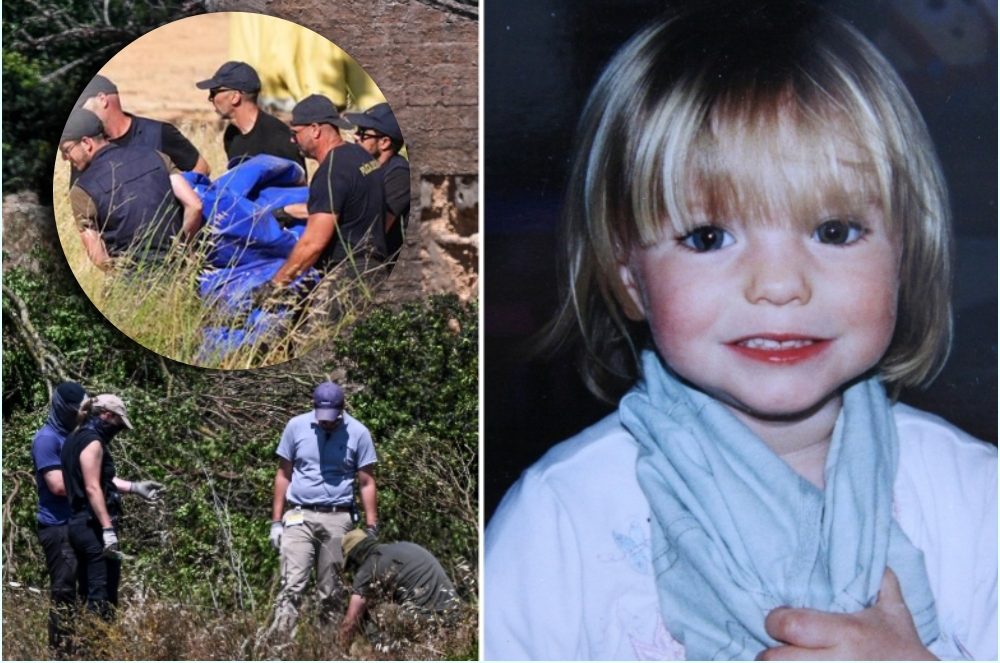
That distinction matters. After almost 20 years, the disappearance has generated countless claims, theories and alleged discoveries. But investigators still need evidence that can withstand legal scrutiny. A document described in media reports as important is not the same thing as evidence that has been independently established in court.
Brückner has been a central suspect since German authorities publicly identified him in 2020. Portuguese authorities subsequently confirmed that an official suspect had been identified. Yet Brückner has never been charged in connection with Madeleine’s disappearance and has consistently denied involvement. As recently as 2026, reporting continued to describe him as a suspect rather than a defendant in a Madeleine prosecution.
The legal situation surrounding Brückner has also become more complicated. In October 2024, a German court acquitted him of several sexual offences allegedly committed in Portugal between 2000 and 2017. Prosecutors appealed that decision, and Germany’s highest court has scheduled an appeal hearing for January 11, 2027, in Leipzig. That proceeding concerns the unrelated sexual-offence cases, not a trial over Madeleine’s disappearance.
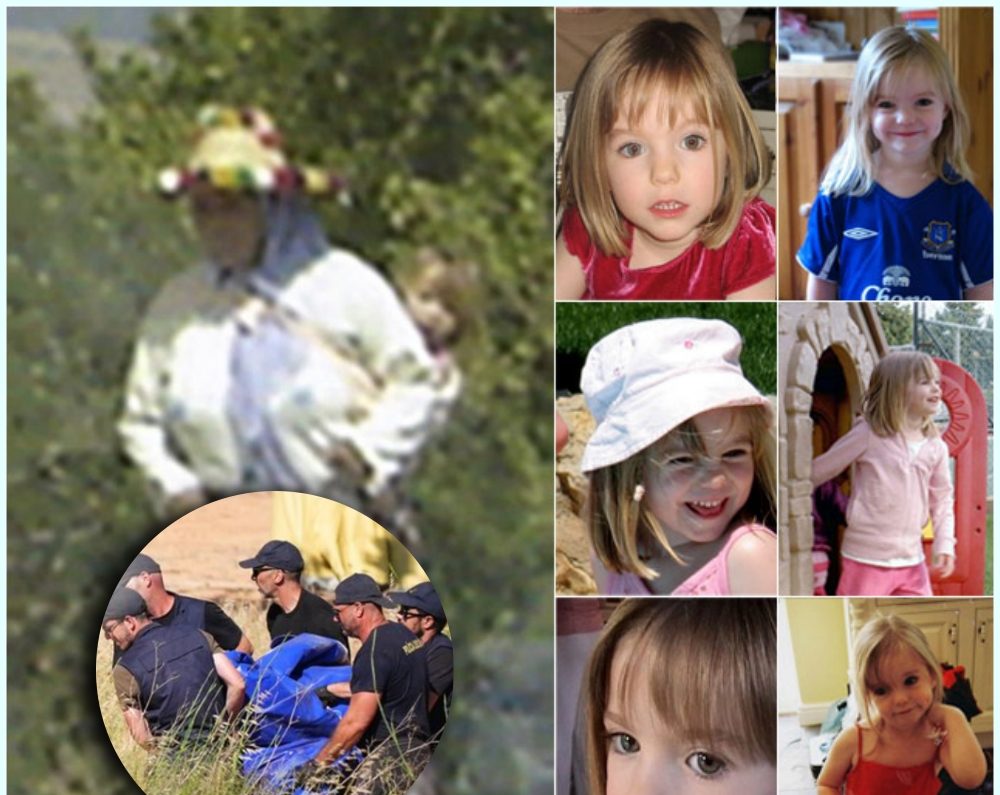
Nevertheless, the hearing could become significant because it places Brückner back into the German judicial spotlight. If prosecutors succeed in overturning the acquittal, the consequences for Brückner could be substantial. But it would still not automatically establish his involvement in Madeleine’s disappearance.
For British investigators, the larger challenge is even more difficult. Scotland Yard reportedly wants to explore whether Brückner could eventually face proceedings in Britain, but extradition and jurisdictional issues complicate any such move. Reports in May 2026 said British detectives were examining the possibility of bringing him to the United Kingdom if the evidence became strong enough.
The disappearance also continues to carry an enormous emotional cost for Madeleine’s family. Every new report, search or alleged piece of evidence brings renewed attention to the case, but also raises expectations that may ultimately end in disappointment. For the McCanns, the central question has never changed: where is their daughter, and what happened to her?
That question remains unanswered.
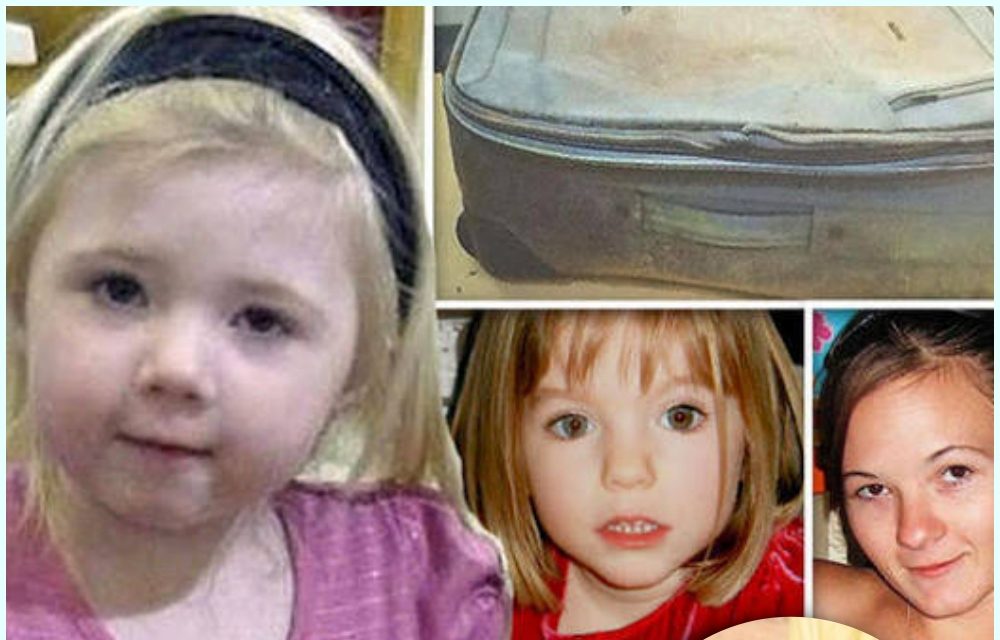
The latest developments therefore represent movement, not resolution. A new dossier has reportedly reached Scotland Yard. German authorities continue to pursue their case against Brückner. British detectives remain involved. And a major German legal hearing is approaching.
But there is still no confirmed discovery of Madeleine, no charge against Brückner in relation to her disappearance, and no courtroom verdict establishing what happened on the night of May 3, 2007.
The next stage could be decisive—or it could become another chapter in a case that has repeatedly appeared close to a breakthrough without reaching one.
For now, the mystery remains.
And after nearly 20 years, the world is still waiting for the one piece of evidence that could finally transform suspicion into proof.