A New File, a Returning Suspect and a 2027 Court Battle: Where Does the Madeleine McCann Investigation Go From Here?
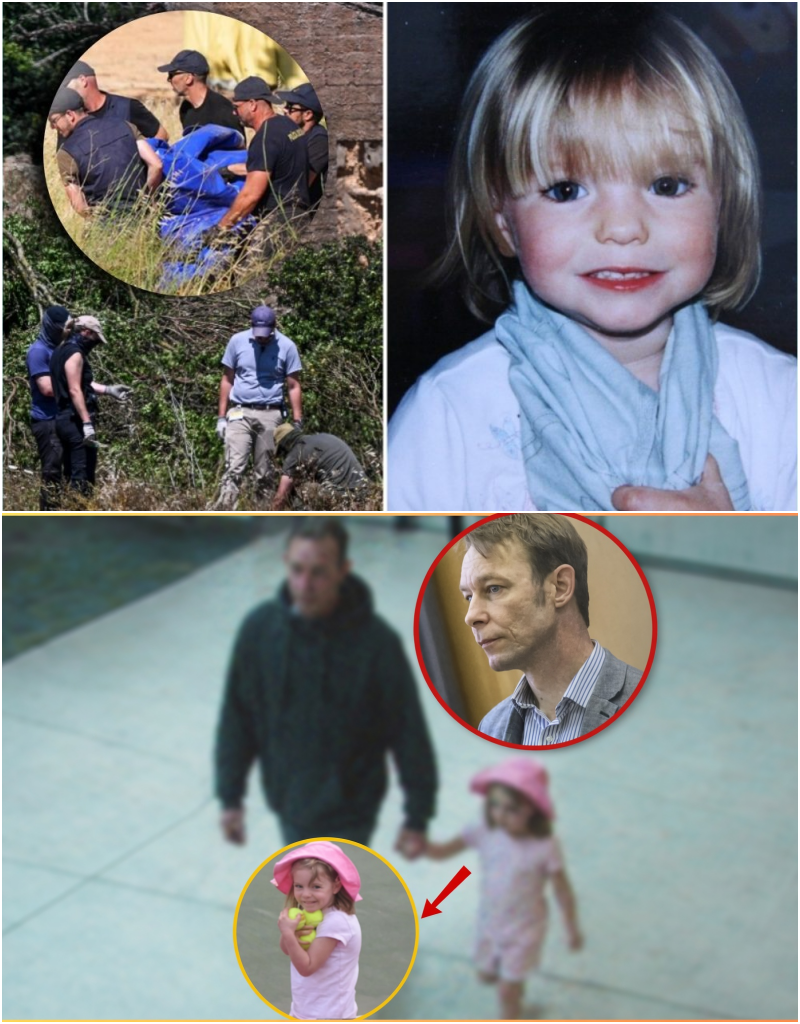
For years, the Madeleine McCann investigation appeared trapped between suspicion and uncertainty. Christian Brückner had become the central suspect identified by German authorities, yet no charge had followed. Madeleine herself remained missing, while investigators faced the enormous task of proving what happened nearly two decades ago.
Now, as 2026 moves toward its final months, several separate developments are converging.
A new dossier has reportedly been delivered to Scotland Yard. Brückner remains under investigation. British detectives are reportedly examining whether he could eventually face proceedings in the United Kingdom. And Germany’s highest court is preparing to examine an appeal involving Brückner in January 2027.
Together, these developments have revived speculation that the case could be entering a crucial phase.
The latest reported dossier was transferred from German authorities to British investigators in recent weeks. The Portugal News reported in July that the material was considered significant and included photographs and accounts connected to the investigation. The report also said German investigators believed they had material supporting their theory concerning Brückner. But there is an important limitation: the exact evidence has not been publicly disclosed, and the Metropolitan Police has not announced that the dossier solves the case.

The Met’s public position remains cautious. Operation Grange has been investigating Madeleine’s disappearance since 2011, and the force says it continues to work with police in Portugal and Germany while pursuing viable lines of inquiry. The Home Office continues to fund the operation.
That continued funding is significant because it demonstrates that British authorities have not formally closed the investigation. But an active investigation should not be confused with a solved case.
At the heart of the investigation remains Brückner.
German prosecutors have previously said they believe he was responsible for Madeleine’s disappearance and presumed death, but he has never been charged in the case. He has repeatedly denied involvement. British reporting in 2026 has continued to describe efforts to determine whether sufficient evidence exists to bring him before a British court.
The problem is that suspicion, even strong suspicion, is not enough for a criminal prosecution.
Investigators must establish a chain of evidence capable of surviving challenges from a defense team and ultimately satisfying the relevant legal standard. That challenge becomes especially difficult in a disappearance dating back to 2007, when physical evidence may have deteriorated, witnesses’ memories may have changed and potential evidence may have been lost or contaminated over time.
This is why the reported dossier could matter.
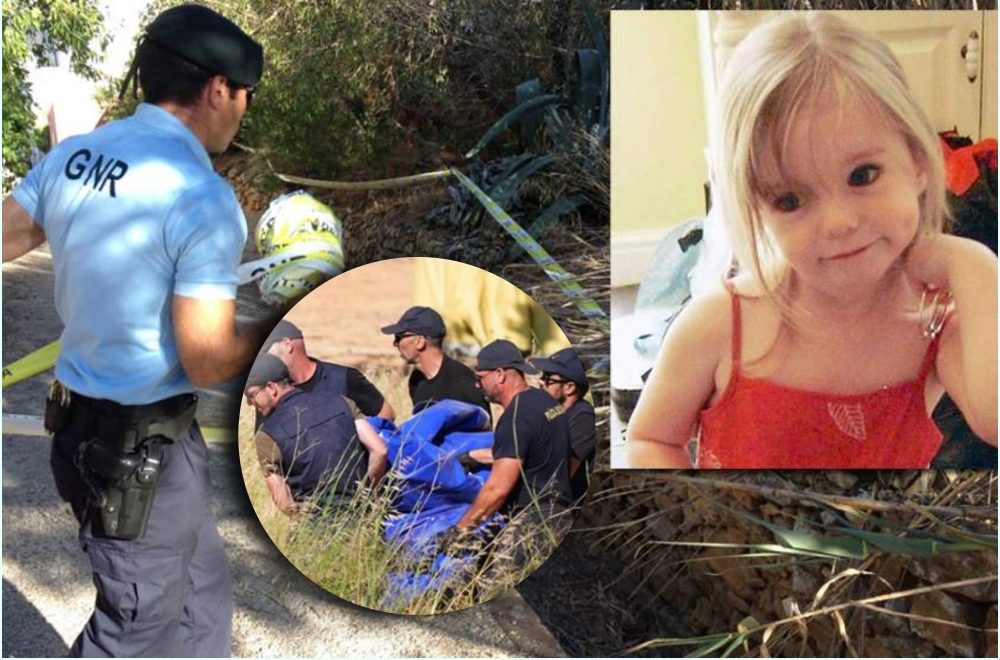
If it contains genuinely new, independently verifiable evidence, it could strengthen the existing investigation. If it merely repeats information investigators already know, its practical impact could be much smaller.
At present, the public does not know which of those two possibilities is closer to reality.
Another development is waiting in Germany.
On January 11, 2027, the Federal Court of Justice is scheduled to hear an appeal concerning Brückner’s acquittal on unrelated sexual offences. The original proceedings involved allegations dating from his years in Portugal. The appeal does not concern Madeleine directly, but the outcome could have major consequences for Brückner’s legal circumstances.
That creates a complicated timeline.
British investigators may continue gathering evidence while German prosecutors pursue their own legal strategy. Meanwhile, the Madeleine investigation remains dependent on whether authorities can establish a prosecutable case.
If Brückner were eventually charged in the Madeleine case, it would represent one of the most dramatic developments since he was publicly identified as a suspect. It could also lead to a new legal battle over jurisdiction, evidence and extradition.
But that moment has not arrived.
The greatest consequence of another failed lead would be emotional rather than legal. Every new claim creates renewed hope for Madeleine’s family and supporters. If the evidence ultimately proves insufficient, the disappointment would be enormous.
Yet the opposite is also true.
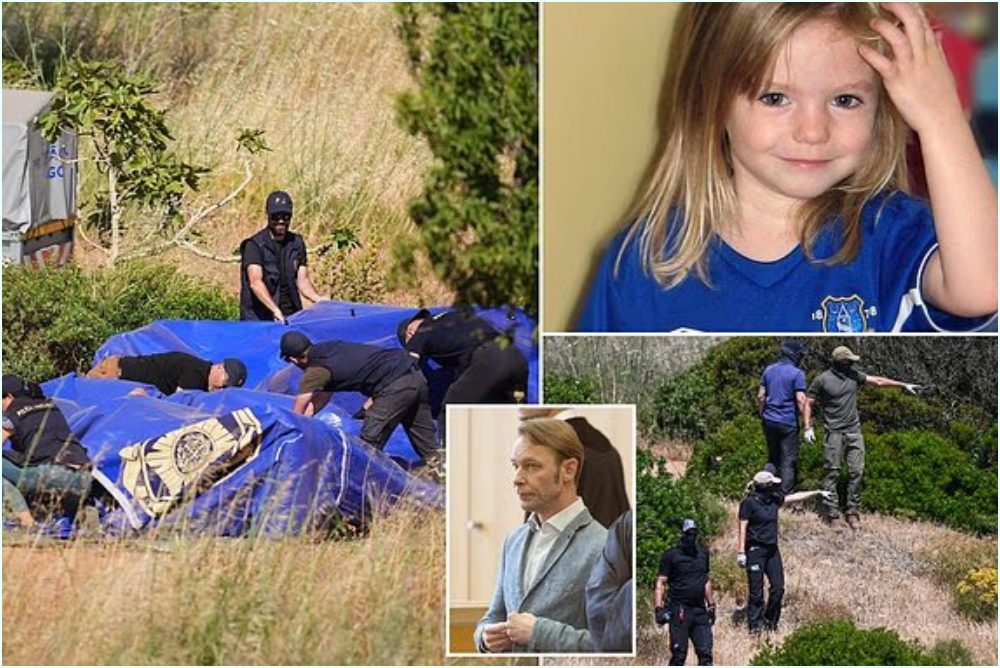
If investigators can establish a reliable connection between Brückner and Madeleine’s disappearance, the consequences would extend far beyond one suspect. It could finally provide answers about what happened on that night in Praia da Luz, potentially resolve years of speculation surrounding the case, and give Madeleine’s family something they have been waiting for since 2007: certainty.
For now, however, the investigation remains unfinished.
The new dossier may be important. The January 2027 hearing may become significant. British and German investigators may be moving closer to a legal confrontation over Brückner.
But none of these developments, individually or collectively, proves what happened to Madeleine.
The case has entered another period of intense scrutiny.
Whether this becomes the beginning of the end—or simply another false dawn—may depend on evidence that the public has not yet seen.