A $1 Million Reward, A Masked Figure and No Arrest: The Nancy Guthrie Mystery Takes a Darker Turn

More than 200 days have passed since Nancy Guthrie vanished from her Tucson-area home, yet the investigation remains without the breakthrough everyone has been waiting for.
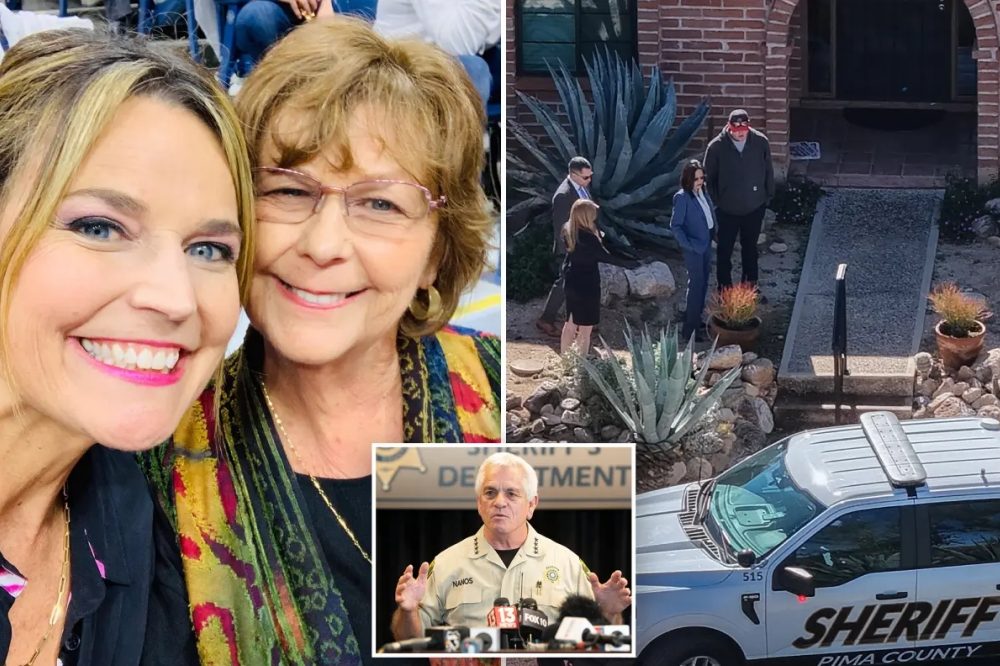
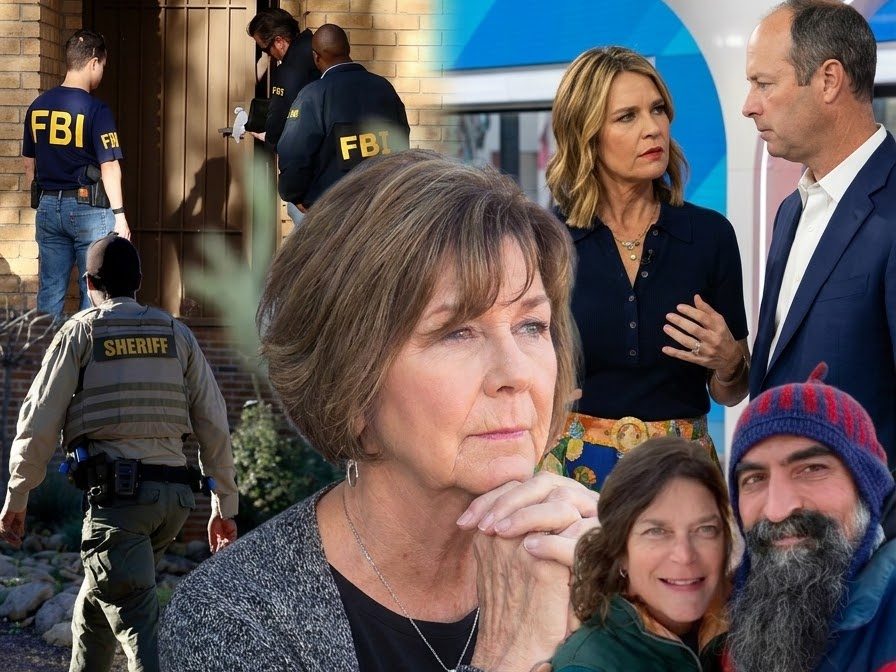
The 84-year-old disappeared from her Catalina Foothills residence around the end of January and beginning of February. Authorities have consistently treated the case as a suspected abduction, not a voluntary disappearance. The FBI and Pima County Sheriff’s Department remain involved, but as of September 4, 2026, Nancy has still not been located and no suspect has been publicly arrested in connection with her disappearance.
The passage of time has transformed what initially looked like a rapidly developing kidnapping investigation into one of the most puzzling missing-person cases of the year.
At the center of the investigation is surveillance footage showing a masked individual near Nancy’s home. The FBI has described the person as an armed individual who appeared to interfere with the camera at Nancy’s front door. Investigators have repeatedly asked the public to examine the footage and consider whether someone they know may have behaved differently after Nancy disappeared.
The footage is potentially significant because it places a suspicious individual at the residence around the critical period.
But recognizing a person in surveillance footage and proving that person committed a crime are two very different things.
That distinction has become increasingly important as the investigation has dragged into its seventh month.
The FBI has not publicly announced an arrest. Nor has law enforcement publicly named a person as the perpetrator. Instead, investigators continue to appeal for information and rely on forensic, digital and surveillance evidence to reconstruct what happened.
The reward demonstrates the seriousness of the search. The FBI’s current public notice offers up to $100,000 for information leading to Nancy’s location or to an arrest and conviction. Her family has offered an additional $1 million reward for information leading to her return.
But money has not yet produced the answer.
One of the biggest complications has been the appearance of ransom communications. In August, authorities publicly released two messages associated with the case. The first demanded $4 million in Bitcoin and included details apparently intended to convince the recipient that the sender had knowledge of Nancy’s situation. The second claimed that Nancy had died after being taken and had been buried somewhere in nature.
That second message created enormous emotional consequences.
For the Guthrie family, the possibility that Nancy may have died is horrifying. For investigators, however, a statement made in a ransom communication is not automatically proof of death.
The FBI had already determined that some kidnapping-related messages circulating in connection with the case were fake. Federal officials said in July that some communications had been dismissed as extortion attempts while the overall investigation continued as a kidnapping-for-ransom case.
That leaves investigators with a difficult problem: separating genuine evidence from deliberate attempts to create confusion.
The case has already demonstrated how easily false information can enter a high-profile investigation.
Derrick Callella, a California man who followed the story in the media, admitted that he sent fake ransom messages to members of Nancy’s family. His actions resulted in federal charges and eventually a guilty plea. On August 31, he received 10 years of probation through two concurrent five-year terms.
His sentence brought some measure of accountability for the fake communications, but it did not resolve Nancy’s disappearance.
If anything, it highlighted another danger facing investigators: the family is vulnerable not only to the pain of uncertainty but also to people attempting to exploit that uncertainty.
Then, in August, human remains were discovered in a desert area roughly 15 miles from Nancy’s home.
For a brief moment, the discovery appeared potentially significant. But authorities said there was no indication that the remains were connected to the Nancy Guthrie investigation.
Once again, the case returned to where it had been.
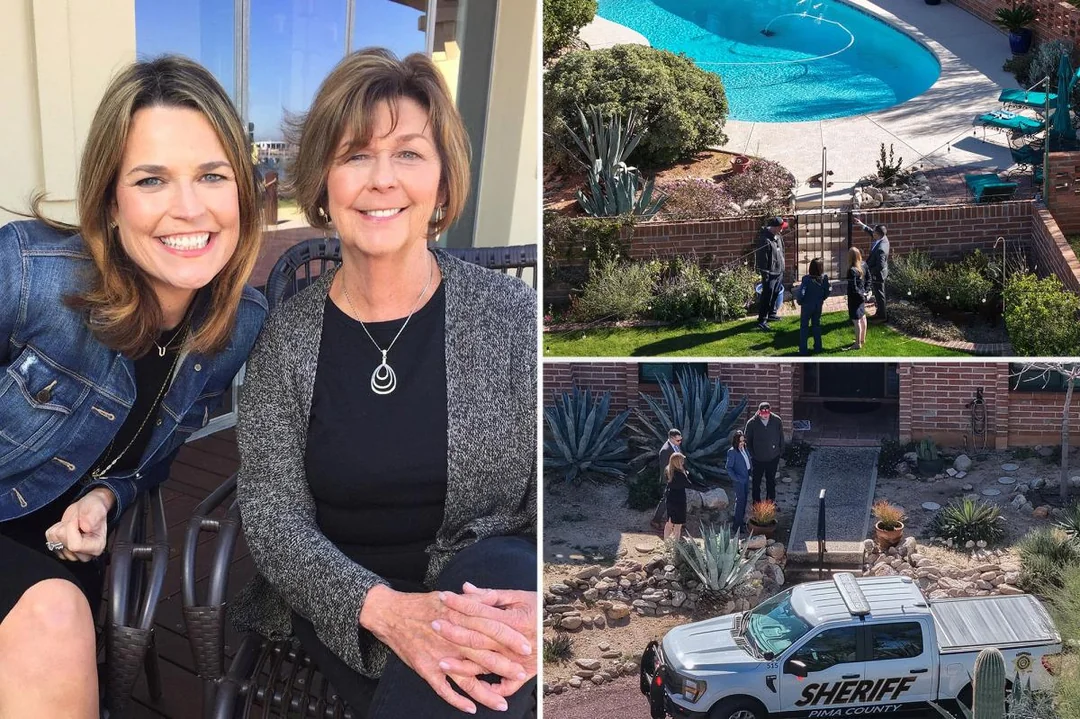
No Nancy.
No identified kidnapper.
No confirmed resolution.
Yet the investigation continues.
The question now is whether time will eventually help solve the case or make it harder.
Investigators have the advantage of technology that did not exist decades ago. Digital records, surveillance systems, DNA analysis and financial tracking can potentially reveal connections long after an incident occurs. But such tools are only useful if there is enough evidence to create a meaningful link.
Nancy’s family has continued to keep public attention on the case. Savannah Guthrie has repeatedly spoken about the emotional toll and urged anyone who knows something to come forward. Her decision to make a public appearance at the U.S. Open in August showed that life has continued despite the unresolved disappearance.
But a public appearance should not be mistaken for closure.
Behind the cameras, the central question remains the same.
What happened to Nancy Guthrie?
Was the masked figure the person responsible?
Was the disappearance truly motivated by ransom?
Who sent the genuine communications?
Who sent the fake ones?
And most importantly, where is Nancy now?
Until investigators answer those questions, the case remains one of uncertainty.
The family continues to wait.
The FBI continues to investigate.
And the possibility of a breakthrough remains open.
But with every passing month, the pressure grows to turn clues into evidence, evidence into a suspect, and a suspect into answers.