The Ransom Notes Changed Everything — But They Still Haven’t Revealed Where Nancy Guthrie Is
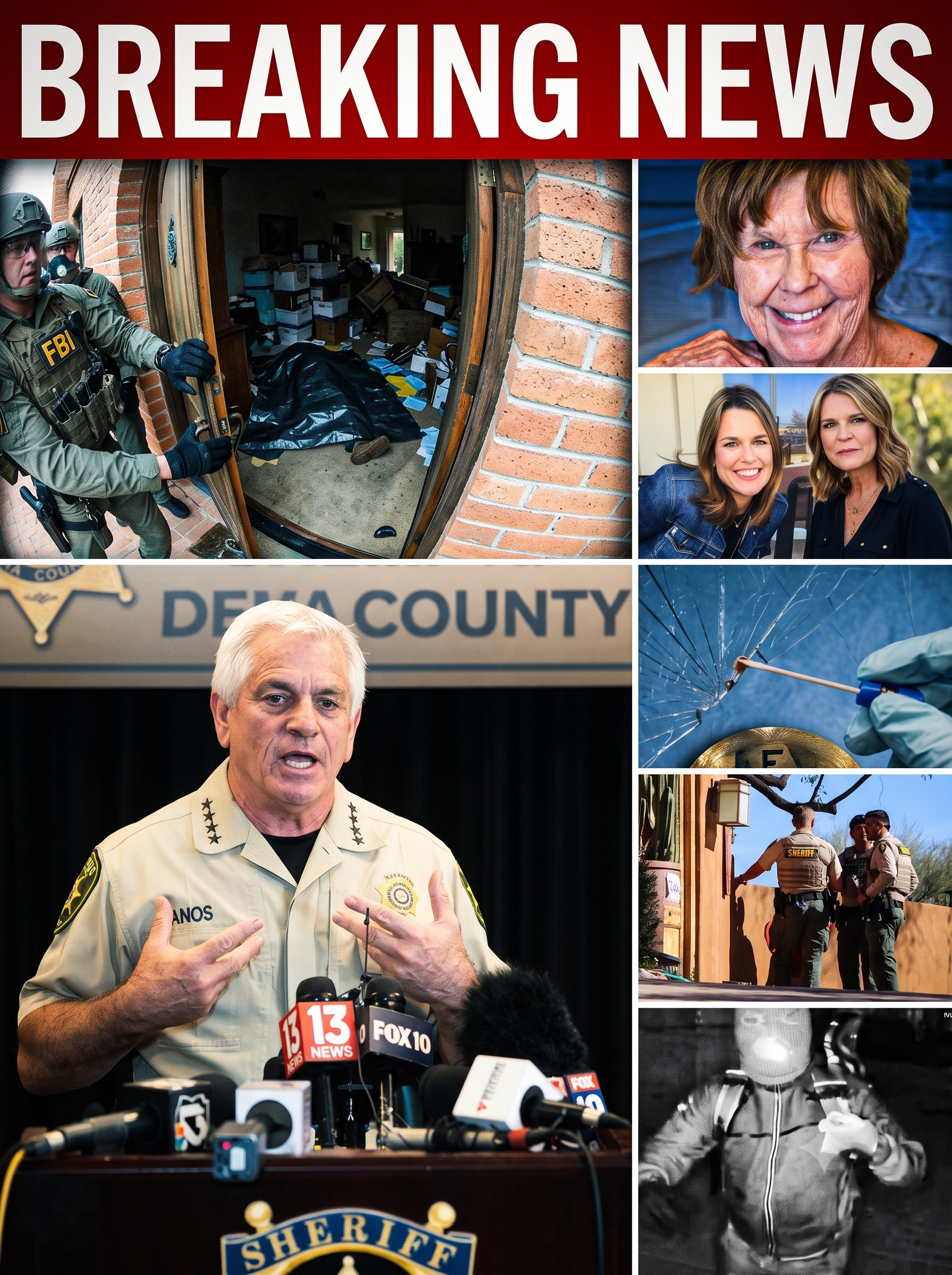
For months, the Nancy Guthrie disappearance has been surrounded by one haunting possibility: that the missing 84-year-old was kidnapped for ransom and may never return home.
Now, seven months after she vanished, investigators are still trying to determine which pieces of the story can be trusted.
Nancy Guthrie disappeared from her Catalina Foothills home in Tucson at the beginning of February. Authorities quickly concluded that something criminal had likely occurred. Her family said circumstances inside the home were deeply troubling, and surveillance footage later showed a masked individual near the front entrance around the time of her disappearance.
But the investigation became significantly more complicated when ransom messages began surfacing.
The messages appeared to provide details about Nancy’s disappearance and demanded money. One of the most significant communications demanded $4 million in Bitcoin and threatened to increase the ransom if payment was not made. Another message claimed Nancy had died after being taken and had been buried in nature.
For the public, those messages seemed to offer a possible explanation.
For investigators, they created another problem.
Were they genuine?
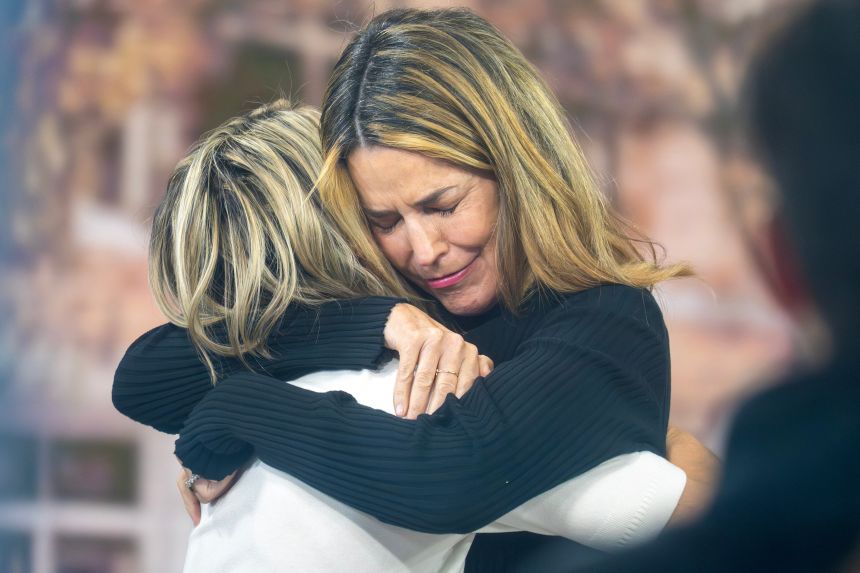
The answer turned out to be far more complicated than anyone expected.
In July, the FBI said that some of the kidnapping-related communications that had surfaced were fake. Federal investigators determined that several messages were bogus or represented attempts to extort the family. At the same time, the FBI emphasized that the underlying investigation remained active and was still being handled as a kidnapping-for-ransom case.
Then, in August, the Pima County Sheriff’s Department publicly released two ransom notes connected to the case.
The decision immediately renewed attention on Nancy’s disappearance.
The first note, dated February 2, demanded millions of dollars in Bitcoin. It contained details that appeared intended to demonstrate that the writer knew things about Nancy’s home. The second note was considerably more disturbing, claiming that Nancy had died from what the writer described as a heart-related problem after the abduction. It said her body had been buried in nature.
But there is one critical fact that must not be overlooked.
Authorities have not publicly confirmed that Nancy is dead.
No body has been found and officially identified as Nancy.
No public forensic announcement has established her death.
And no suspect has been publicly arrested for abducting her.
That means the second ransom note cannot be treated as proof of what happened.
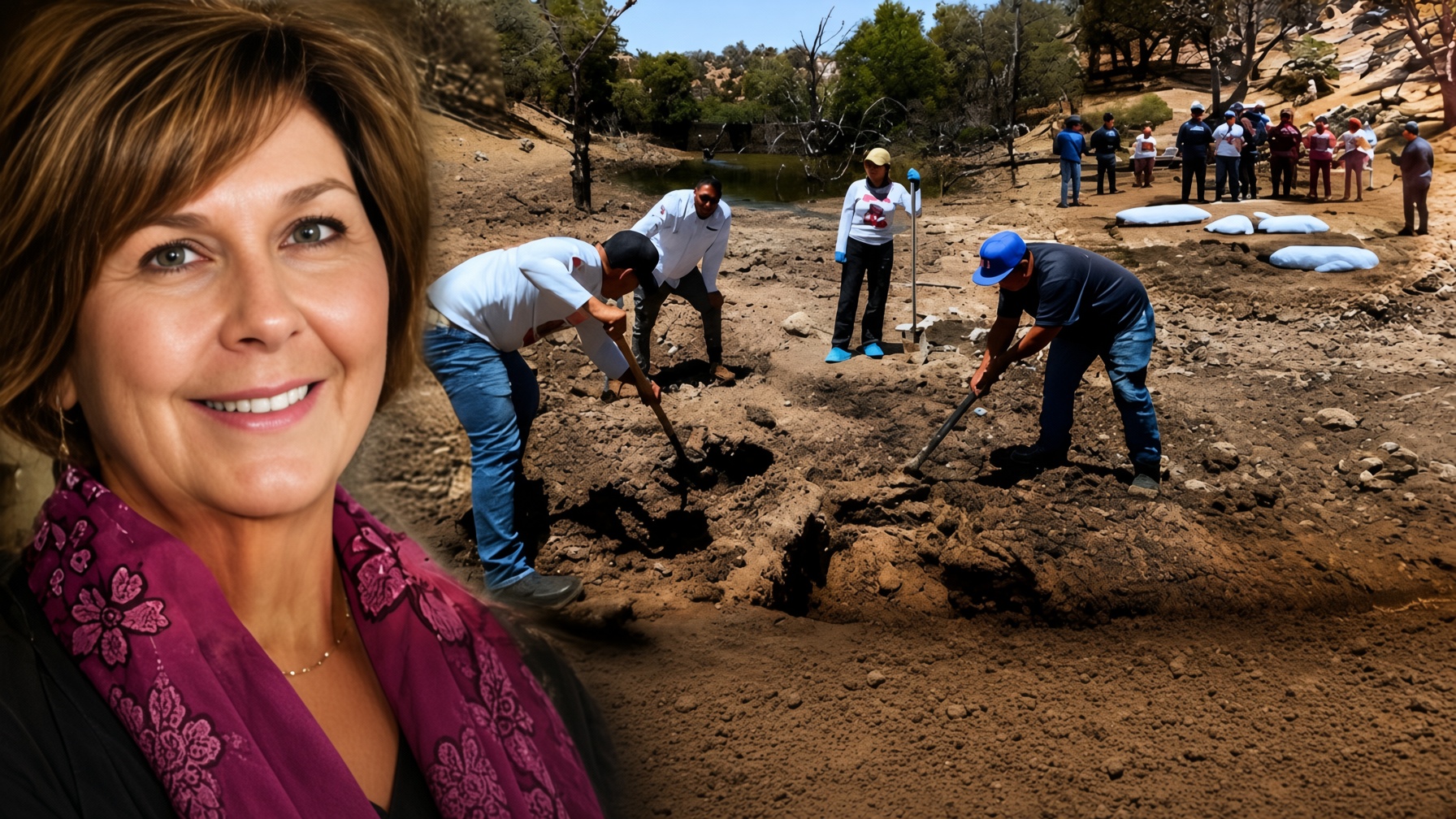
The uncertainty has been especially painful for Savannah Guthrie and her siblings. Savannah has repeatedly appealed to anyone involved or anyone with information to come forward. Her family has also offered a $1 million reward for information leading to Nancy’s return. The FBI has offered up to another $100,000.
The enormous rewards demonstrate the desperation surrounding the case.
But they also raise another question.
If someone knows where Nancy is, why have they not come forward?
Investigators have repeatedly asked the public to look closely at the surveillance images. The FBI released footage showing an armed, masked individual near Nancy’s front door. The person appeared to tamper with the camera, making the footage one of the most important publicly known clues.
Yet months later, authorities have not announced that the person in the footage has been identified publicly.
The case has also been complicated by false information.
Derrick Anthony Callella, a 42-year-old California man, admitted sending fake ransom communications after following the story through the media. His actions were unrelated to the actual kidnapping investigation, but they demonstrated how vulnerable the case was to opportunists attempting to exploit the family’s suffering. Callella pleaded guilty to two counts of harassment using a telecommunications device and was sentenced on August 31 to two concurrent five-year probation terms.
For investigators, separating real clues from fabricated ones is essential.
Every false message consumes time.
Every false lead can send investigators in the wrong direction.
And every unverified claim can deepen the family’s anguish.
The discovery of human remains in August created another wave of speculation. The remains were found approximately 15 miles from Nancy’s home, but authorities said there was no indication they were connected to her disappearance.
Again, the investigation returned to its central mystery.
Nancy remained missing.
No public suspect emerged.
And the ransom notes remained surrounded by questions.
Seven months into the case, investigators may ultimately need one crucial breakthrough to change the direction of the investigation: a witness, a forensic match, a piece of digital evidence, financial information, or someone willing to reveal what they know.
Savannah’s recent public appearance at the U.S. Open showed that she is continuing with parts of her life despite the unresolved situation. But the case remains very much present.
The most difficult possibility is that the answer may already exist somewhere in the evidence investigators have collected.
Perhaps the crucial clue is hidden in a surveillance recording.
Perhaps a person who knows more than they have admitted is still silent.
Perhaps one of the disputed communications contains information that investigators can eventually verify.
Or perhaps the eventual breakthrough will come from something nobody currently considers important.
For now, there is no definitive ending.
There is no confirmed location.
There is no confirmed killer.
There is no confirmed death.
There is only an unresolved disappearance, a family waiting for answers and investigators still trying to determine which clues lead toward the truth.
The ransom notes changed the case.
But they did not solve it.