He Sees With His Hands: Rudy, Born Without Eyes, and the Family Learning a Different Kind of Sight
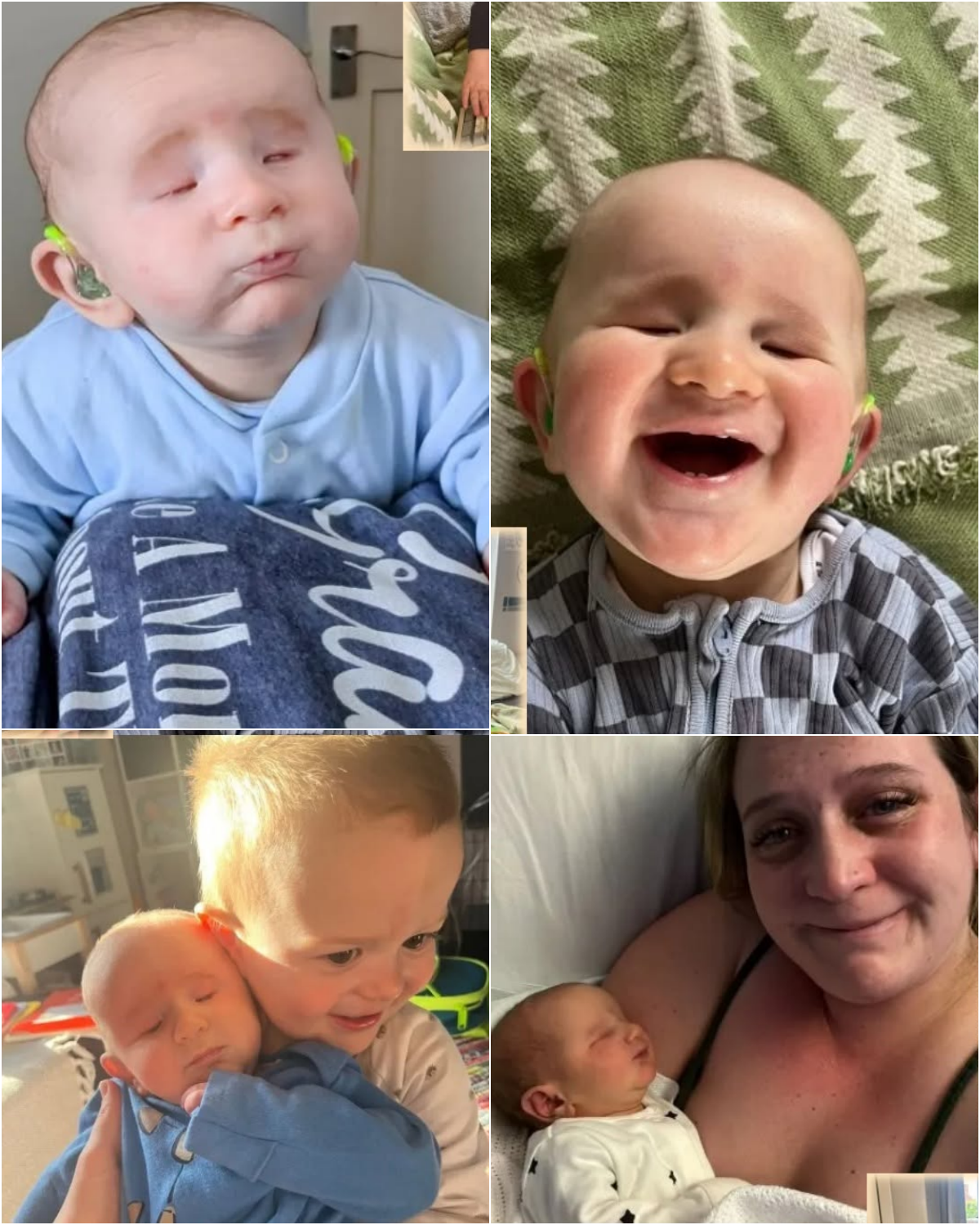
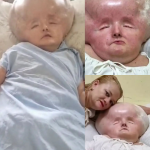
Beth Fair-Lawton expected to take a healthy second son home from a normal pregnancy. Scans had given no warning. After a caesarean in Salford at the beginning of 2025, midwives told her it was ordinary for a newborn’s lids to stay shut for a while. Three days passed. Rudy still did not open his eyes. Beth’s gut would not quiet. A scan then showed what pregnancy images had missed: he had been born without eyes and without optic nerves. The diagnosis was bilateral anophthalmia, a malformation that occurs in about one in 100,000 births. About 30 children a year in England and Wales are born with anophthalmia or the related condition microphthalmia.
Genetic testing found a mutation in one of Rudy’s SOX2 genes — a rare change linked to how the eyes form in the womb, and in his case also to moderate hearing loss. He has had swallowing difficulties and has needed tube feeding. Beth marked her 30th birthday on the ward. Rudy went home after 19 days. Life since has been hospital corridors, private therapy, and the slow work of teaching a body other ways to know the world.
He wears conformers: small plastic shells that hold the shape of the sockets so his face can grow, and so prosthetic eyes remain an option later. At 16 months he was getting up on all fours, clapping, swaying to music, smiling constantly. When he has been away from his mother he reaches for her face with both hands, checking that it is her. He turns toward sunlight as soon as he is carried outside. “He is reaching these milestones, just at his own pace,” Beth said.
The person who explained him most clearly is his older brother, Jax. When adults stumble over the diagnosis, the three-year-old has a sentence ready: Rudy cannot open his eyes, but he can see with his hands. Beth and her partner, Andrew, have asked supporters for practical things — a Braille typewriter, laptop adaptations for school, a vibration plate for muscle work, hearing-aid gear so the family can watch television together. The fundraising is not a substitute for a cure. It is a way to keep pace with a boy who is already mapping the house by touch.
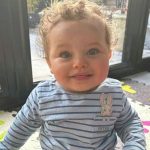
Beth has said she keeps a photograph of the moment she was told he had no eyes. It still hurts to look at. It is also a marker of how far the family has come. Rudy is more than the empty sockets and the gene report. He is the baby in the “little bro” onesie, the child at the keyboard with his brother behind him, the infant asleep against Jax’s chest.
A boy born without sight is teaching the people around him that love has more than one way to be seen.
Sources
- Manchester Evening News, “The little Salford boy born without any eyes” (May 11, 2026)
- The Sun, interview with Beth Fair-Lawton (June 2026)
- Just4Children appeal, “Rainbow Rudy’s Journey”
- BAAM / Moorfields figures cited in UK coverage on anophthalmia and microphthalmia