A Coffee-Stirrer Colon and a Month of Refeeding: One Year After Paisley Grace Came Off Her Ostomy
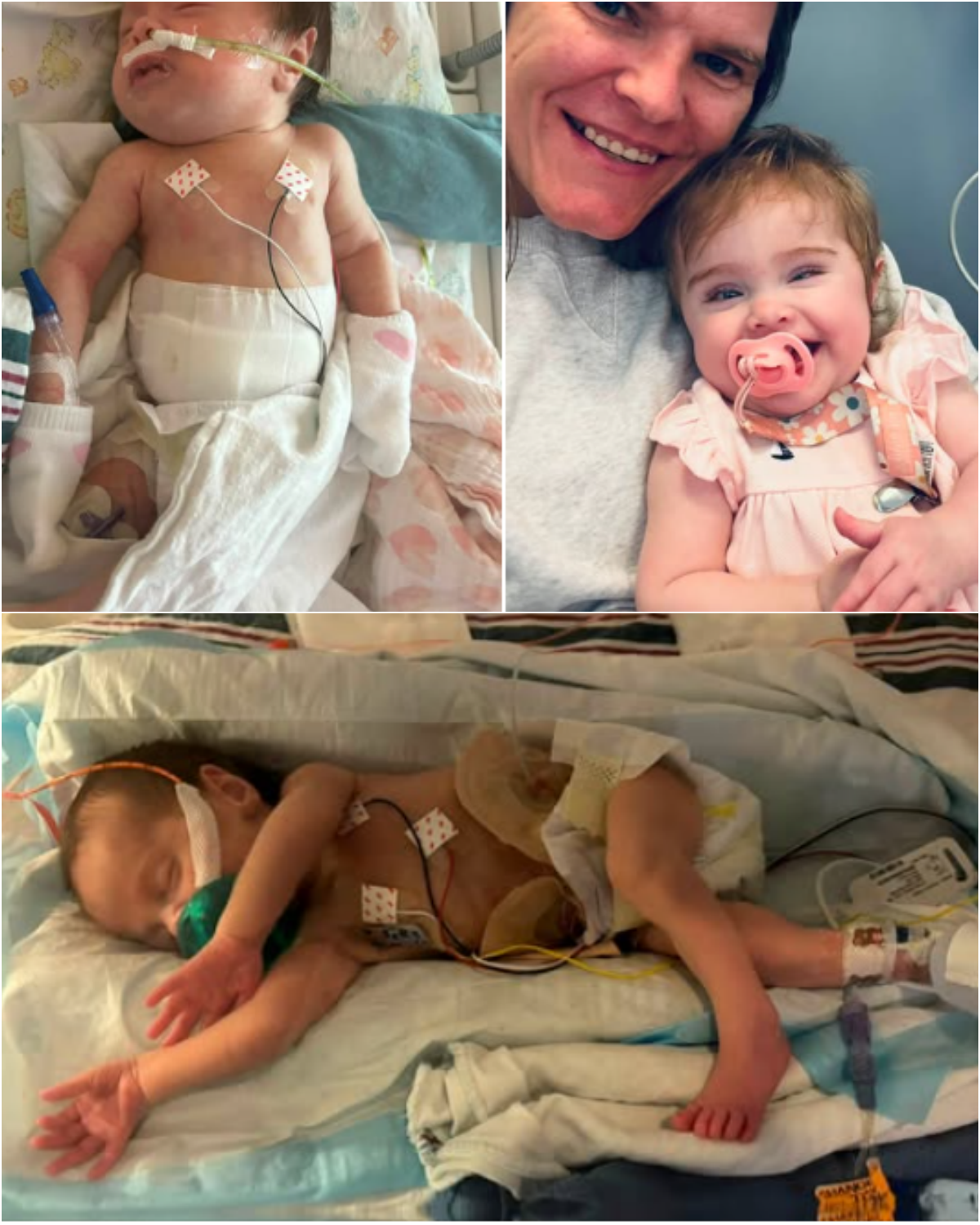
One year ago today, Paisley Grace was taken into surgery to reverse her ostomy and mucous fistula and put her colon back into the circuit of her own body. The wait outside the theatre was not ordinary parental anxiety. Her abdominal wall had been closed over small bowel. The colon had never been used. Her small intestine was the width of a boba straw. Her colon was the width of a coffee stirrer. The two ends could not simply be sewn together and hoped for the best.
For a month beforehand the family had done something most hospitals still treat as experimental: mucous-fistula refeeding. Ostomy output was collected, drawn into a syringe, and put back into the unused colon through a catheter — teaching a idle length of bowel to remember food, fluid and motion. A 2025 review of the practice in newborns found it can improve weight gain and shorten time on parenteral nutrition, but methods still vary widely and standardized protocols are scarce. Paisley’s surgeon was one of the few willing to try it. There was no scan that could promise the caliber would match until someone looked inside. Those hours, her parent wrote, were spent pacing and on the floor in prayer.
By the grace they asked for — and by a surgeon willing to work outside the usual box — the ends met. Paisley Grace left the operating room reconnected. She no longer has an ostomy.
That sentence is a victory, not an ending. The road after takedown is still long and still painful. Feeds, gut motility, weight and comfort do not reset the day the bag comes off. A public update months after abdominal surgery described gagging, vomiting, diarrhea and weight she could not afford to lose, then a slow climb back with a dietitian rewriting formulas again and again. None of that erases the first fact: the unused colon was given a job, and it took it.
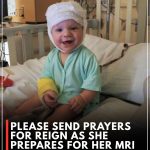
Paisley Grace Croghan was born June 3, 2017, almost five weeks early, at 4.5 pounds, into a medical story that already included a heart with two large holes, a rare unnamed genetic picture, a tracheostomy and a feeding tube — and a prognosis that once assumed she might never come home. She did come home. She has kept coming home after each next operation. The anniversary of the reconnection is one more date on a calendar that has too many hospital stamps and still, somehow, room for a smile.
Her parent’s last line is the one that belongs at the end of the year as much as at the end of the case note. The road is still long and painful. She still smiles. She still loves. She is the gift the family did not know they needed.
Sources
- Family anniversary account of the ostomy and mucous-fistula reversal (4 September 2025 surgery; posted on the one-year mark)
- perfectlypaisleygrace.com, “Paisley’s Story”
- Paisley’s Progress public updates on recovery after abdominal surgery
- Nutrients (2025), systematic review: “Mucous Fistula Refeeding in Newborns: Why, When, How, and Where?”
- BMC Pediatrics exploratory RCT on mucous fistula refeeding in preterm infants with enterostomy