Identity, Faith and Choice: Why Ganga and Jamuna Mondal Refused to Be Separated
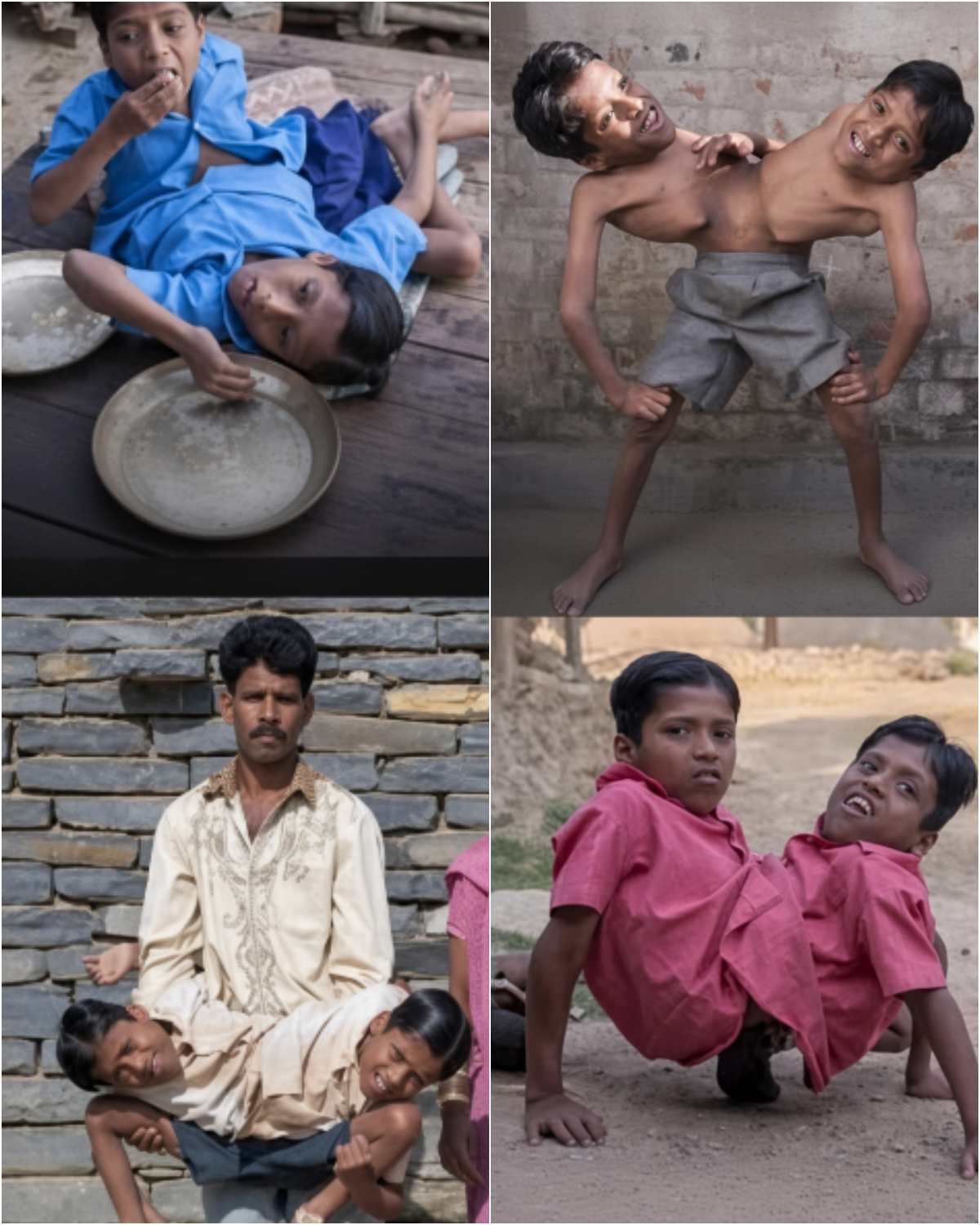
Ganga and Jamuna Mondal were born in West Bengal, India, joined at the pelvis — ischiopagus conjoined twins. They share parts of the lower body: published medical descriptions include a shared large bowel and pelvic structures, two hearts, two kidneys, one liver, one uterus and a common vaginal canal, with two functioning legs and a third, underdeveloped limb. They have lived their entire lives as one coordinated pair, moving, working and deciding together.
In their villages and on the fair circuit they became known as the “Spider Girls” or “Spider Sisters.” Crowds did not only stare. In a culture that can read unusual bodies through the language of avatars and multi-limbed deities, many treated them with reverence. That attention also became a livelihood. Appearances at traditional fairs pulled the family out of extreme poverty. What outsiders called a tragedy was, for them, a body they already knew how to inhabit and a role their community already understood.
In 2009 the American paediatric surgeon James Stein examined them in Kolkata. He had separated other twins. He said Ganga and Jamuna could be divided — with reconstruction of bowel and genitalia, at enormous cost and with a large multidisciplinary team — but that they found the idea “uncanny.” They were then about forty. They said they wanted to stay together. Later interviews repeated the same point: their identity, affection and fate were already one story. Separation was not a gift they had asked for. It would have been someone else’s idea of a complete life.
The refusal is easy to romanticise and easy to pathologise. Neither is accurate. The surgery would have been high-risk, expensive and incomplete in the sense that neither woman would have woken as an ordinary singleton. They already had work, a public, and later a shared relationship with schoolteacher Jasimuddin Ahmad. Indian law and custom did not make marriage simple. Their choice was still a choice: to keep the body they had, the sister they had, and the meaning their neighbours had already assigned them.
Ganga and Jamuna’s case sits at the crossing of paediatric surgery, disability ethics and popular religion. International teams offered to unmake the join. The twins answered that the join was the person. That answer is rare. It is also a documented act of adult self-determination, not a failure of medicine.
Sources
Times of India, Ajanta Chakraborty, 7 June 2009: “Siamese twins say no to surgery” (James Stein assessment, shared organs, refusal).
Wikipedia, “Conjoined twins”: Ganga and Jamuna Mondal, ischiopagus, professional names.
Al Arabiya / Daily Mail reporting, 2014; Scroll.in, 2017: later life and relationship with Jasimuddin Ahmad.