BREAKING: Zarutska Family Files Wrongful-Death Lawsuit as New Audit Exposes Charlotte Transit Security Gaps
BREAKING: Zarutska Family Files Wrongful-Death Lawsuit as New Audit Exposes Charlotte Transit Security Gaps

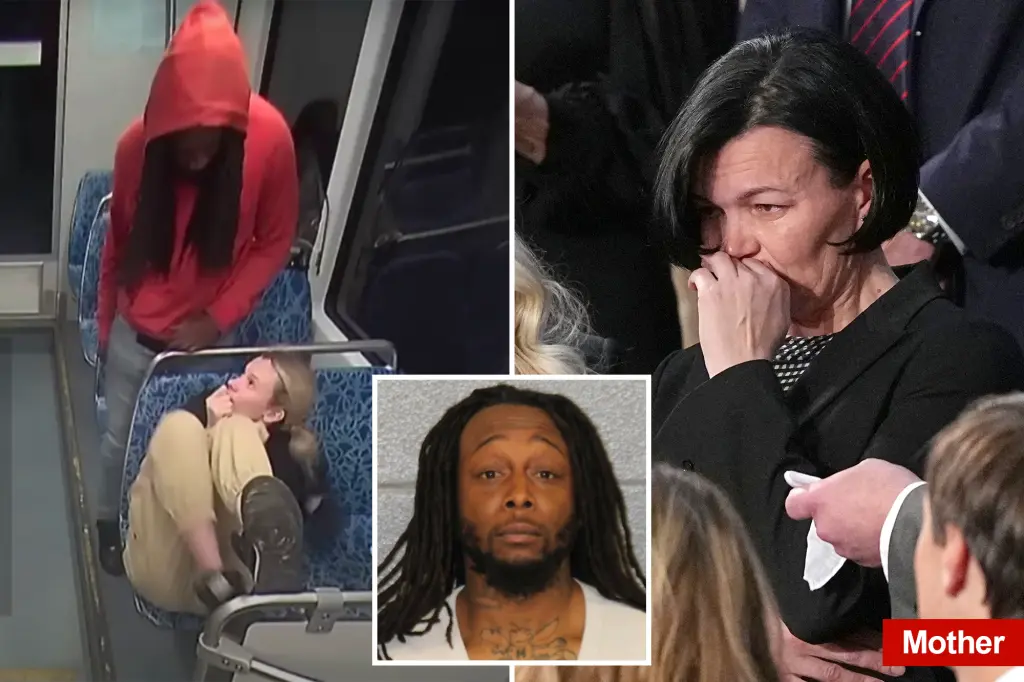
The family of Iryna Zarutska has filed a wrongful-death lawsuit against the City of Charlotte and the private company responsible for transit security, intensifying questions about whether weaknesses within the Charlotte Area Transit System could have been prevented.
One year after 23-year-old Ukrainian refugee Iryna Zarutska was killed aboard Charlotte’s LYNX Blue Line, her family is seeking accountability through the civil court system. The lawsuit, filed on August 21, 2026, names the City of Charlotte and Professional Security Services, the private contractor providing security for the Charlotte Area Transit System, commonly known as CATS. (WCCB Charlotte)
The legal action comes only days after a major state audit identified significant weaknesses involving security, fare enforcement and other safety measures across Charlotte’s public transportation network. The timing has placed renewed attention on whether problems identified by state auditors existed long before Zarutska’s death and whether more effective safeguards could have reduced the risks faced by passengers.

A Lawsuit Focused on Transit Safety
According to reports about the complaint, Zarutska’s family argues that the city and its private security contractor failed to provide adequate safety measures despite previous concerns about incidents occurring on and around the transit system.
The lawsuit reportedly points to several areas, including security staffing, fare enforcement, physical barriers, security deployment, monitoring systems and passenger warnings. The family argues that these shortcomings represented broader systemic failures rather than an isolated problem. (WSOC TV)
The lawsuit seeks monetary damages as well as punitive damages. However, the allegations remain allegations at this stage and have not been proven in court. The City of Charlotte has declined to comment on the active litigation, while reports said the security contractor had not responded to requests for comment. (WCCB Charlotte)
For Zarutska’s family, however, the lawsuit is about more than financial compensation. Their attorney, Lauren Newton, has said the family wants the case to encourage meaningful changes to public transportation security so that other passengers do not face similar vulnerabilities.

The State Audit Adds New Questions
The lawsuit follows a comprehensive review by the North Carolina State Auditor’s Office.
The audit, released in August 2026, examined safety and security practices at CATS and identified gaps involving security personnel, fare enforcement and compliance with federal transit safety guidance. (https://www.wbtv.com)
The state review is particularly significant because it followed the 2025 death of Zarutska and examined the broader system rather than focusing solely on the individual incident.
Earlier preliminary findings from the State Auditor’s Office had already raised concerns about CATS security contracts, public-safety monitoring data and the system’s safety and security budget. The office said its initial review was launched in response to Zarutska’s death and broader public concerns about transit safety. (NC Auditor)
One of the most closely watched findings concerns security staffing.
Reports on the audit say CATS had a security contract covering 219 positions, including 39 positions designated for armed officers, but the system was not fully staffed. The family’s lawsuit argues that insufficient staffing contributed to an environment in which passengers were not adequately protected. (https://www.foxcarolina.com)
The audit also highlighted concerns surrounding fare enforcement and physical access controls.

Surveillance Access Was Another Weakness
One particularly important issue involved surveillance.
At the time Zarutska was killed on August 22, 2025, Charlotte-Mecklenburg Police Department officers did not have real-time access to CATS surveillance cameras for crime reporting, according to reporting on the state review.
That situation was later corrected in October 2025. (WCCB Charlotte)
The change has become an important part of the discussion surrounding the case because modern transit security increasingly depends on the ability to monitor public spaces and quickly communicate information to law enforcement.
The existence of surveillance footage ultimately provided investigators with important evidence concerning what happened aboard the Blue Line train. But the audit’s findings raise a different question: Could real-time monitoring have provided another layer of protection before or during an emergency?
That question is now part of a much larger public debate over how cities should balance transportation accessibility, passenger privacy, security staffing and public safety.

A Young Woman Who Came to Charlotte Seeking Safety
Zarutska’s story has attracted international attention partly because of the circumstances of her journey to the United States.
She had left Ukraine after the Russian invasion and eventually settled in Charlotte. Reports described her as a young woman who was building a new life in the United States.
Her family has said she was returning home from work when she boarded the Blue Line in August 2025.
The incident transformed her name into a symbol in the ongoing debate over public transportation safety in Charlotte and beyond.
International media, including The Guardian, have reported on the lawsuit and its allegations against the city and security contractor. The Guardian noted that the family claims officials were aware of previous incidents on and around the transit system and had resources available for additional safety measures. (The Guardian)
The case has therefore moved beyond one tragic event and into a broader examination of how public transportation systems prepare for risks.
What Happens Next?
The wrongful-death lawsuit will now proceed through the civil court system.
The court will ultimately have to evaluate the family’s claims, evidence and arguments alongside responses from the defendants. Filing a lawsuit does not establish legal responsibility, and the allegations against the city and security contractor will have to be tested through the legal process.
At the same time, the state audit could provide an important foundation for discussions about future changes.
Among the issues receiving attention are stronger fare enforcement, improved physical security, adequate staffing, better surveillance capabilities and clearer coordination between transit personnel and law enforcement.
The goal, according to the family’s attorney, is not simply to revisit what happened in August 2025 but to examine whether lessons from the case can lead to lasting improvements.
As Charlotte continues expanding and relying on public transportation, the questions raised by the audit and lawsuit are likely to remain significant.
Could better staffing, stronger security measures and improved monitoring have changed what happened that night?
That is ultimately one of the central questions the Zarutska family hopes the legal process will help answer.
For now, the lawsuit represents a new chapter in a case that has already prompted criminal proceedings, government investigations and a nationwide conversation about public transportation safety.
And as Charlotte looks toward the future, the focus is increasingly shifting from what happened to what can be changed so that passengers feel safer the next time they step aboard a train.
International & official sources
- The Guardian — Iryna Zarutska’s family sues North Carolina city
- North Carolina Office of the State Auditor — CATS Special Report
- WCCB Charlotte — Zarutska family lawsuit and transit safety gaps
- WRAL — Zarutska family lawsuit and accountability questions
- WBTV — State audit finds security and fare-enforcement gaps