Neo, Morpheus, and Trinity: An Era-Defining Cinematic Legacy
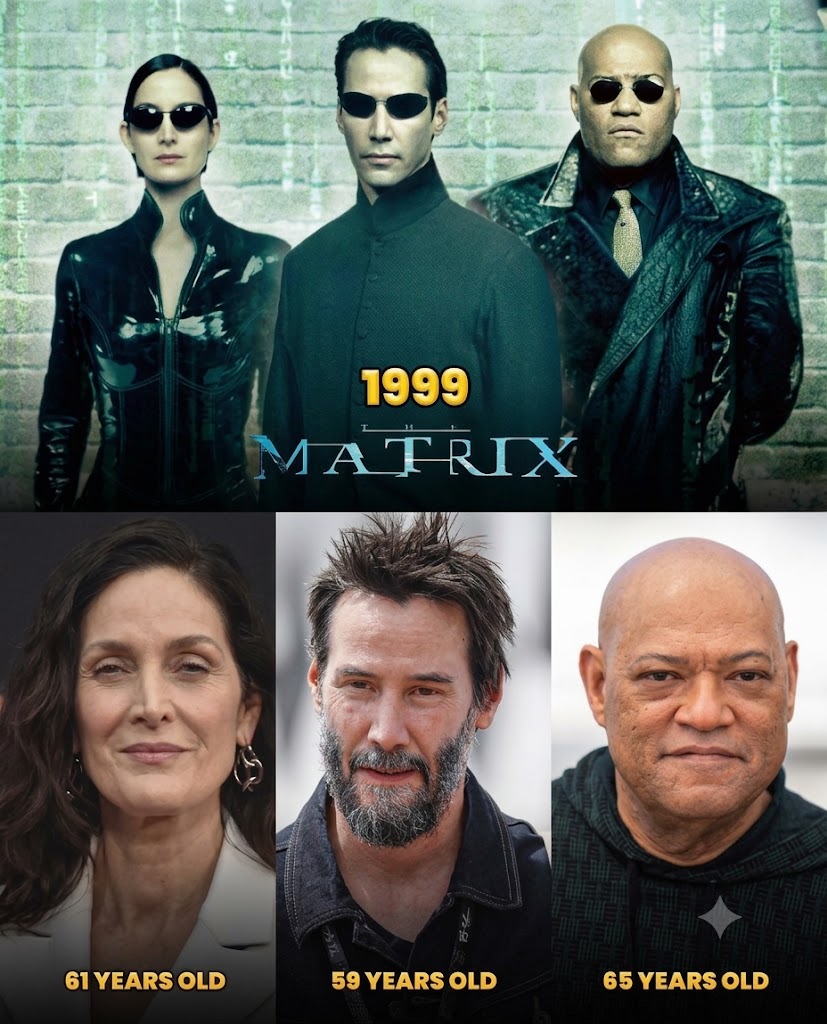
Keanu Reeves, Laurence Fishburne, and Carrie-Anne Moss did not merely star in a science-fiction film in 1999. They delivered one of the most complete, stylish, and philosophically charged pieces of cinema of the late 20th century. The Matrix arrived like a glitch in the system: leather coats, green rain, bullet time, and a question that still echoes more than two decades later.
Who could ever forget that legendary line: “What is the Matrix?”
The film’s power was never only visual. It was the chemistry of three very different performers locked into the same myth. Reeves gave Neo a quiet, almost reluctant intensity—the chosen one who looked like he would rather be anywhere else until the moment he wasn’t. Fishburne’s Morpheus carried the weight of belief itself: gravitas, warmth, and the unshakable conviction that the world as we knew it was a lie. Moss’s Trinity was the film’s sharpest edge—cool, lethal, and unexpectedly human, the character who made the romance feel earned rather than obligatory.
Together they created something rarer than a hit: an instantly recognizable visual and emotional language. The sunglasses, the coats, the slow-motion dodges, the rooftop leaps, the green code falling like digital rain—these images passed from screens into Halloween costumes, music videos, advertising, video games, and everyday speech. “Take the red pill” became shorthand. “There is no spoon” became a joke and a philosophy. An entire generation grew up treating The Matrix as both entertainment and a kind of origin story for how they thought about reality, technology, and control.
More than twenty-five years on, the three actors remain woven into that nostalgia. Their faces from 1999 still feel current in a way few blockbuster casts do. Later sequels and the long shadow of the original only confirmed what audiences already knew: these performances were not interchangeable. You can recast almost any franchise. You cannot recast that particular trinity without losing the charge that made the first film feel like a revelation.
The world has changed. Phones got smarter, the internet got louder, and the questions The Matrix asked about simulation, identity, and freedom have only grown more urgent. Yet the original film still works because it was never just about special effects. It was about three people standing in a green-tinted room and making an audience believe that waking up might be the most dangerous—and most necessary—thing a person could do.
That is why the images endure. Not because the coats were cool (though they were), but because Reeves, Fishburne, and Moss made the cool feel like destiny. Cinema history does not hand out that kind of alchemy often. In 1999, it did.