Face to Face at Last: Arthur and Bernardo Lima, Craniopagus Twins from Roraima
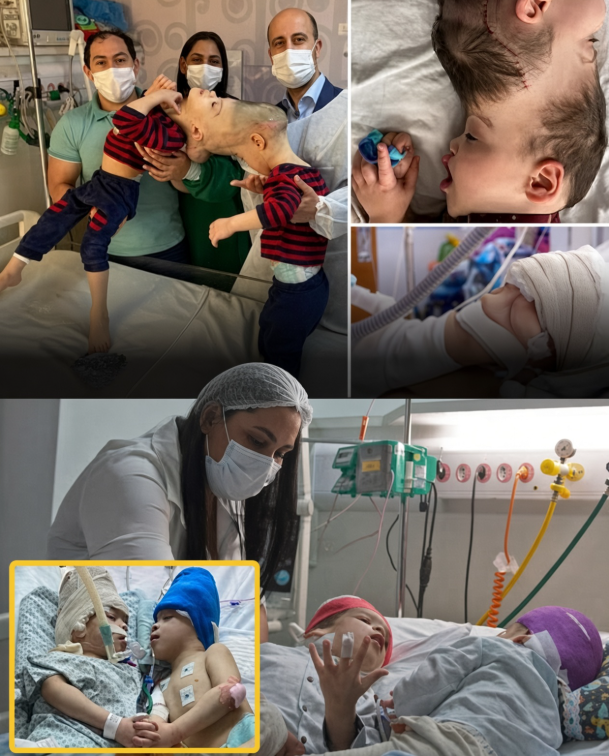
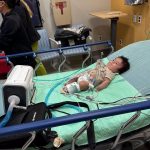
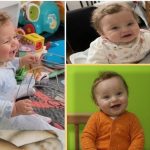
Arthur and Bernardo Lima were born in 2018 in northern Brazil, joined at the skull — total craniopagus twins whose brains and critical veins were fused. Their parents, Adriely and Antonio, brought them from Roraima to the Instituto Estadual do Cérebro Paulo Niemeyer in Rio de Janeiro. Other centres had called separation impossible. For two and a half years the boys lived in hospital under paediatric surgeon Gabriel Mufarrej. By the time London was asked for help they were nearly four — older than almost any pair ever divided with brains still sharing vessels.
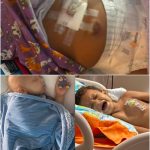
Great Ormond Street neurosurgeon Noor ul Owase Jeelani and his charity Gemini Untwined spent months with the Rio team inside the same virtual-reality model built from CT and MRI scans. Surgeons in two continents wore headsets and rehearsed the veins as if they stood in one room. Jeelani called it space-age work. The boys then went through seven operations. The last two alone ran more than 33 hours; one stretch is often cited as 27 hours. Almost a hundred staff were in or around the theatre. The brains were parted, the skulls rebuilt. Both children survived. They could lie in separate beds and, for the first time, look at each other. Rehabilitation was planned for months. SUS, Brazil’s public health system, covered the care.
The overlay that says they lived “two years” stuck together undercounts the wait. Age made the case harder, not easier: older brains, thicker shared veins, less plasticity. Success here does not mean two untouched nervous systems. It means two boys who were told they would die joined, and who instead learned the shape of a brother’s face from the front.
Sources: Gemini Untwined case page for Arthur and Bernardo; BBC Brasil and BBC News technology reporting (August 2022); The Times and The Independent interviews with Jeelani and Mufarrej; Surgery International summary of the VR/AI rehearsal.