Grace of the Congo: A Ten-Year Jaw Tumour and Four Hours on the Africa Mercy
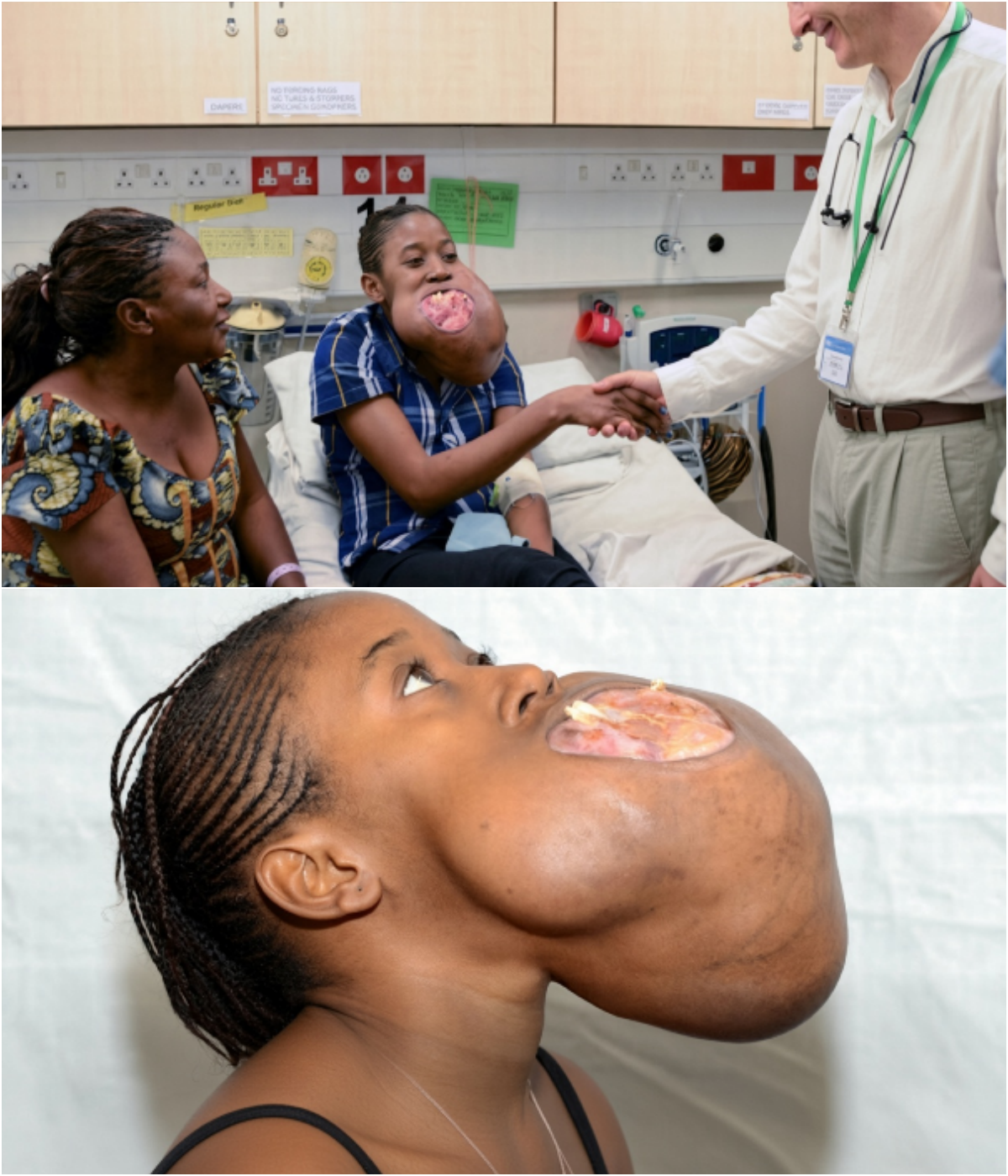
Grace was seventeen, from the Democratic Republic of the Congo, when she walked up the gangway of the Africa Mercy in 2013. A swelling that had started in her gums at about age seven had become a mass the size of a football. It filled her mouth, pushed the jaw apart and was growing inward as well as out. She could still eat and speak, but she had left school. Local hospitals had no way to take it off. Doctors on the ship said that if it kept expanding it would close her airway. A chaplain in a neighbouring country had posted her photograph. A reader pointed the family to Mercy Ships. Screening felt unreal. What she could say through the tumour was mostly muffled joy.
Dr. Gary Parker, the ship’s long-serving maxillofacial surgeon, led a four-hour operation: the mass came out with part of the lower jaw and several teeth. Titanium plates rebuilt the arch. The specimen weighed about 2.2 kilograms. Parker said that, in looks and in function, she should be able to live an ordinary life. Weeks later she had a prosthetic reconstruction. She talked about going back to class and, later, about training as a nurse so she could work on a hospital ship herself. Metro and Mercy Ships published the same before-and-after sequence that still travels online: the open ulcerated bulk under the chin, the ward handshake, the smaller, closed face in a green shirt.
These growths are usually benign — ameloblastoma or another slow tumour of the mandible — the kind that would be excised in a Western clinic while still the size of a grape. In a country short of theatre time they become a second head. Parker has spent decades saying there is no good reason for that. Grace’s case is one of the textbook photographs of that argument: a child who waited ten years, a volunteer who cut for four hours, and a girl who wanted the next uniform to be a nurse’s, not a patient’s.
Sources: Mercy Ships New Zealand “40 Stories of Healing: Grace, Congo 2013”; Metro (UK), 7 October 2014; contemporaneous Mercy Ships / Barcroft photography and Parker’s comments on function after resection and plating.