From One Skull to Two Lives: The Historic Separation of Ganga and Jamuna Shrestha
In a remote mountain village in western Nepal, twins Ganga and Jamuna Shrestha were born on May 9, 2000, joined at the crown of their heads. They were craniopagus twins—an extraordinarily rare condition in which infants share a skull and, in their case, had partially fused brains and a network of shared blood vessels. Their parents, Sandhya Shrestha and Bhusan KC, named them after the sacred rivers Ganges and Yamuna. For the first months of life the girls could not sit up, roll over, or even look at each other.
A Nepalese neurosurgeon, Dr. Upendra Devkota, contacted pediatric neurosurgeon Dr. Keith Goh at Singapore General Hospital. In October 2000 the family was flown to Singapore, with air travel provided by Singapore Airlines. Over the next six months a large multidisciplinary team prepared using three-dimensional imaging and virtual-reality rehearsal of the procedure—an advanced approach for its time. Public donations from Singaporeans, both Nepali and non-Nepali, raised hundreds of thousands of dollars to cover costs; the hospital waived many fees.
Surgery began on April 6, 2001. Doctors had expected roughly 30 hours. Instead the operation stretched across five days. The twins were separated after 88 hours of continuous work; total operating time reached about 94 hours for Jamuna and 102 hours for Ganga. A team of approximately 20 surgeons, working in shifts, painstakingly divided hundreds of intertwined vessels and reconstructed the skulls with bone grafts, muscle flaps, and artificial skin. Plastic surgeon Vincent Yeow announced the moment of separation with the line “Houston, we have separation.” Both girls survived the marathon procedure, which was then among the longest and most complex of its kind.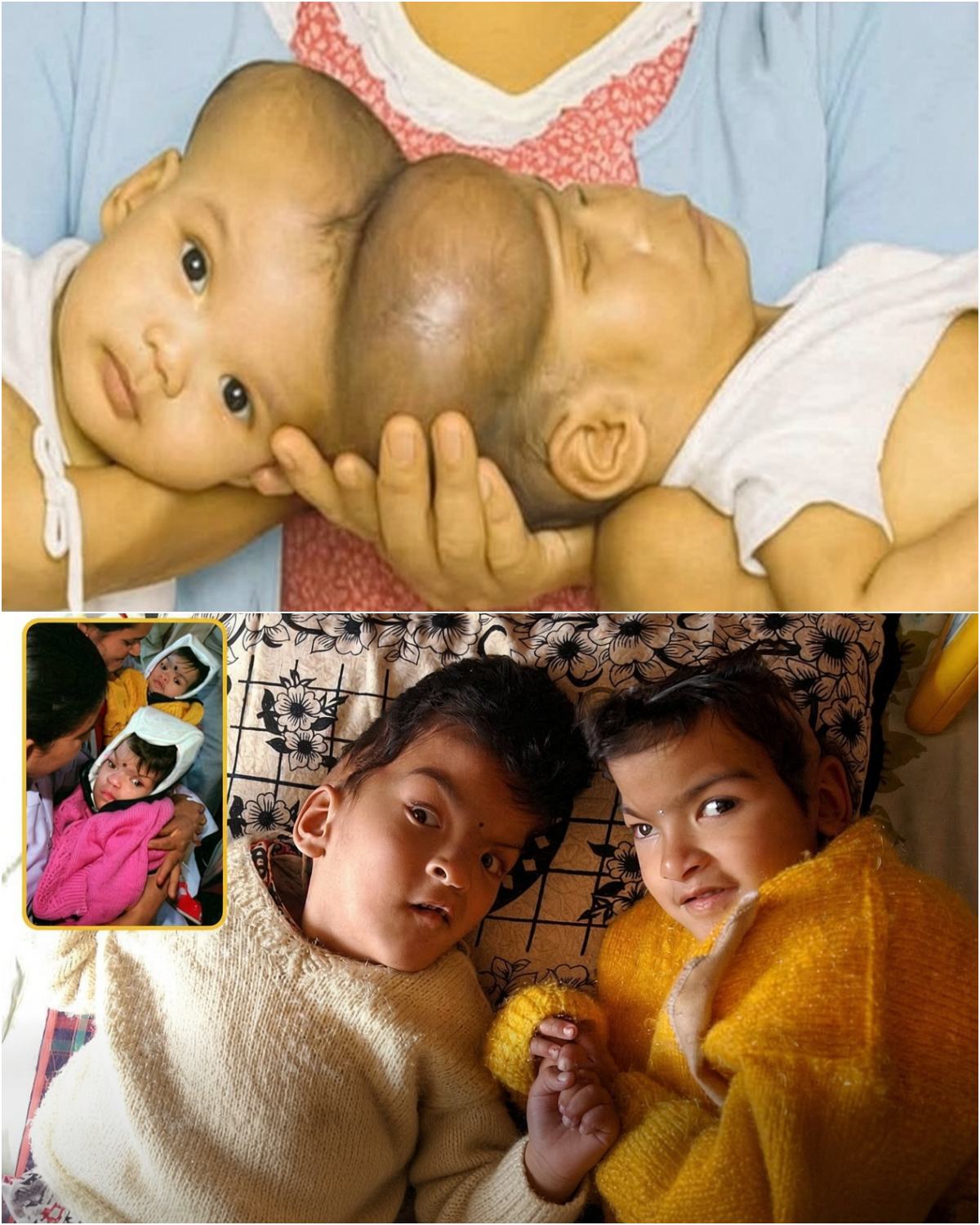
Recovery was difficult. Ganga developed infections and later showed significant brain injury; she slept much of the time and never sat or spoke as expected. Jamuna recovered more robustly but could not walk independently and had limited speech. Both needed further reconstructive operations because their repaired skulls left them vulnerable. After more than a year in Singapore the family returned to Nepal in November 2001 and settled in Kathmandu to stay near medical care. Doctors cautioned that the girls would live with disabilities and distinctive head shapes.
Ganga died in July 2008 at age eight from pneumonia and meningitis. Jamuna survived with lasting impairments. The case remains a landmark in Asian pediatric neurosurgery: a demonstration of international solidarity, meticulous planning, and the limits of even the most ambitious intervention. It also illustrated how rare craniopagus separations can succeed yet still leave profound medical and social consequences.
A 2016 book published in Singapore later documented the twins’ story for a wider audience.
Sources
- Wikipedia: Ganga and Jamuna Shrestha
- The Guardian contemporaneous reporting (April–November 2001)
- CNN, BBC, Wired, and Associated Press coverage of the surgery and aftermath
- Nepali Times account by Dr. Basant Pant
- Additional medical and news archives on Dr. Keith Goh and the Singapore General Hospital team