🚨 UPDATE: HE KILLED HIS TWO DAUGHTERS, CLAIMED SEVERE MENTAL ILLNESS — BUT JOHN BATTAGLIA WAS STILL EXECUTED

DALLAS, TEXAS — John Battaglia’s case remains one of the most disturbing examples of what can happen when a murder conviction collides with a bitter question about mental illness.
In 2001, Battaglia killed his two young daughters, Faith, 9, and Liberty, 6, while their mother was listening on the telephone.
More than a decade later, his lawyers would argue that severe mental illness had left him unable to rationally understand why Texas intended to execute him.
The courts ultimately rejected that claim.
On February 1, 2018, after years of appeals and competency hearings, Texas carried out the sentence.
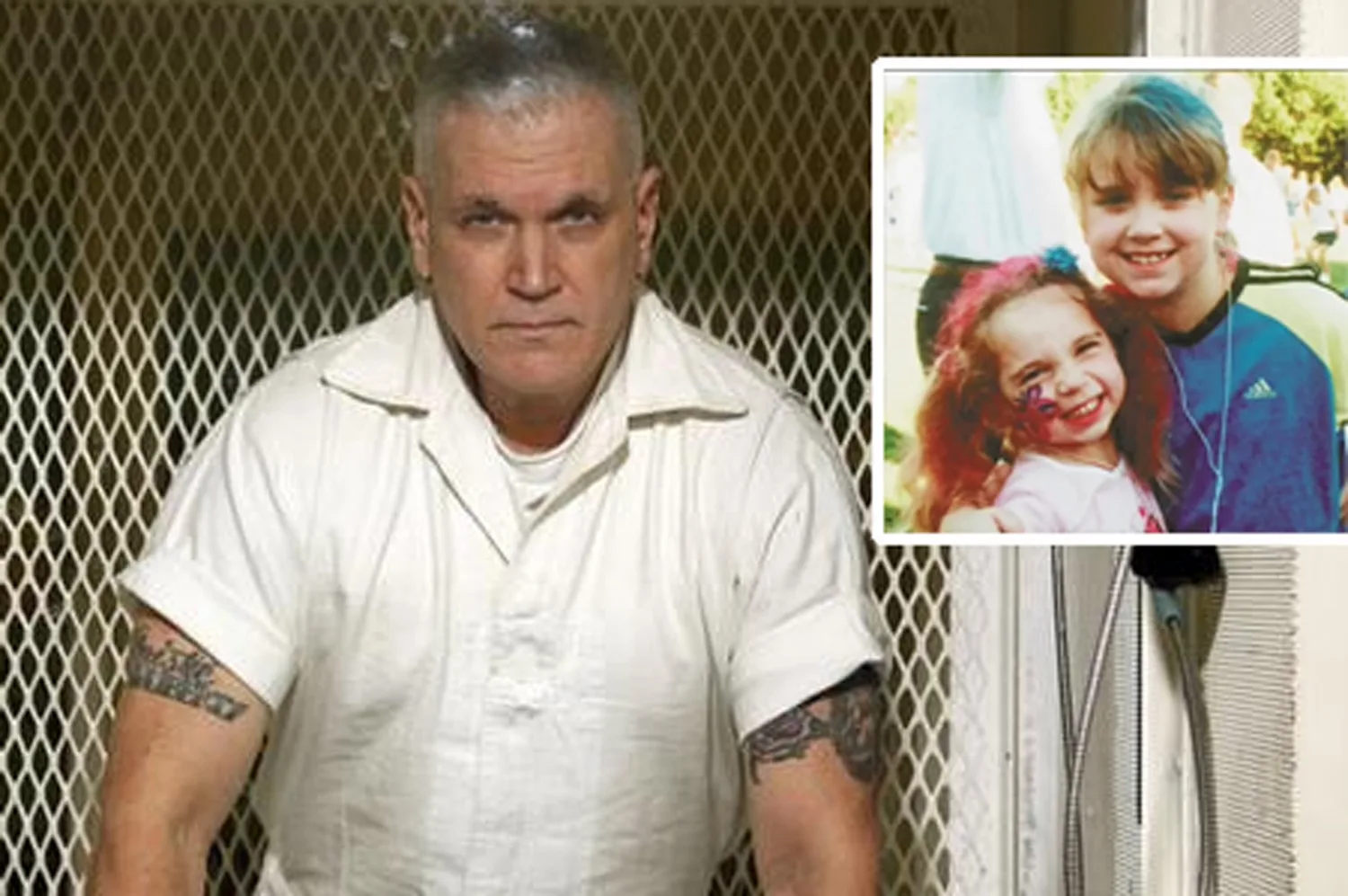
💔 THE MURDERS HAPPENED DURING A PHONE CALL
The killings took place in Battaglia’s Dallas apartment during a visit with his daughters.
At the time, he was in conflict with his former wife, Mary Jean Pearle, who had been seeking action over his alleged violation of probation.
Battaglia called Pearle and put her on the telephone with the girls.
Then everything changed.
Pearle later testified that she heard Faith plead with her father before hearing gunshots.
Police eventually found both girls dead inside the apartment.
The prosecution argued that Battaglia had deliberately used his daughters to inflict the ultimate punishment on their mother.
The evidence was devastating, but Battaglia’s attorneys would later focus on a different question: what was happening inside his mind?

⚖️ THE JURY DID NOT TAKE LONG TO CONVICT HIM
Battaglia’s capital-murder trial began in Dallas in April 2002.
After hearing the evidence, the jury deliberated for 19 minutes before finding him guilty of capital murder.
The sentencing phase took considerably longer.
His defense presented evidence concerning his mental health, including claims involving bipolar disorder and episodes of extreme behavior.
The jury nevertheless chose death.
Battaglia was formally sentenced to death in 2002.

🧠 THEN THE MENTAL-HEALTH FIGHT MOVED TO DEATH ROW
Battaglia’s legal team later argued that his psychiatric condition had become so severe that he was incompetent to be executed.
That is a different legal question from whether mental illness contributed to the original crime.
Before a prisoner can be executed, the law requires more than simply knowing that an execution date exists. The legal standard involved whether the inmate understands the fact of the execution, its imminence and the connection between the crime and the punishment.
In Battaglia’s case, mental-health experts disagreed sharply.
Three experts concluded that he was incompetent for execution.
A fourth reached the opposite conclusion.
A Texas trial judge ultimately accepted the view that Battaglia was competent.

🔎 HIS BELIEFS BECAME PART OF THE LEGAL BATTLE
Court records showed that Battaglia had developed elaborate beliefs that powerful people were conspiring against him.
He reportedly believed his execution was connected to a much larger conspiracy involving people connected to his prosecution and previous marriages.
One evaluator concluded that his delusions prevented him from rationally understanding the connection between his crimes and his punishment.
That evidence gave his attorneys a serious constitutional argument.
But Texas courts ultimately reached a different conclusion.
The Texas Court of Criminal Appeals ruled in 2017 that Battaglia was competent to be executed, finding that he understood the essential connection between his capital offense and the punishment he was facing.

🚨 THREE EXPERTS SAID “INCOMPETENT” — THE COURT STILL SAID “COMPETENT”
That remains one of the most striking details of the case.
The disagreement among the experts was not about whether Battaglia had mental-health problems.
The central issue was whether those problems had reached the legal threshold that would make execution unconstitutional.
The majority of the mental-health experts who examined him believed he should not be executed.
The courts nevertheless determined that the legal standard had not been met.
A dissenting judge on the Texas Court of Criminal Appeals argued that Battaglia’s delusional beliefs deserved a more searching examination under the constitutional standard established by the U.S. Supreme Court.
The disagreement became part of the permanent record of the case.
⏳ HIS EXECUTION WAS DELAYED MORE THAN ONCE
Battaglia’s death sentence did not lead directly to the execution chamber.
His original execution date was postponed in 2016 after his attorneys raised the competency issue.
The dispute then moved through additional court proceedings while psychologists evaluated him and judges considered whether his mental condition made him ineligible for execution.
After the Texas Court of Criminal Appeals upheld the competency finding in 2017, the path toward execution reopened. ([turn625942search0]
Battaglia’s lawyers continued fighting.
They eventually made another last-minute challenge concerning the drugs Texas planned to use in the execution.
It also failed.
🕯️ HE DIED IN 2018
On the night of February 1, 2018, the U.S. Supreme Court rejected his final attempts to stop the execution.
Battaglia was then administered a lethal dose of pentobarbital.
He was pronounced dead that night.
Before the procedure began, he addressed Pearle, who was watching from behind the glass.
His final words included:
“Well, hi Mary Jean. See y’all later.”
He then told officials to proceed.
After nearly 16 years on death row, the legal battle was over.
💭 THE CASE LEFT BEHIND A HARDER QUESTION
Battaglia’s execution did not settle the broader debate surrounding mental illness and the death penalty.
His case demonstrated how two ideas can exist at the same time:
A defendant can have profound psychiatric problems, while a court can still find that he meets the legal definition of competence for execution.
That distinction is often lost when older death-penalty cases resurface.
The question is not simply whether a prisoner is mentally ill.
It is whether the illness prevents the person from meeting the specific constitutional standard required before an execution can lawfully occur.
🚨 WHY BATTAGLIA’S STORY STILL RESONATES
The case remains relevant because questions about postpartum psychosis, bipolar disorder, psychosis and criminal responsibility continue to appear in major criminal trials.
But Battaglia’s case also shows why those comparisons have to be made carefully.
His conviction came from a capital-murder prosecution in Texas.
His later competency proceedings concerned whether he understood the relationship between his crime and his impending execution.
Those are separate legal questions.
The fact that Battaglia was executed does not establish that every mentally ill defendant should receive the same outcome — just as a diagnosis alone does not automatically prevent an execution.
🕯️ TWO CHILDREN, ONE FATHER, YEARS OF LITIGATION
Faith and Liberty were only 9 and 6 years old when their lives ended.
Their mother heard the violence happen through a telephone.
Battaglia spent the following years challenging his conviction and ultimately the state’s decision to execute him.
His attorneys argued that his mind had become too distorted by severe delusions for the punishment to serve its constitutional purpose.
The courts disagreed.
And on February 1, 2018, Texas carried out the death sentence.
More than eight years later, the case remains a stark reminder that the most difficult death-penalty disputes often do not concern whether a terrible crime occurred.
They concern a far more complicated question:
When mental illness changes the way a person understands reality, when does that illness become legally significant enough to stop the state from carrying out a death sentence?
In John Battaglia’s case, the courts concluded that the threshold had not been reached.
Sources: Texas Court of Criminal Appeals — Battaglia v. State, 2017