Two Rooms: Erika and Eva Sandoval
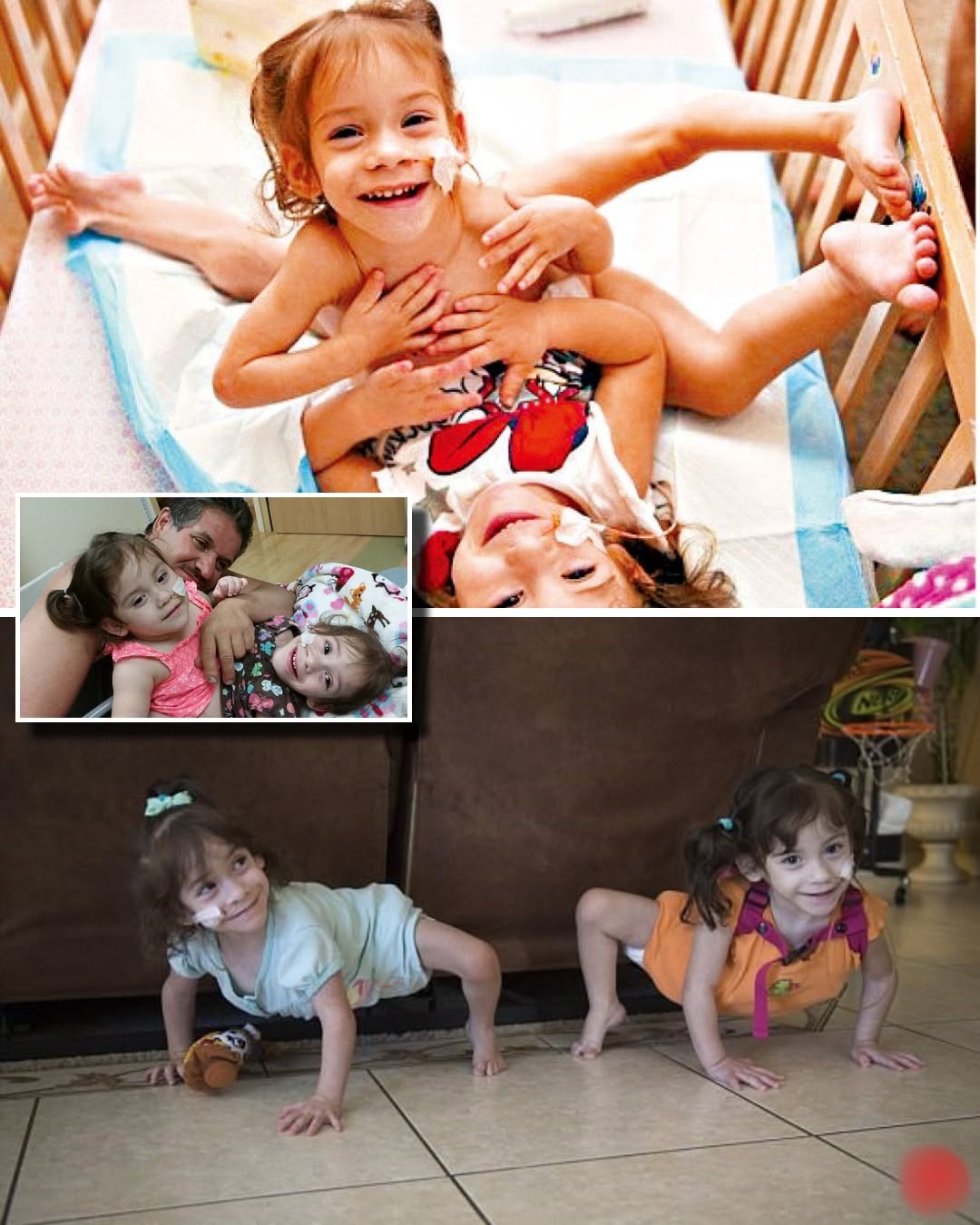
Erika and Eva Sandoval were born in August 2014 at Lucile Packard Children’s Hospital Stanford, joined from the chest down—omphaloischiopagus twins with a shared liver, bladder and parts of the gut, and three legs between them. Eva grew faster and pulled her sister when they played. Doctors put the risk of losing one or both at about 30 percent if they tried to separate.
On 6 December 2016, when the girls were two, a team of about fifty spent roughly seventeen hours dividing them. Lead surgeon Gary Hartman made the last separating cut in the afternoon; Eva was wheeled into another theatre—the first time they had occupied different rooms. Tissue from the third leg helped close Erika’s wound. Each child kept one kidney and one functional leg. Tissue expanders had been inflating for months so there would be skin to cover two bodies.
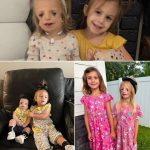
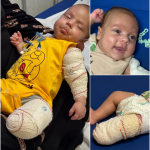
They left Packard in March 2017 for rehabilitation at UC Davis, then home to Antelope, California. By autumn they were scooting on three limbs, talking, and healing with only minor revisions. Later photographs—the girls doing push-up walks on a tiled floor, smiling with NG tapes still on their cheeks—are the public proof that two separate children came out of one operation.
Shared organs and a third limb make ischiopagus twins among the harder separations. Stanford had planned the case since prenatal referral. The Spanish caption matches the hospital record: 17 hours, fifty professionals, one leg and one kidney each, school-age development afterward. What surgery cannot invent is a second set of legs. What it did invent, on one December day, was two beds instead of one.
Sources
- Stanford Medicine / Lucile Packard Children’s Hospital: December 2016 separation, Dr Gary Hartman
- Sacramento Bee / Mercury News, December 2016–March 2017
- Stanford Children’s Health blog, October 2017: home, scooting, speech
- Parents Aida and Arturo Sandoval