CHRISTA PIKE’S LAWYER SAYS SHE IS NOT THE SAME PERSON SHE WAS AT 18 AS EXECUTION DATE APPROACHES

Nearly three decades after Christa Pike was sentenced to death for the 1995 killing of fellow Job Corps student Colleen Slemmer, her attorneys are making a final effort to stop the execution.
Pike is now 50 years old.
She was 18 when Slemmer was killed in Knoxville, Tennessee.

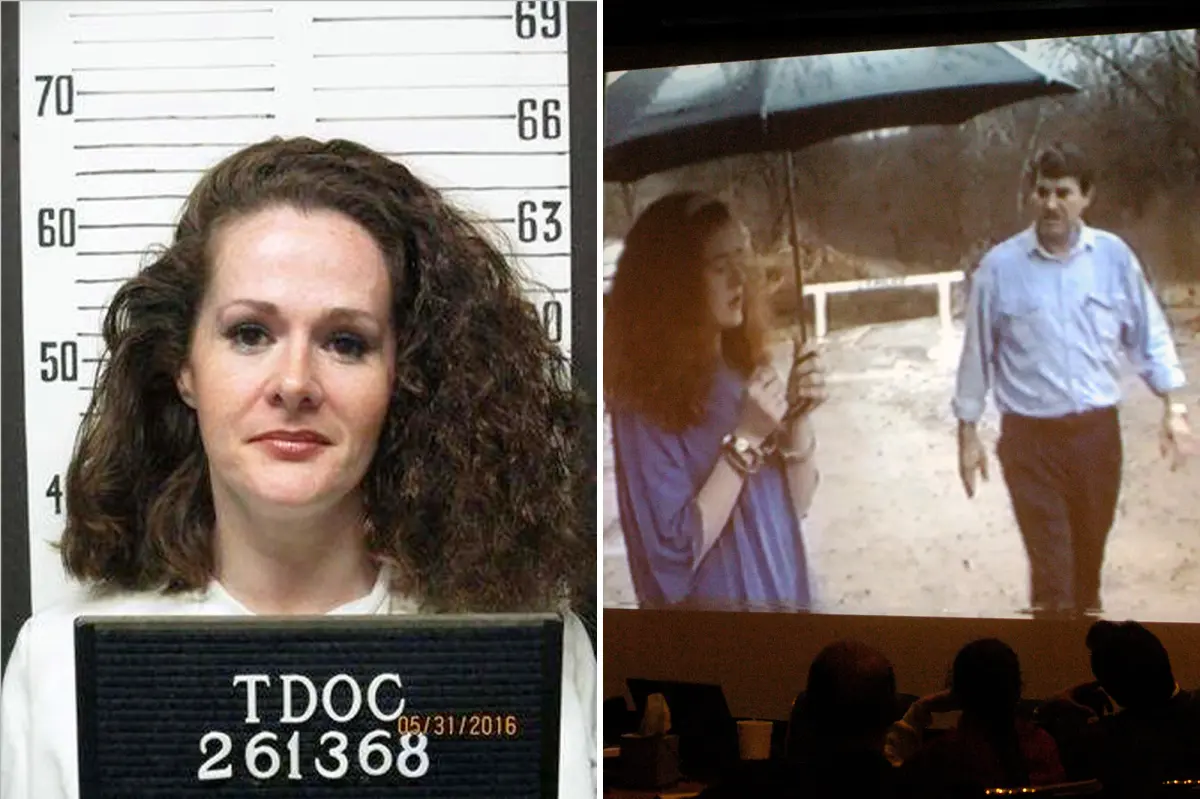
Her attorney, Stephen Ferrell, argues that the woman facing execution today is fundamentally different from the teenager who committed the crime and that her life history, psychological development and years in prison should be considered before Tennessee carries out the sentence.
Pike is currently scheduled to be executed by lethal injection at 10 a.m. CDT on September 30, 2026. If the execution proceeds, she would become the first woman executed by Tennessee in more than two centuries.

A CASE THAT BEGAN WHEN PIKE WAS 18
Pike was convicted in connection with the 1995 killing of 19-year-old Colleen Slemmer, whom she knew from the Knoxville Job Corps program.
Prosecutors said Pike and two other young people were involved in Slemmer’s killing.
Pike was convicted of first-degree murder and conspiracy to commit murder and received a death sentence.
Her co-defendants received different sentences.
Tadaryl Shipp, Pike’s boyfriend at the time, was 17 and received a life sentence. Shadolla Peterson, who was 18, testified against Pike and Shipp and received probation.
Pike has remained on Tennessee’s death row ever since.

HER ATTORNEY SAYS THREE DECADES HAVE CHANGED HER
Ferrell’s argument centers partly on the passage of time.
Pike was a teenager when the crime occurred. She is now 50 and has spent decades in prison.
Her legal team argues that the person who committed the crime at 18 should not be viewed as identical to the woman who exists today.
The defense has also presented evidence about Pike’s childhood and adolescence, including allegations of extensive sexual abuse, trauma and untreated mental-health problems.
Those issues are central to the clemency request.
Her attorneys are asking Governor Bill Lee to commute her death sentence to life imprisonment without the possibility of parole.
The clemency petition reportedly runs 226 pages and presents evidence the defense says should be considered before any execution takes place.
THE DEFENSE IS NOT ASKING FOR RELEASE
The request for clemency does not ask that Pike be released from prison.
Instead, her attorneys are asking the governor to replace the death sentence with life without parole.
That distinction is important because Pike would remain incarcerated for the rest of her life if the request were granted.
Governor Lee has the constitutional authority to grant clemency in Tennessee, making his decision a potentially decisive step before the scheduled execution date.
As of the latest reporting, the execution remains scheduled for September 30.

THE LEGAL TEAM HAS ALSO CHALLENGED TENNESSEE’S EXECUTION PROCEDURE
The clemency petition is not the only legal effort underway.
Pike’s attorneys have separately challenged Tennessee’s lethal-injection protocol.
The challenge followed the state’s May 2026 execution of Tony Carruthers, which defense attorneys characterize as a botched execution.
Pike’s lawyers have raised concerns about whether Tennessee can safely carry out her execution given her individual medical circumstances.
A multi-day evidentiary hearing was held in August before Special Master W. Mark Ward, who was appointed by the Tennessee Supreme Court to examine issues surrounding Pike’s challenge.
Among the issues examined were Pike’s medical condition, the accessibility of her veins, potential complications associated with the injection procedure and the psychological impact of the execution process.
The state has disputed the defense’s arguments, maintaining that Pike’s veins can be accessed and that its protocol can render her unconscious before serious pain could be experienced.
A SPECIAL MASTER DID NOT REOPEN THE HEARING
In August, Special Master Ward rejected an emergency request from Pike’s lawyers to reopen the evidentiary hearing.
The defense had raised concerns about a physician they said was expected to participate in the execution and argued that information about the physician’s qualifications should be examined by the court.
Ward declined to reopen the hearing, saying that the physician’s possible participation was not established with sufficient certainty at that point.
The dispute remains part of Pike’s broader legal challenge as her execution date approaches.
THE PSYCHOLOGICAL ARGUMENT IS ALSO SIGNIFICANT
Another issue raised by the defense concerns Pike’s documented history of childhood trauma.
During the August hearing, testimony addressed whether moving Pike to Riverbend Maximum Security Institution and placing her under heightened observation before the execution could retraumatize her because of her history of childhood sexual abuse and PTSD.
The defense has argued that these circumstances create an unusually serious psychological burden.
The state has challenged aspects of those arguments.
The court proceedings therefore involve not only the mechanics of lethal injection but also questions about how Pike’s individual medical and psychological circumstances should be considered under constitutional standards.
TENNESSEE IS PREPARING FOR THE SCHEDULED EXECUTION
While the legal challenges continue, Tennessee officials are proceeding with preparations.
The Tennessee Department of Correction has issued media advisories concerning Pike’s scheduled execution and selected official media witnesses.
The department’s current schedule lists the execution for 10 a.m. CDT on September 30 at Riverbend Maximum Security Institution.
That means Pike’s legal team has only a short window remaining to obtain a stay, clemency or another court order preventing the execution from proceeding.
WHY THIS CASE IS ATTRACTING NATIONAL ATTENTION
Pike’s case has attracted renewed attention because of the age at which she committed the crime and the amount of time that has passed since her conviction.
If the execution goes ahead, Tennessee would carry out the execution of a woman for the first time since 1819.
She would also be the only person executed by Tennessee in the modern death-penalty era for a crime committed at age 18, according to the Death Penalty Information Center.
Her attorneys argue that those circumstances, combined with her history of childhood abuse and decades of incarceration, warrant a different sentence.
Those are arguments made by the defense, not findings that have overturned Pike’s conviction or death sentence.
THE CLOCK IS NOW TICKING
For Christa Pike, the next two weeks could be decisive.
Her attorneys are pursuing clemency from Governor Lee while continuing to challenge aspects of Tennessee’s execution procedure.
Meanwhile, state officials are preparing for the September 30 execution.
The central legal question is no longer whether Pike was convicted for the 1995 killing of Colleen Slemmer — that conviction and death sentence have stood for decades.
The current fight is over whether Tennessee should carry out that sentence now, or whether the governor or courts should intervene based on the circumstances surrounding Pike’s life, her age at the time of the crime, her decades in prison and the defense’s claims regarding her physical and psychological condition.
For now, the official execution date remains September 30, 2026.
And with the deadline rapidly approaching, Pike’s attorneys are making what could be their final effort to change what happens next.
SOURCES
NewsChannel 9 — Christa Pike’s attorney says she is not the person she was at 18