A SUFFOLK VILLAGE THAT ALREADY KNEW GRIEF NOW HAS TO LEARN IT AGAIN
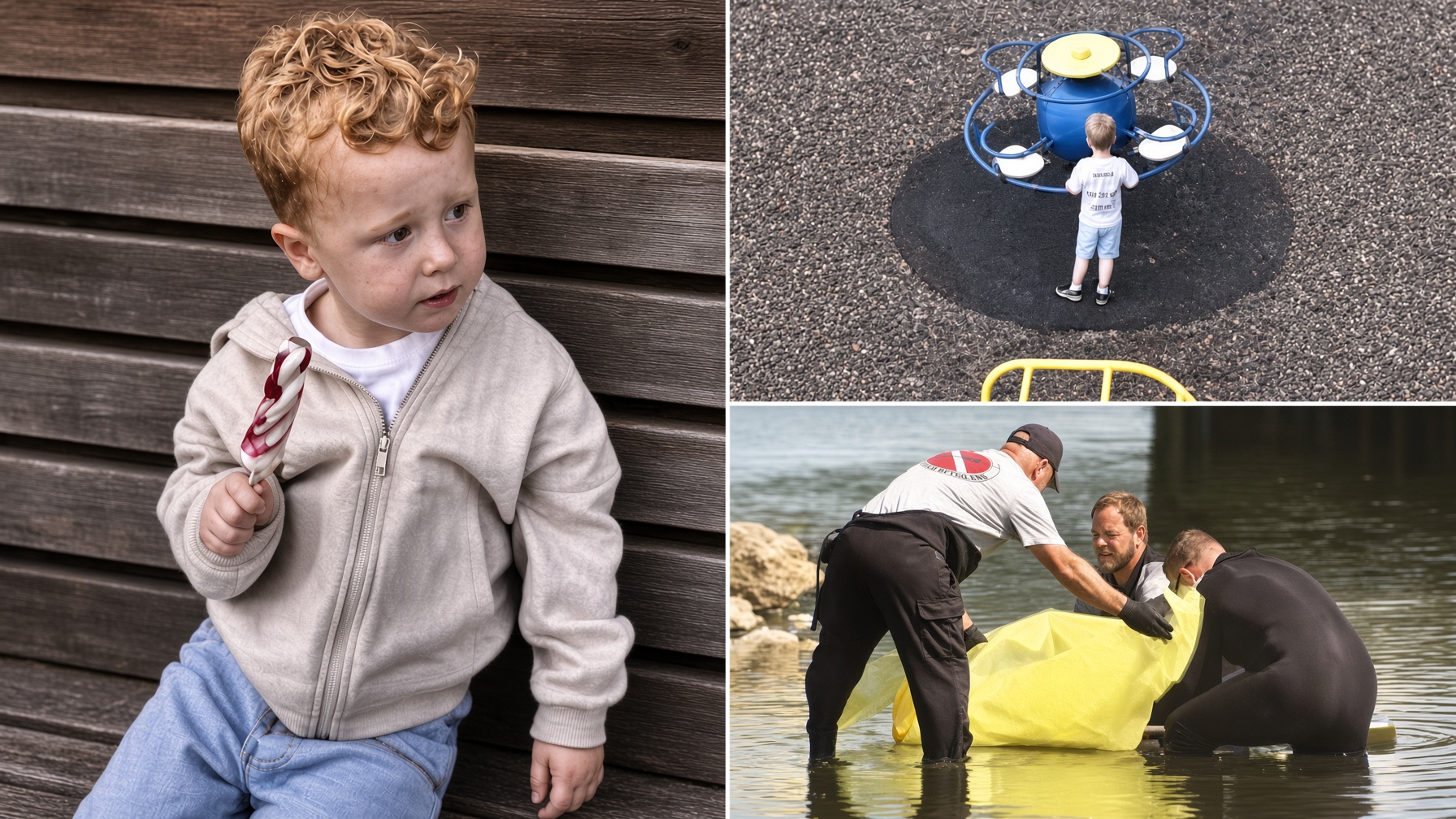
After three-year-old Noah Woods was found dead near a Brantham playground, a small community on the Suffolk–Essex border is trying to live with a search that ended the way nobody wanted.

Brantham, Suffolk
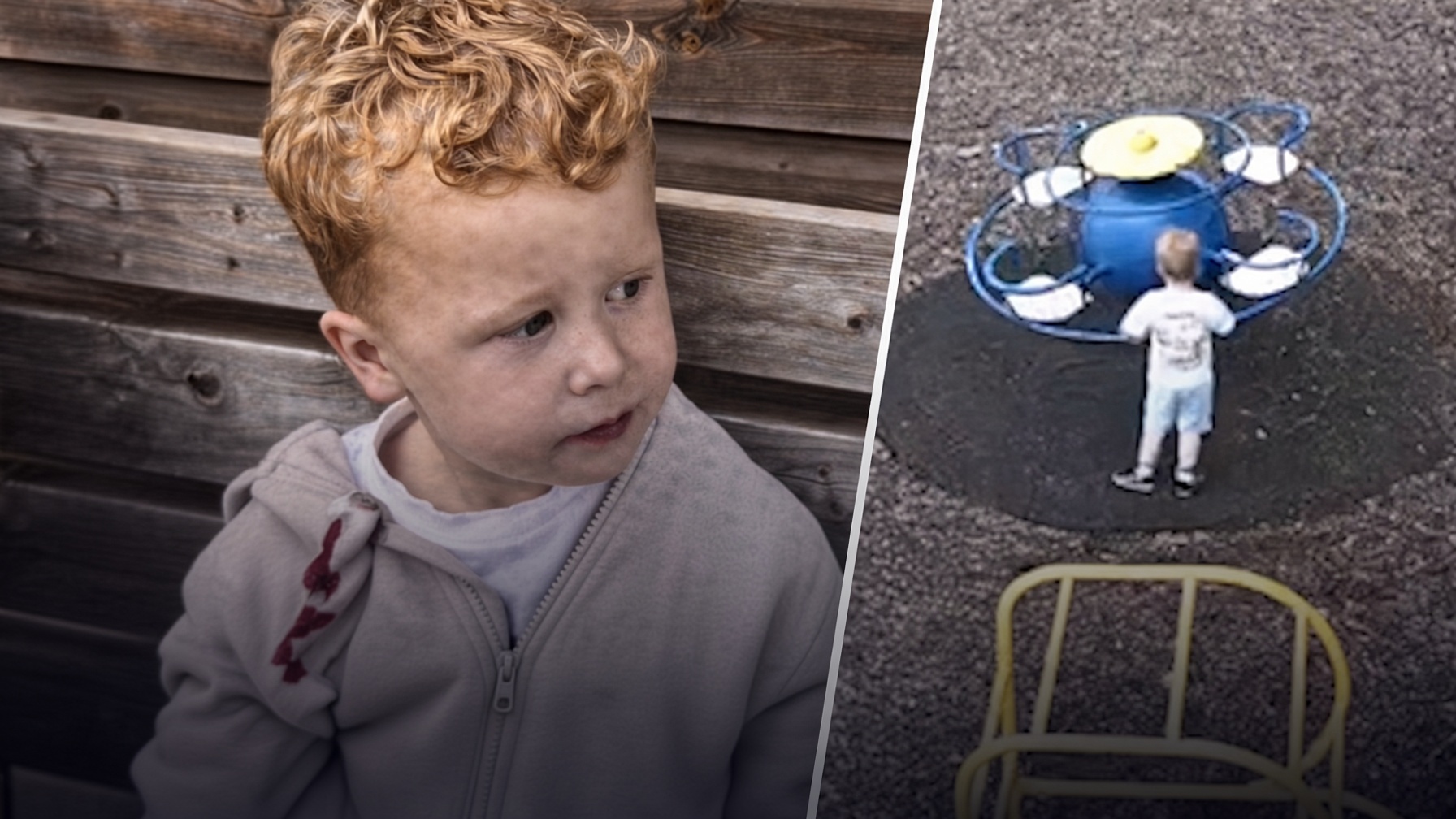
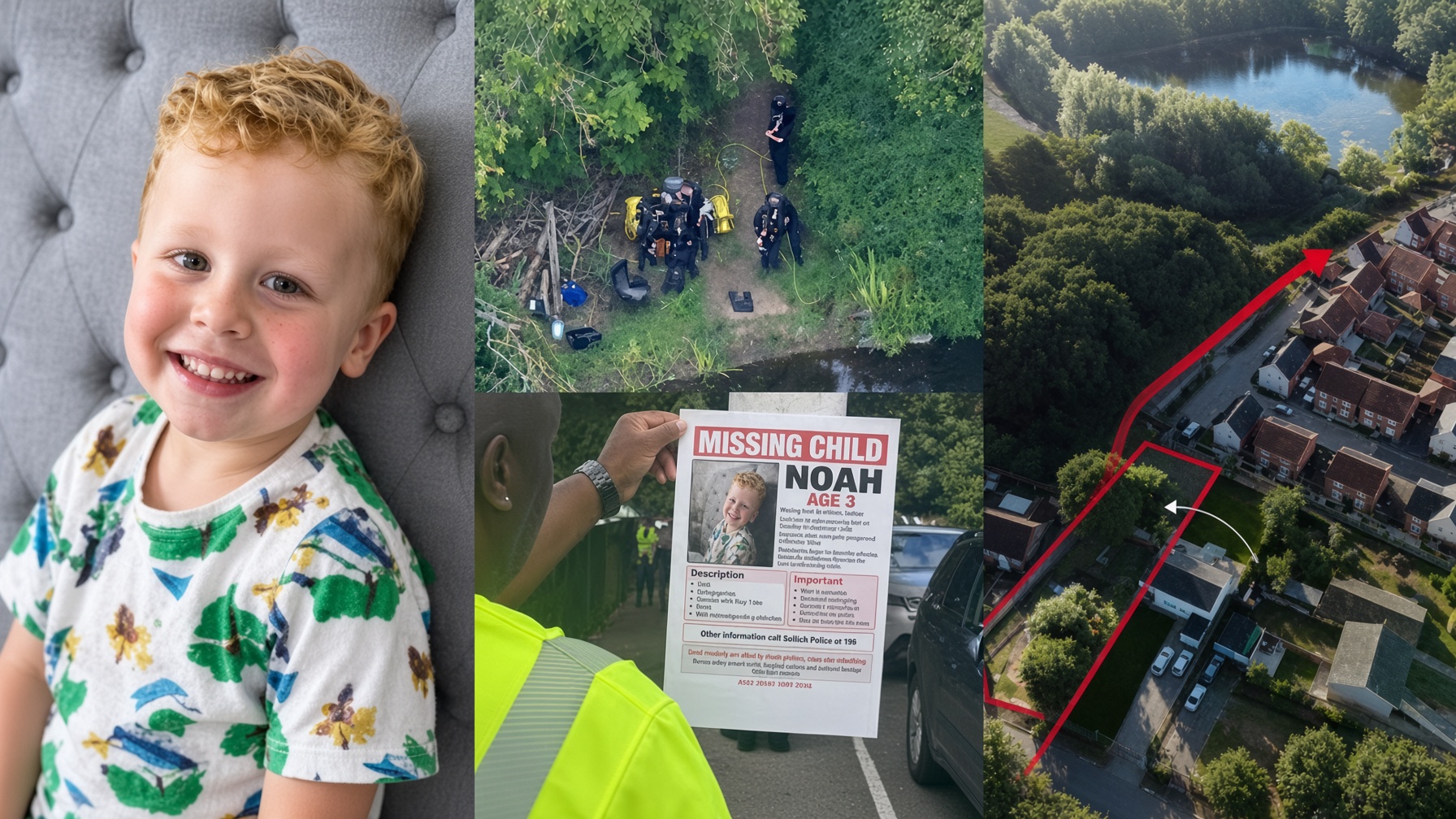
On Tuesday afternoon a three-year-old boy was at a playground in Brantham. Then he was not. By the next day a child’s body had been recovered from a pond close to the village. The boy was Noah Woods. His family have called him the sweetest and most innocent little boy, and said he will be missed forever. Those two sentences are almost the whole of what the public is entitled to keep of him. The rest is what a village did when hope was still possible, and what it must do now that it is not.
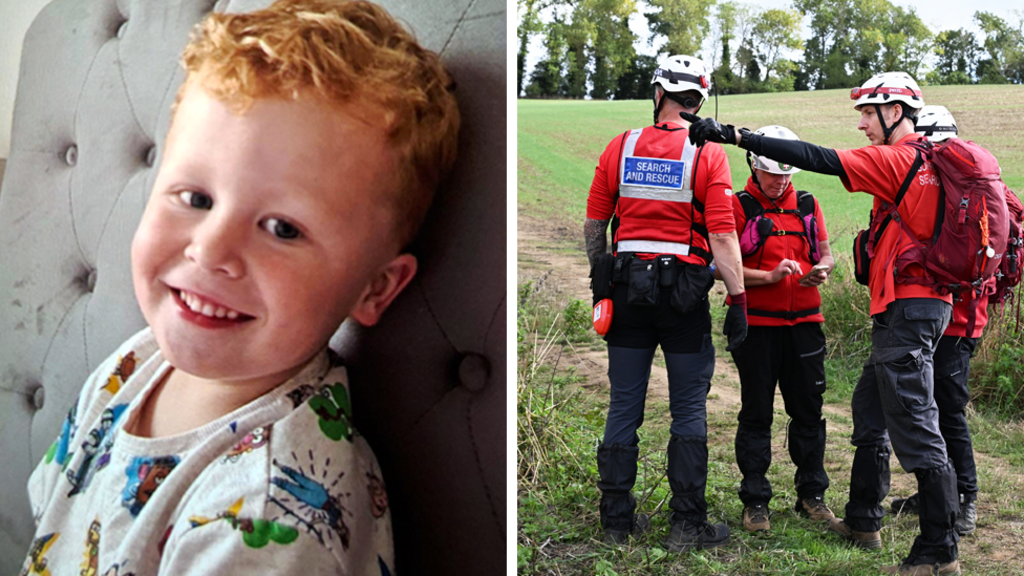
Noah became separated from a relative at about 3pm. He was non-verbal and partially deaf, which made the search harder in the most practical ways: a child who cannot easily answer a shout, who may not hear the people calling his name. Hundreds came anyway. Then more than a thousand. People travelled from as far as Birmingham and Hampshire. Helicopters, dog units, neighbours, strangers. The leisure centre became a briefing hall. Updates were given. Volunteers stood in that particular silence that only exists when everyone is still pretending the ending might be kind.
It was not.
James Cartlidge, the MP for South Suffolk, was with the volunteers when police delivered the news. He said it was hard to watch because they were already in deep grief, and that grief would remain. That is the honest part of public life after a child’s death: the cameras leave, the helicopters leave, and the village still has to walk past the same playground, the same pond, the same road home.
Brantham is not a large place. About 2,600 people. It is the sort of community that can still be described, without irony, as a place with history and strength. It has had to use that sentence before. In July 2024, Anita Rose, 57, was attacked while walking her dog and died three days later. Her killer was a violent offender already known to the system. For months the village lived inside a different kind of dread — the knowledge that someone capable of that violence had been among them, then the long wait for an arrest. When police and media poured back into Brantham this week, some residents will have felt the earlier week return in their bodies before they had language for it.
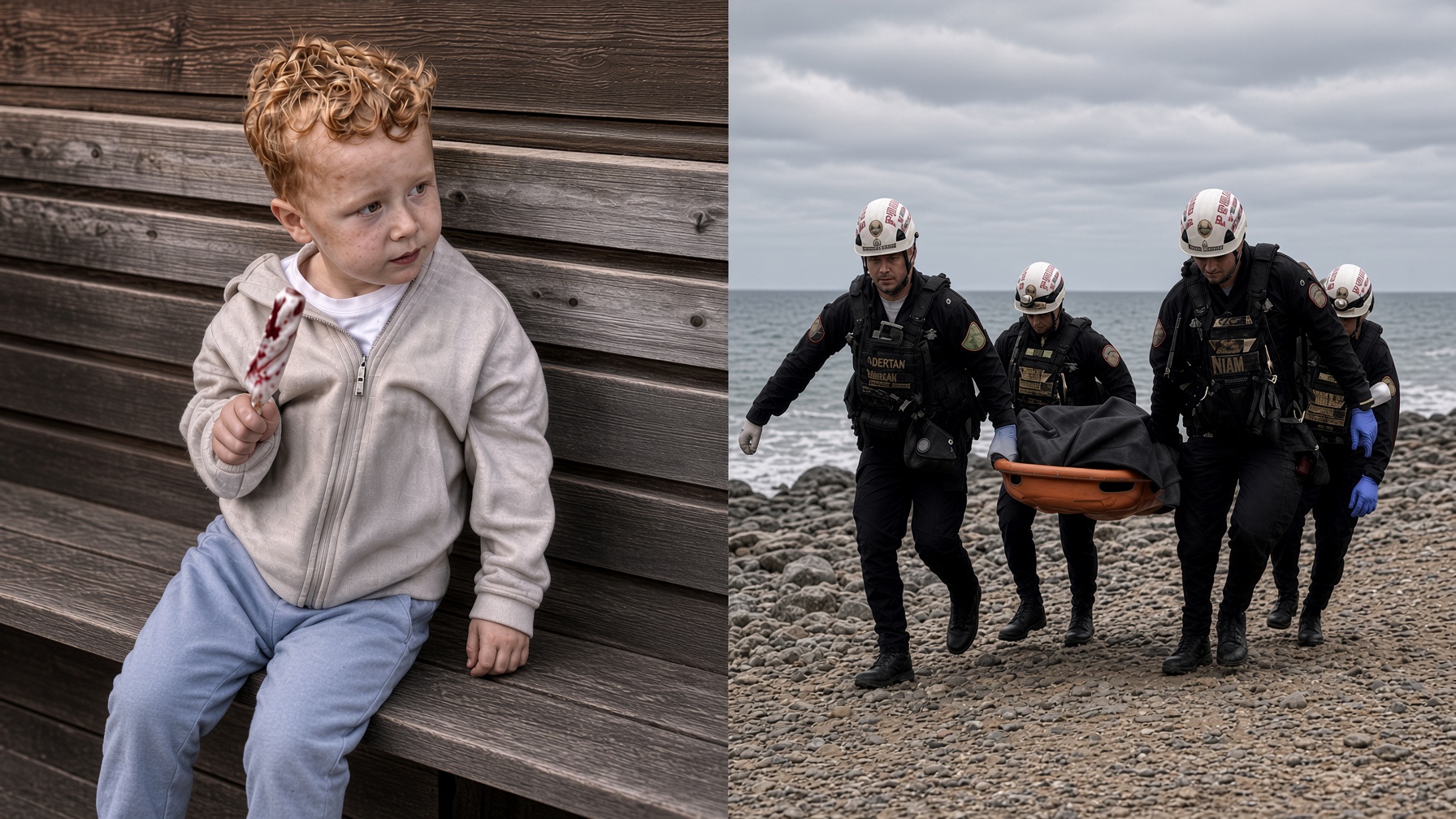
Rev Chris Willis, rector of St Michael’s, put the two losses in one frame without pretending they were the same event. This is a community that knows tragedy, he said, and has had to contend with it in recent years. His first impression of the search was love. He believes that will continue. Parish council chairman Mal Bridgeman was less certain that “coming to terms” is even the right phrase. Noah, he said, will live in the memory of everybody. Emotions will quieten. People will find their own pace. The clerk, Sarah Keys, described the particular cruelty of a volunteer search: people felt hopeful and useful, then discovered there was nothing left for usefulness to do. Devastating, she said — and still, somehow, a reminder that Brantham can show up.
That double feeling is the real subject of the week. A community can be proud of its response and wrecked by the outcome at the same time. Canon Yvonne Tulloch, who founded the bereavement charity Ataloss after her husband’s death, has spent years saying Britain is bad at grief. We prefer the story in which we all live to old age. When a child dies nearby, the story cracks. Parents feel the near-miss in their own kitchens. People who searched feel they failed. People who did not search feel they should have done more. Tulloch’s point is unfashionable and necessary: most people made a reasonable choice with the information they had. Guilt is not proof of love. It is often only proof that the mind needs someone to punish.
She also said the family will need a balance the public is not good at offering — support without siege. Do not isolate them because you are afraid of the wrong sentence. “I’m sorry. I care.” That is enough. Sometimes it means more from a stranger than from someone who knew the child, because a stranger is not asking the family to manage their feelings as well as their own.
Annie Owen, a Samaritan volunteer in Ipswich and East Suffolk, said the modern flood of tragedy can numb people until a case like this arrives and there is nowhere to put the reaction. A small boy. A playground. A pond. An ending that does not give the mind a villain to hold. In the absence of a trial, grief looks for a job. It rarely finds one that fits.
Noah’s father, Rhys Woods, of nearby East Bergholt, thanked the people who searched. Their compassion, he said, would never be forgotten, and it brought comfort and strength at the darkest time of their lives. That is the sentence a village should keep, if it keeps only one. Not the numbers. Not the helicopters. The fact that when a child went missing, more than a thousand people decided the afternoon was no longer theirs.
There will be flowers by the playground. There will be a funeral. There will be a period when every parent in Brantham holds a hand a little tighter at the park, then a period when some of them feel guilty for laughing again. That is not callousness. That is how a living place survives a death it cannot fix.
A village familiar with tragedy does not become expert at it. It only becomes practised at the next ordinary morning: the school run, the shop, the church door, the decision to speak to the family or to leave them alone. Noah Woods was three. He should have had the long, boring gift of growing up in Suffolk. He did not. The people who looked for him cannot change that. They can only refuse to let the last public fact about him be the pond. The last public fact can still be this: when he was lost, a whole county tried to bring him home.