Why a new Pakistan-China border pact has irked India
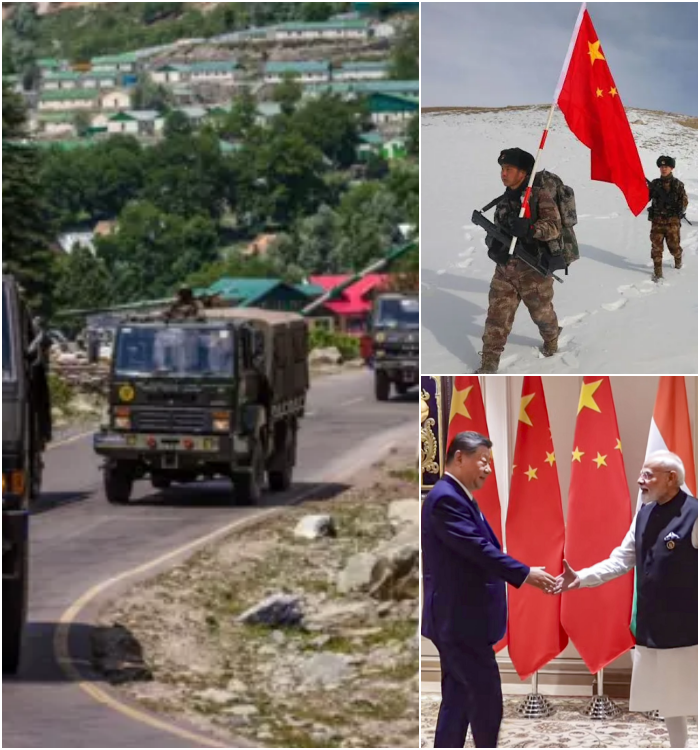
For decades, India has refused to recognise any Pakistan–China boundary running through territory it claims as its own. Last week, Islamabad and Beijing took a step toward institutionalising one — and New Delhi responded sharply.
Pakistan and China operationalised the Pakistan-China Boundary Joint Commission after its inaugural meeting in Islamabad. Pakistan described the step as a “significant milestone” that would deepen cooperation on border management, joint surveys, trade, and people-to-people connectivity.
India rejected the move as having “no legal basis.” Ministry of External Affairs spokesperson Randhir Jaiswal said there is no recognised boundary between Pakistan and China and that Pakistan has no standing to enter into arrangements concerning Indian territory under what New Delhi calls illegal and forcible occupation. He added that the entire Union Territories of Jammu and Kashmir and Ladakh “have been, are and will always remain integral and inalienable parts of India.”
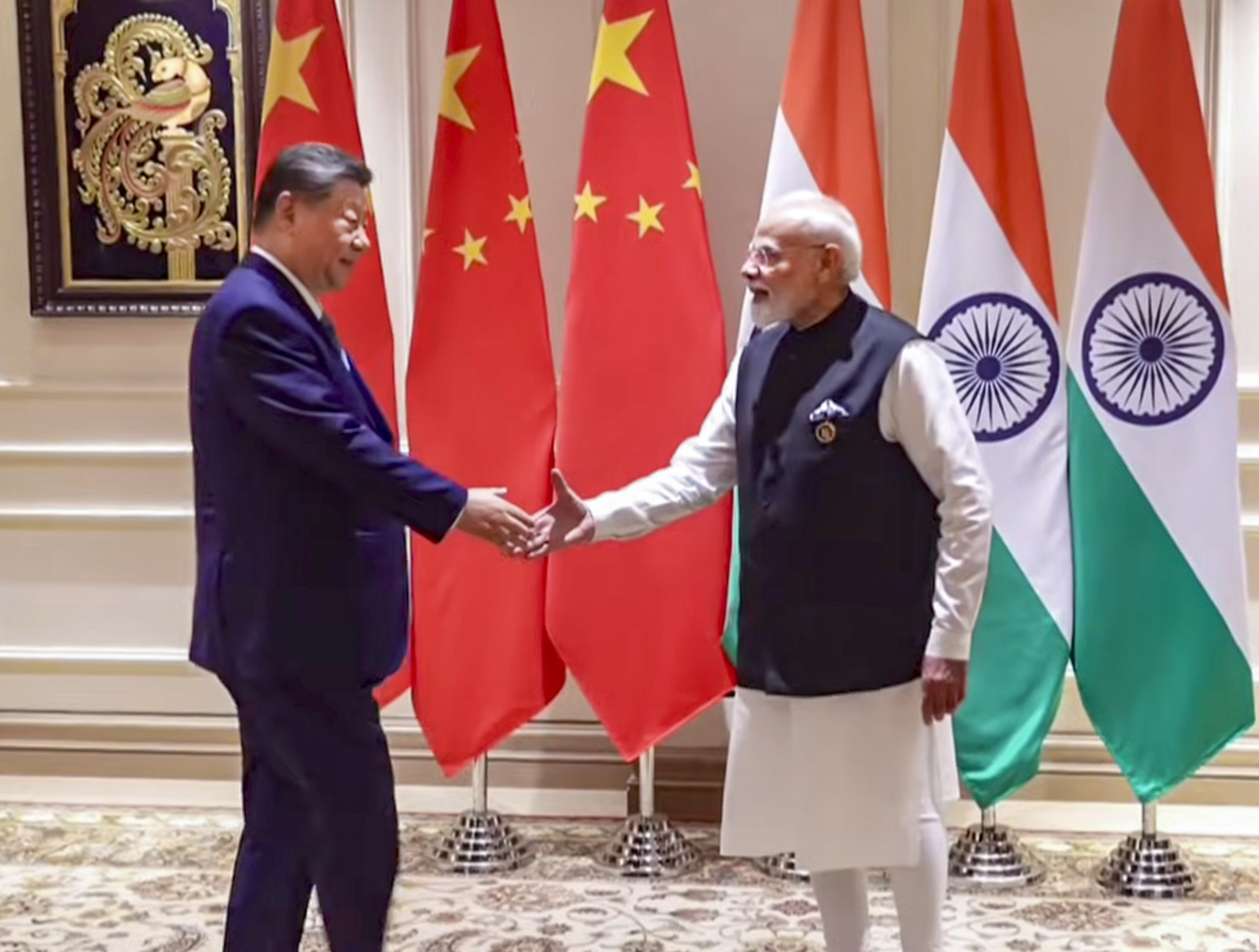
The dispute rests on the 1963 China-Pakistan Boundary Agreement. Under that pact, Pakistan transferred control of the Shaksgam Valley — about 5,180 sq km north of the Karakoram range, next to Gilgit-Baltistan and close to Siachen — to China. India has never recognised the agreement. It argues the land formed part of the former princely state of Jammu and Kashmir, that Pakistan occupied it after 1947–48, and that Pakistan therefore had no right to cede it. New Delhi has consistently called the 1963 deal illegal and invalid.
The 1963 text itself included language that the boundary could be reopened after the Kashmir dispute between India and Pakistan was settled. India has long pointed to that clause as evidence the arrangement was never a final settlement from its perspective.
The timing added to the sensitivity. India and China have been trying to stabilise ties after years of military tension along the Line of Actual Control. Around the same period, Beijing and Islamabad moved to deepen institutional cooperation on a neighbouring stretch of frontier that India also claims. New Delhi sees any such mechanism as treating occupied territory as settled and giving greater form to Chinese-Pakistani activity there.
Pakistan’s position is that Jammu and Kashmir remains disputed territory, so India has no standing to challenge the 1963 agreement. China and Pakistan present the commission as a practical tool for managing an existing frontier rather than a new territorial claim.
For India the issue is sovereignty, not only surveys or trade. Any arrangement that treats the 1963 line as settled, or that allows Pakistan to negotiate over land New Delhi considers under illegal occupation, is viewed as an attempt to alter the status of those territories. That is why the new commission drew an immediate public rejection.