CALEB FLYNN TRIAL TAKES NEW TURN AS FORMER MISTRESS TESTIFIES ABOUT 107,000 MESSAGES
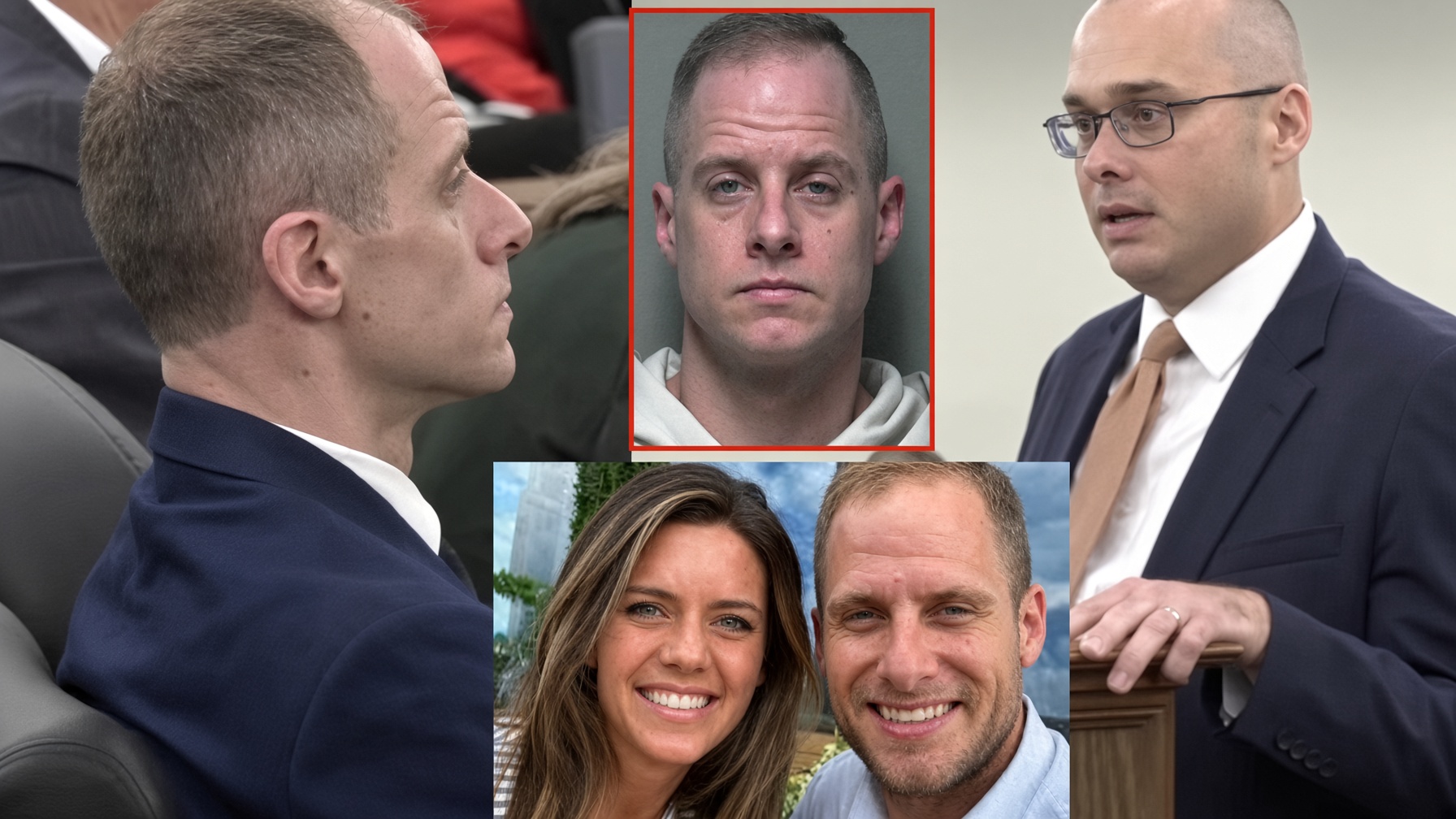
The murder trial of former “American Idol” contestant Caleb Flynn entered another dramatic phase Thursday as his former mistress spent hours on the witness stand discussing their relationship, their plans for the future and thousands of messages exchanged before his wife’s death.
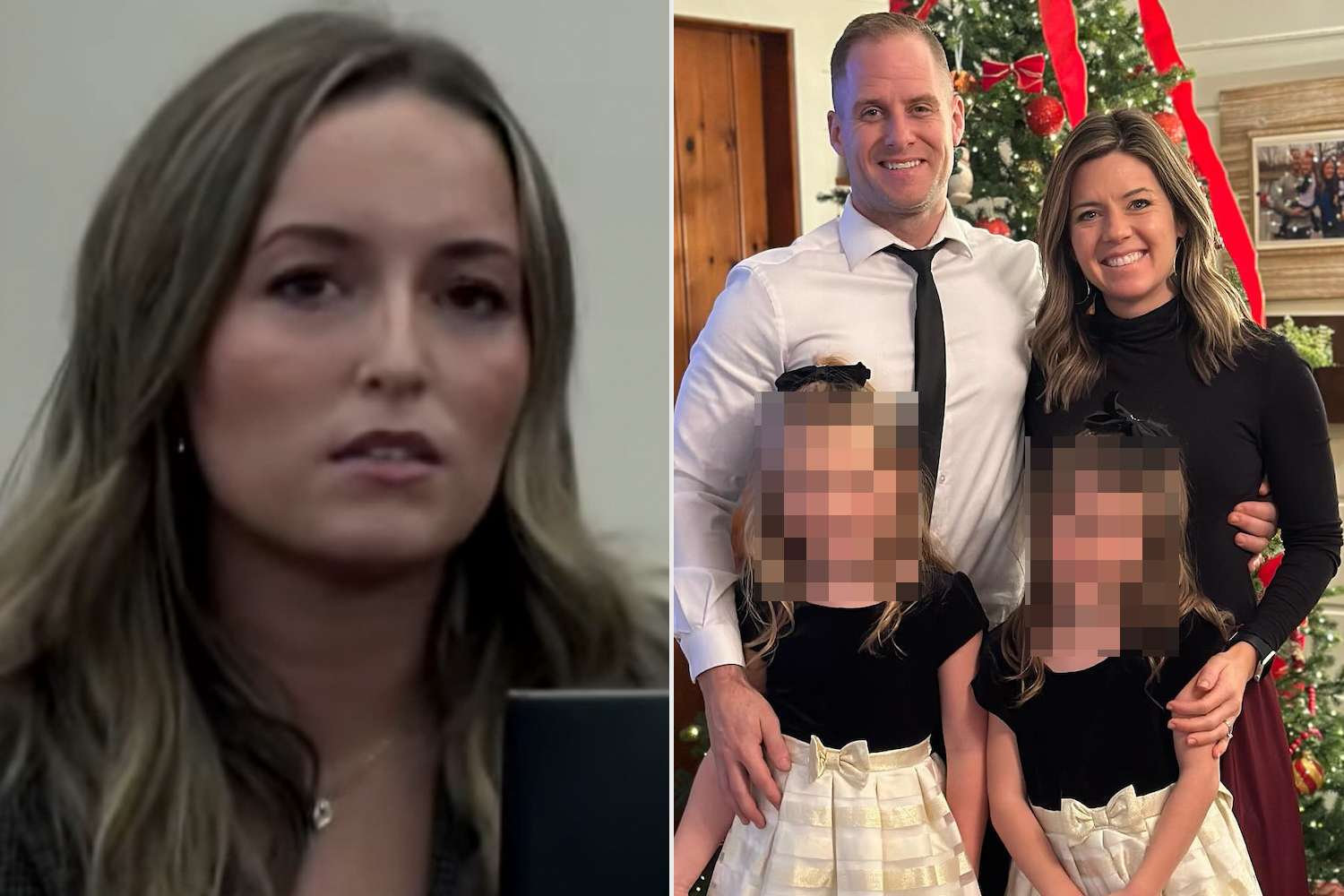
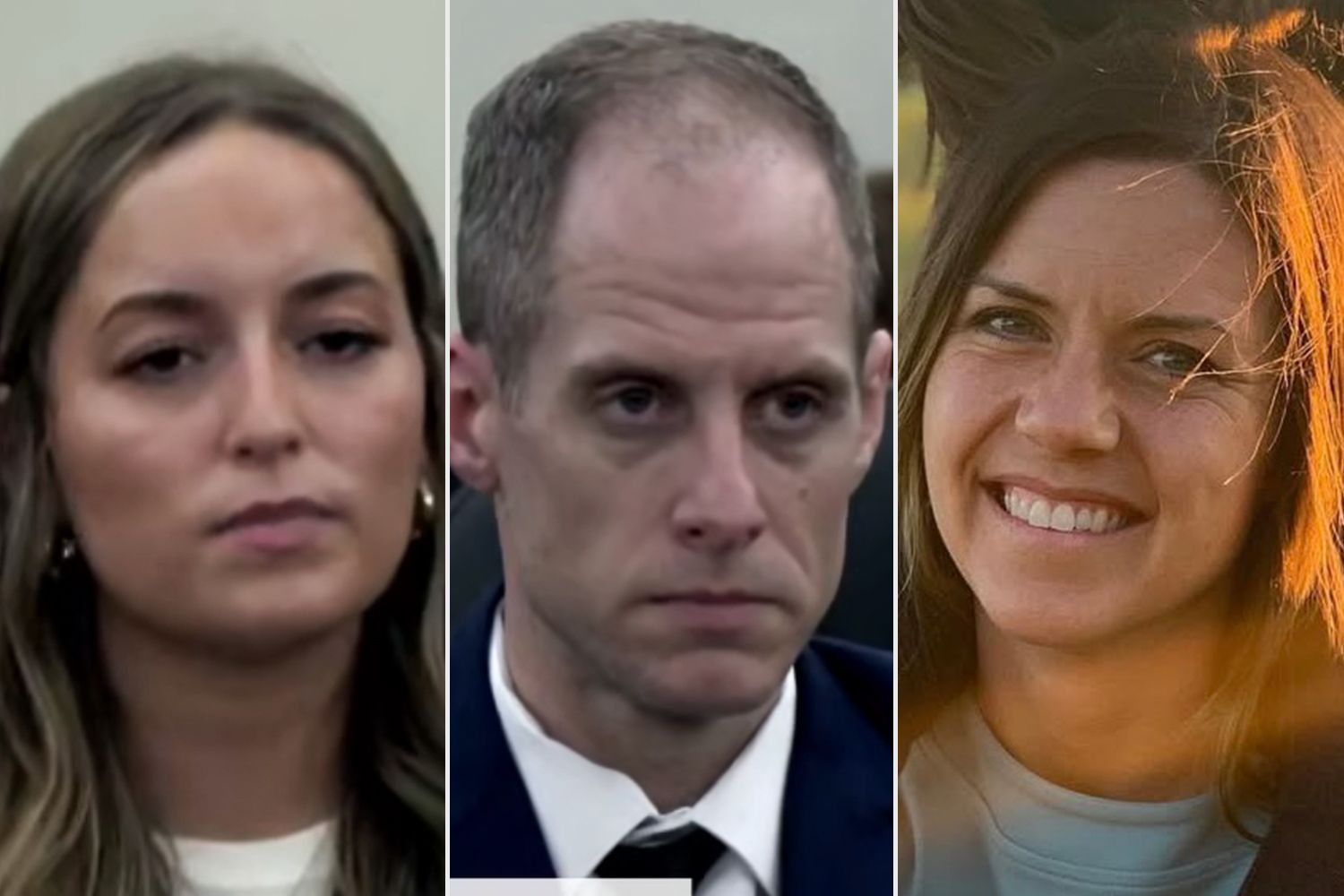
Alleigha Botner, 24, returned to court in Miami County, Ohio, for a second day of testimony as prosecutors presented a massive collection of communications between her and Flynn.
The messages, organized into 34 binders and containing roughly 107,000 texts, have become a central part of the prosecution’s case as prosecutors attempt to establish a motive and argue that Flynn planned the killing of his wife, Ashley Flynn.
Flynn, 40, has pleaded not guilty to aggravated murder, murder, felonious assault and tampering with evidence.
His defense has acknowledged that Flynn was unfaithful to his wife and exchanged the messages with Botner, but argues that infidelity and disturbing statements do not prove he committed the crime. The defense has also emphasized that the firearm allegedly used in Ashley Flynn’s killing has never been recovered.
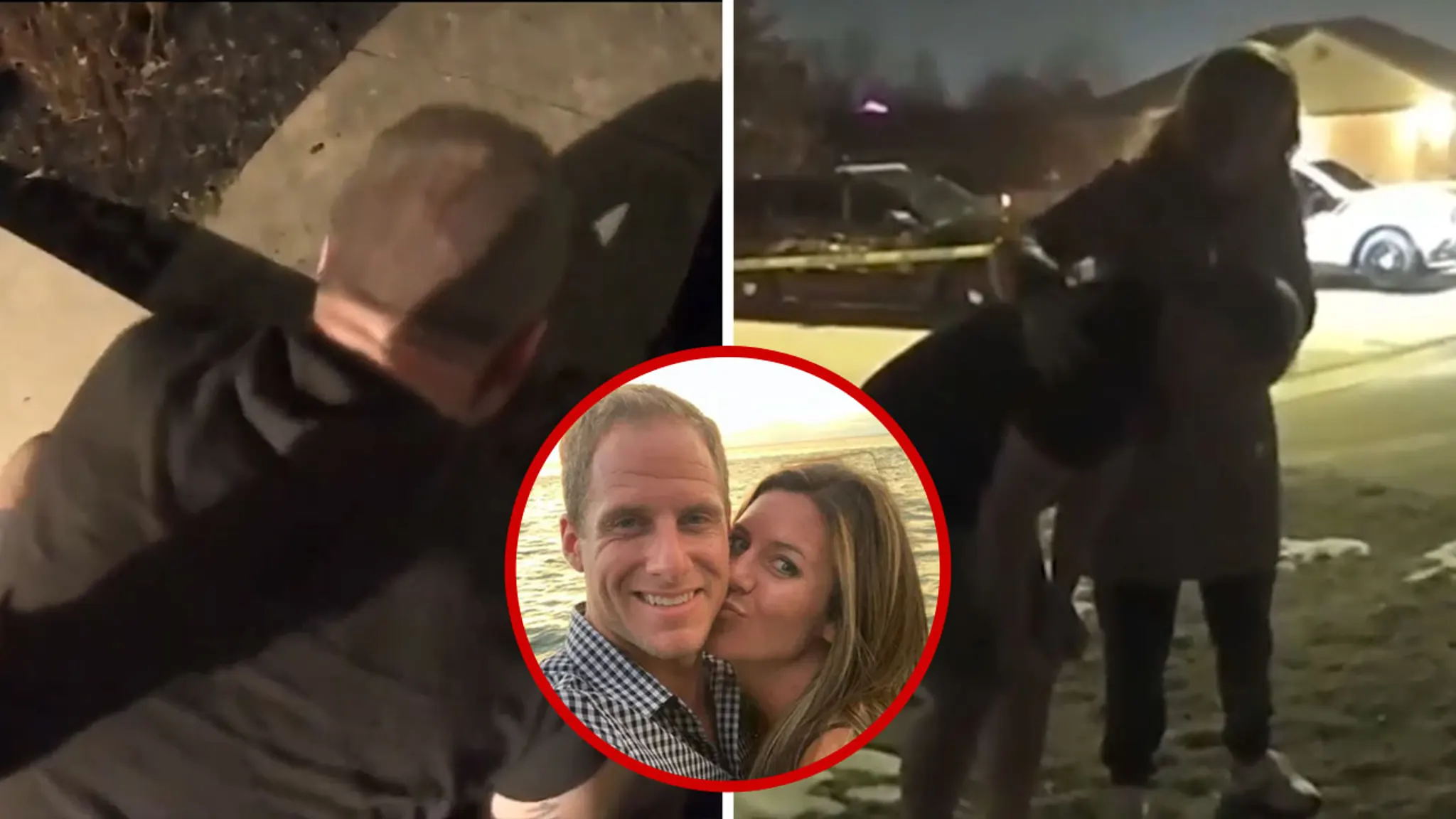
THE AFFAIR AT THE CENTER OF THE TRIAL
Botner testified that she first met Flynn while working as an intern at the church where he was involved in worship ministry.
Their relationship eventually became romantic and sexual in 2024, despite Flynn being married to Ashley.
According to Botner’s testimony, the relationship lasted roughly a year and a half. The pair discussed the possibility of getting married and repeatedly talked about Flynn leaving his wife.
The prosecution has presented those conversations as important evidence of a possible motive.
Prosecutors allege Flynn wanted to end his marriage so he could be with Botner, and that the affair became intertwined with his alleged plans concerning Ashley.
The defense, however, has challenged the interpretation of the messages and questioned whether statements made during the relationship represented actual intentions or emotional conversations between two people involved in a complicated affair.
DISTURBING TEXT MESSAGES
Some of the most significant testimony involved messages in which Flynn allegedly discussed ways his wife could be harmed.
According to prosecutors, Flynn sent Botner a message in August 2025 saying he had stayed awake thinking about ways to kill Ashley without going to prison.
Other messages shown in court allegedly contained similar statements.
Botner also acknowledged that she herself made comments about wanting Ashley gone, but testified that she ultimately meant that Flynn should divorce his wife rather than physically harm her.
During cross-examination, defense attorneys questioned Botner about the context of the messages and whether Flynn’s statements should be interpreted literally.
Botner testified that she did not initially believe Flynn was capable of carrying out such an act.
That distinction became an important part of her testimony.
Botner told the court that although she heard Flynn make disturbing statements about his wife, she did not believe at the time that he would actually act on them.
She now says she believes Flynn was responsible for Ashley’s death.
WHAT HAPPENED ON FEBRUARY 16?
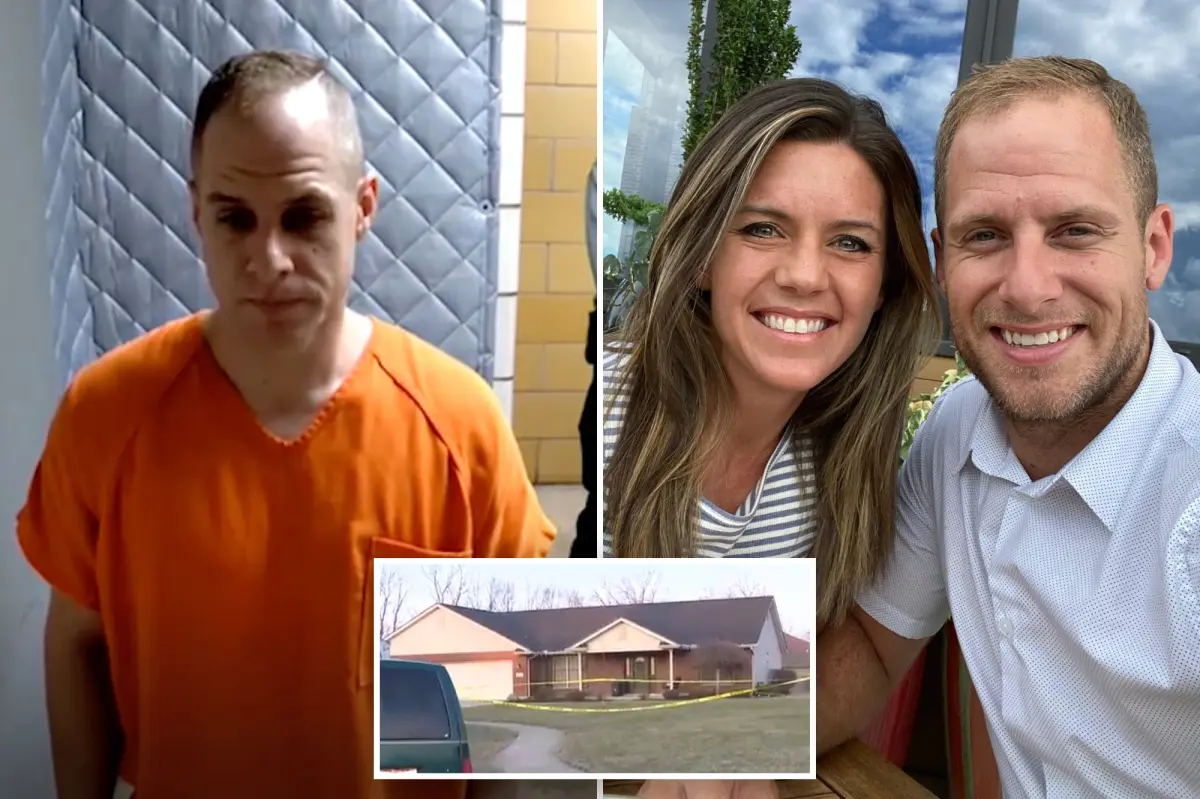
Ashley Flynn was found fatally wounded inside the family’s home in Tipp City, Ohio, during the early morning hours of Feb. 16.
Flynn called 911 and reported that an intruder had entered the house and that his wife had been attacked.
Prosecutors now argue that this account was false.
According to the prosecution, Flynn was responsible for Ashley’s death and then attempted to make the home appear as though someone else had entered and committed the crime.
Prosecutors allege Ashley was shot twice in the back of the head while she was in bed and that the couple’s two daughters were asleep inside the home.
Flynn has maintained his innocence and has disputed the prosecution’s version of events.
THE MISSING FIREARM
One of the major issues raised by the defense is the absence of the firearm prosecutors believe was used.
The gun has not been recovered.
Defense attorneys have argued that this is a significant gap in the state’s case and that jurors must decide whether prosecutors have enough evidence to establish Flynn’s guilt beyond a reasonable doubt.
The defense has also argued that investigators focused too quickly on Flynn after initially responding to the home and that the prosecution’s case relies heavily on circumstantial evidence.
Flynn’s attorneys have stressed that cheating on his wife and sending disturbing messages may reflect deeply troubling behavior, but they say those facts alone cannot establish that he committed the killing.
BOTNER ALSO ADMITTED DELETING MESSAGES
Botner’s testimony was not entirely favorable to the prosecution.
She acknowledged that she deleted messages after learning Ashley had been found dead.
She also admitted that she initially lied to the FBI about her relationship with Flynn.
Botner explained that she was afraid the affair would become public and damage her reputation and employment.
She eventually hired an attorney and later returned to investigators to provide additional information.
Her admission that she deleted evidence and initially misled investigators gives the defense an opportunity to challenge her credibility before the jury.
A DIFFERENT ACCOUNT OF FLYNN’S STORY
Another significant point in Botner’s testimony concerned what Flynn allegedly told her after Ashley’s death.
Botner testified that she met Flynn later that day at his in-laws’ home, where members of their church had gathered.
According to her testimony, Flynn told her that he had been sleeping on a couch when he heard a gunshot, then discovered the garage-side door open and found Ashley in the bedroom.
She said Flynn described seeing blood and told her he would never forget what he had witnessed.
But prosecutors pointed to differences between that account and statements Flynn allegedly gave investigators about where he was when the shooting occurred.
The prosecution argues that such inconsistencies are evidence that Flynn was attempting to construct an explanation for what happened inside the home.
The defense disputes the state’s interpretation of Flynn’s actions and statements.
THE MORNING OF ASHLEY’S DEATH
Botner also testified about the messages exchanged on the morning Ashley was found dead.
After learning that something had happened, she sent Flynn messages asking what was going on and whether he had been involved.
According to her testimony, Flynn did not answer.
She later deleted those messages because she feared investigators would search Flynn’s phone and discover the affair.
Hours later, Botner learned from Flynn that Ashley had supposedly been attacked by an intruder.
Botner told the court that the timing immediately raised questions for her because Flynn had recently been talking about ending his marriage.
She testified that she found it difficult to view the circumstances as an ordinary coincidence.
THE DEFENSE CHALLENGES BOTNER’S INTERPRETATION
During cross-examination, defense attorneys focused on Botner’s own uncertainty about Flynn’s feelings toward Ashley.
Botner acknowledged that Ashley had sent Flynn loving messages and that Flynn sometimes appeared affectionate toward his wife.
She also conceded that Flynn may have exaggerated his negative comments about Ashley in order to reassure Botner during their affair.
At one point, Botner testified that she did not believe Flynn genuinely intended to harm his wife when he made some of the statements presented in court.
That testimony gives the defense a basis to argue that the messages must be considered in their full context rather than treated as straightforward admissions of intent.
FROM ‘AMERICAN IDOL’ TO A MURDER TRIAL
Flynn’s public profile has added another layer of attention to the case.
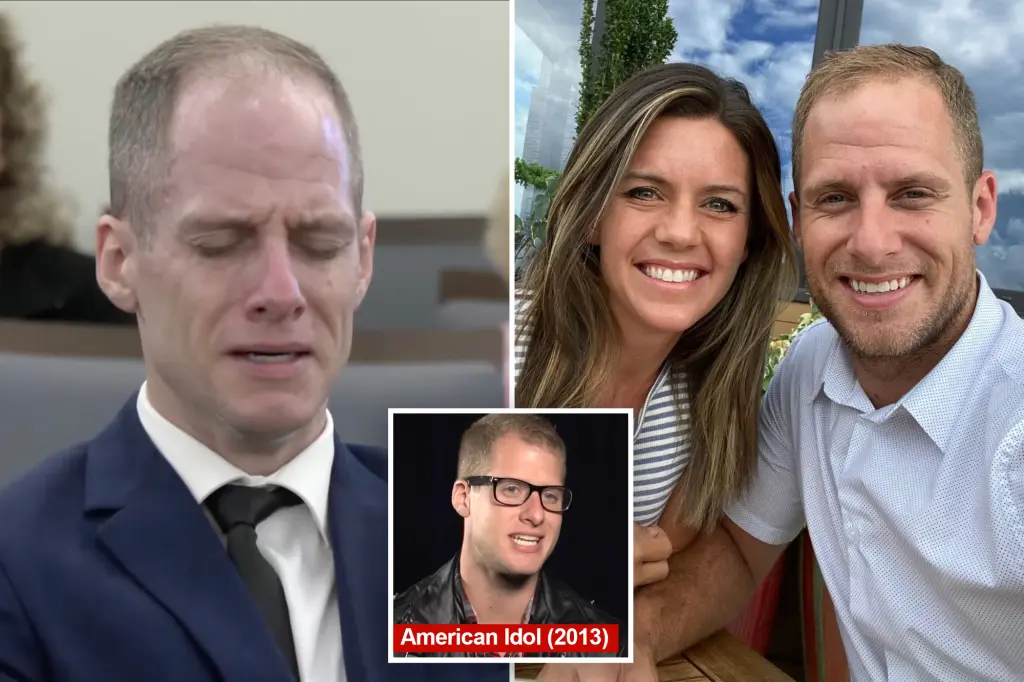
More than a decade ago, he appeared on the 12th season of “American Idol.”
At the time, he spoke publicly about Ashley and described her as someone who encouraged him to pursue his musical ambitions.
Years later, the couple’s relationship would become the focus of a criminal investigation following Ashley’s death.
Flynn later became a church worship leader and pastor, while Ashley was known in her community as a middle school volleyball coach.
The couple had been married for nearly 16 years and had two daughters.
THE CASE REMAINS UNRESOLVED
Despite the extensive testimony and tens of thousands of messages presented to the jury, the trial has not yet reached a verdict.
The prosecution is attempting to prove that Flynn’s relationship with Botner provided a motive and that his communications demonstrate intent.
The defense maintains that the state has not established the case beyond a reasonable doubt and points to the missing firearm and other evidentiary issues.
Flynn remains presumed innocent unless and until the jury reaches a guilty verdict.
The trial is expected to continue with additional witnesses and evidence as prosecutors work through their case.
For now, the courtroom focus remains on what happened inside the Flynn home on Feb. 16 — and whether the extensive digital record between Caleb Flynn and Alleigha Botner can establish what prosecutors say was behind Ashley Flynn’s death.
SOURCES
CNN — Caleb Flynn’s former mistress took the stand at his murder trial