JAMES BULGER’S MOTHER MAKES HER PLEA: Jon Venables’ Parole Hearing Will Still Remain Private
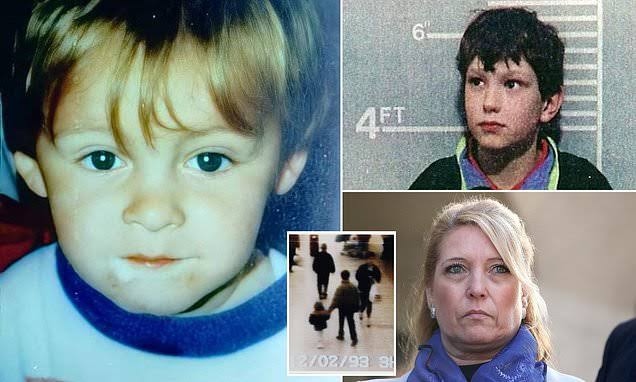
More than three decades after the murder of two-year-old James Bulger, the case of his killer Jon Venables has entered another significant chapter.
Venables, now 44, is preparing for another parole hearing after spending years in custody. But the latest hearing will take place in private, despite a request from James Bulger’s mother, Denise Fergus, for the proceedings to be opened to the public.
The Parole Board has rejected the application for a public hearing, saying that allowing members of the public to listen could make it extremely difficult for Venables to give evidence because of continuing threats to his safety.
The decision has once again placed the balance between public transparency, the rights of victims and the security of prisoners at the center of the discussion.
The Case That Shocked Britain
James Bulger was only two years old when he was abducted from a shopping centre in Bootle, Merseyside, in February 1993.
Venables and Robert Thompson, both aged 10 at the time, were convicted of his murder.
The case became one of the most notorious crimes in modern British history because of the age of both offenders and the circumstances surrounding James’s death.
Venables and Thompson were detained indefinitely in secure accommodation before eventually being released on licence as young adults.
The case did not end with their release, however.
Venables would later return to prison.
Venables Has Been Recalled to Prison Twice
Venables was released on licence in 2001, but he was recalled to prison in 2010 after indecent images of children were found on his computer.
He was subsequently released again in 2013.
In 2017, he was recalled for a second time after again being found in possession of indecent images of children.
That second recall has had major consequences for his subsequent attempts to obtain parole.
He remains in custody.
The Parole Board rejected his previous parole application in 2023, concluding that he still posed a danger to children and could commit another offence.
Another Parole Hearing Is Now Coming
Venables has now reached another stage in the parole process.
His case will be considered at an oral hearing, more than two years after his previous parole bid was rejected.
The hearing is intended to examine whether he can safely be released under licence and what level of risk he would pose if returned to the community.
But unlike the public hearing requested by James’s family and several media organisations, this hearing will remain private.
That decision has disappointed Denise Fergus.
Why Did Denise Fergus Want It to Be Public?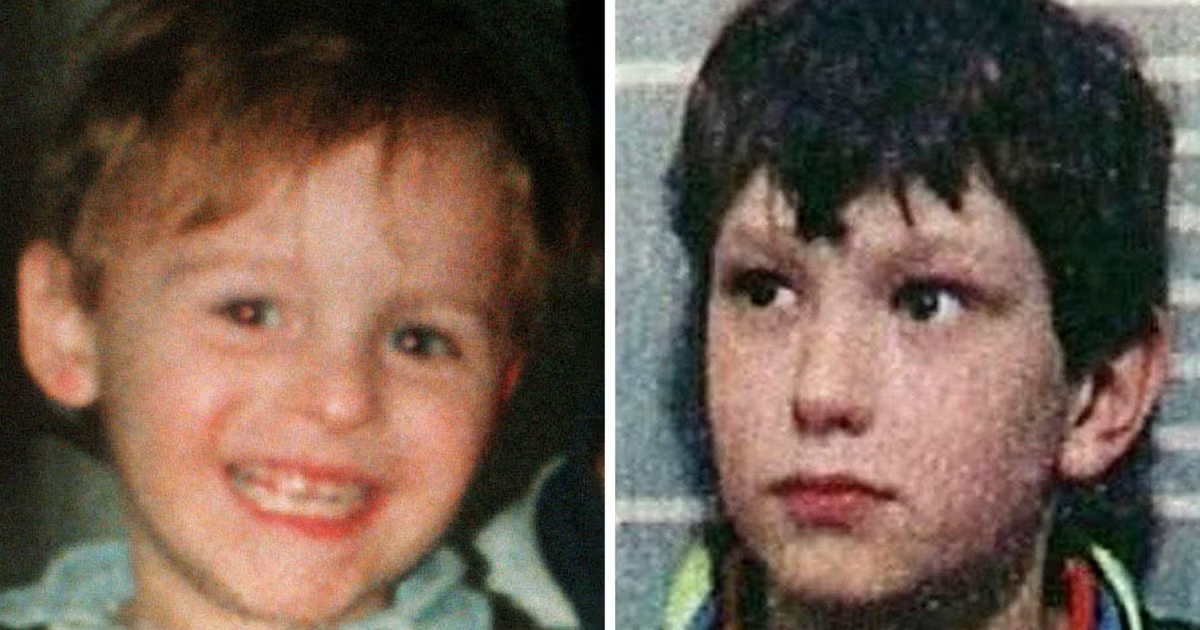
Denise Fergus, James’s mother, had asked the Parole Board to allow the hearing to be publicly observed.
Her argument was not simply about curiosity.
She said that greater transparency could help combat misinformation surrounding the case and reduce the continuing uncertainty surrounding parole decisions.
She also said that misinformation had itself had a “retraumatising impact” on her.
Applications were also made by other parties, including media organisations, seeking greater public access to the proceedings.
The application argued that this is an exceptional case because of the original murder, Venables’ subsequent offending, his repeated recalls to custody and the complicated questions surrounding his release and risk management.
Why the Parole Board Said No
Parole hearings in England and Wales are normally private.
There are circumstances in which a hearing can be made public, particularly where the Parole Board determines that doing so would be in the interests of justice.
In Venables’ case, however, the board concluded that the threshold had not been met.
One of the central concerns was his safety.
The board said a public hearing could make it extremely difficult for Venables to give evidence because people who wanted to harm him could potentially listen to the proceedings and attempt to obtain information about him.
The board therefore concluded that the security risks outweighed the case for a public hearing.
Venables Has Lifetime Anonymity
Another unusual feature of the case is the lifelong anonymity surrounding Venables.
Because he was a child when he committed the murder, strict legal protections have been maintained around his identity and whereabouts.
That protection has remained highly controversial because of the extraordinary public interest in the James Bulger case.
It also creates a difficult problem for the parole system.
The public wants transparency.
Victims’ families want answers.
But revealing information that could identify Venables or expose his location could create serious safety concerns.
The Parole Board has therefore had to balance competing interests.
Denise Fergus Will Be Allowed to Observe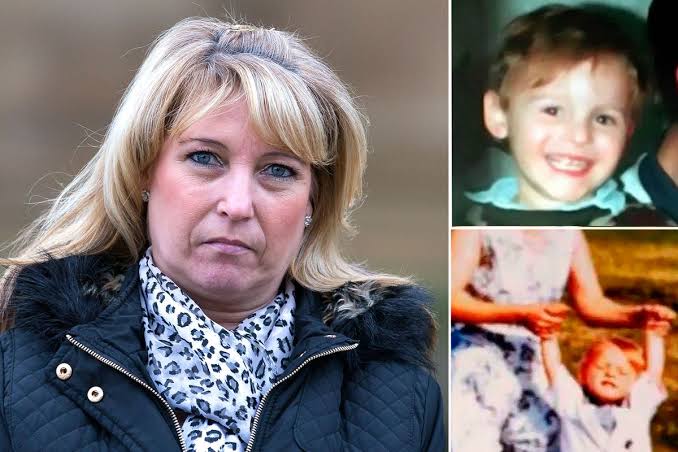
Although the hearing will not be public, there is an important distinction between a private hearing and a hearing from which the victim’s family is completely excluded.
Under reforms introduced nationally in April 2026, victims can attend private parole hearings in certain circumstances.
Denise Fergus has been granted permission to observe the proceedings.
That means she will have an opportunity to hear the parole process directly, even though the wider public will not.
For the family, that provides a degree of access that was not previously available under the same arrangements.
What Happened at the Previous Hearing?
Venables’ last parole bid was rejected in 2023.
The Parole Board concluded at the time that he remained a danger to children and could go on to offend again.
That decision meant that he remained in prison while his case continued to be reviewed.
The new hearing will therefore take place against the background of both the original murder and his later offending.
The panel will have to examine current evidence rather than simply repeat the findings of the previous hearing.
The Question of Risk
The central issue for any parole hearing is risk.
The board must consider whether an offender can be safely managed in the community and what conditions would be required if release were granted.
In Venables’ case, that assessment carries unusual significance because he has previously been released and subsequently recalled to prison.
His history therefore forms an important part of the discussion surrounding any future release.
The 2023 panel previously concluded that he still posed a danger to children.
The new panel will have to consider the evidence currently available to it.
A Case That Never Really Left the Public Consciousness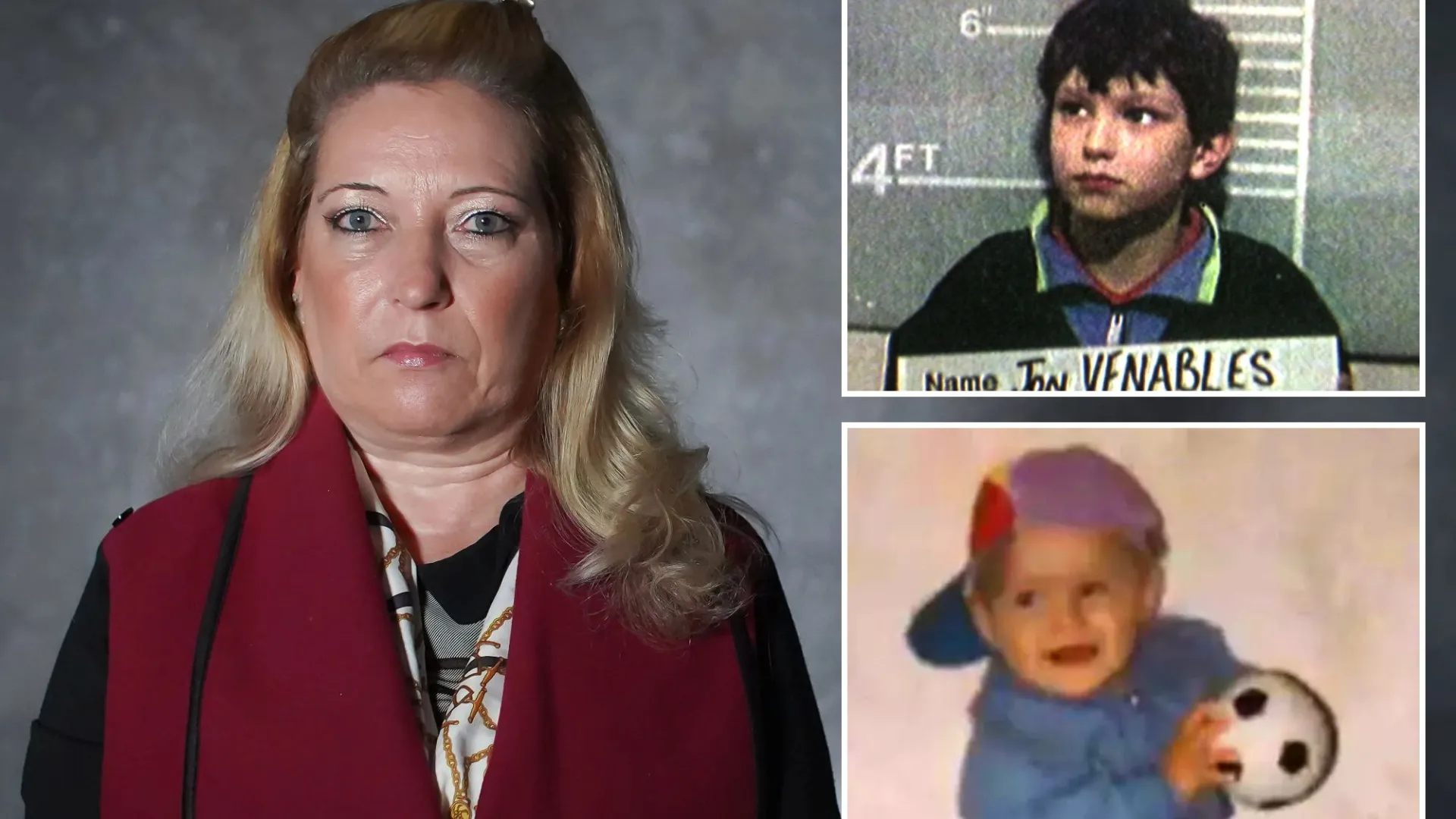
The murder of James Bulger happened in 1993.
More than 30 years later, it continues to generate intense public interest.
For James’s parents and wider family, however, this is not simply a historical criminal case.
It is the story of a child who was taken from them and never came home.
Every parole hearing brings the events of 1993 back into public discussion.
Every decision about Venables’ future raises new questions about justice, rehabilitation, punishment and public protection.
That is why Denise Fergus has continued to campaign for greater transparency.
The Tension Between Transparency and Safety
The latest decision demonstrates how complicated parole cases can become when the offender is subject to lifelong anonymity and faces threats to their safety.
On one side is the argument that the public should understand how a high-profile parole decision is made.
On the other is the argument that a prisoner must be able to give evidence freely and safely for the parole process to work properly.
The Parole Board has ultimately chosen to keep this hearing private.
That decision does not mean the hearing will be conducted without scrutiny.
It means that scrutiny will take place within the rules governing private parole proceedings.
What Happens After the Hearing?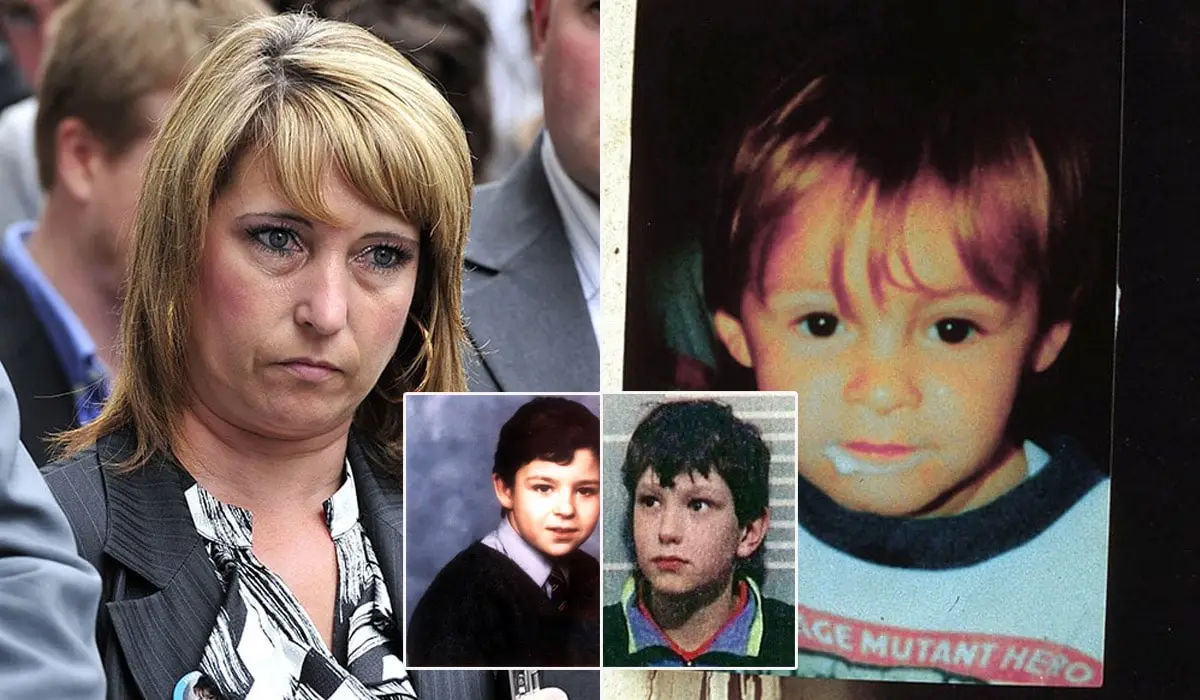
The most important question will be whether Venables is granted parole.
If the panel decides that he should remain in prison, he will continue to be held in custody.
If parole is granted, the decision would still be accompanied by licence conditions and risk-management arrangements.
The precise details of any future release would be subject to the protections surrounding his identity and location.
For James’s family, the decision will carry enormous emotional significance regardless of the outcome.
The Story Is Still Not Over
The decision to keep the hearing private is only the latest development in a case that has continued for more than 30 years.
James Bulger was murdered in 1993.
Venables was released.
He was recalled to prison.
He was released again.
He was recalled for a second time.
His parole was rejected in 2023.
Now another hearing is approaching.
The public will not be allowed to listen directly to the proceedings.
But Denise Fergus will have the opportunity to observe.
And once again, the Parole Board will have to decide what happens next.
For the family of James Bulger, the central question has remained remarkably consistent through all these years:
Can Venables ever be safely released back into the community?
The answer will now depend on the evidence presented at the latest parole hearing and the assessment made by the independent panel.
Whatever decision follows, the case will remain closely watched — not only because of what happened to James in 1993, but because of what the parole system decides about his killer more than three decades later.
Source:
BBC News – https://www.bbc.co.uk/news/articles/cm86xzdn3y41o
Parole Board – Application for a public hearing in the case of Jon Venables