The Hottest Place on Earth
The most shocking fact isn’t the extreme air temperature that can cook you alive — it’s the ground temperature that can literally fry an egg in seconds.
Death Valley: King of Air Temperature
Death Valley in California, USA, is world-famous for holding the record for the highest air temperature ever reliably recorded on Earth. On July 10, 1913, the temperature at Furnace Creek reached a blistering 56.7°C (134.1°F). Even today, summer temperatures here routinely exceed 45°C (113°F), with many days surpassing 50°C (122°F).
This extreme heat is caused by the valley’s geography — it lies far below sea level, surrounded by high mountains that trap hot air like a natural furnace.
But the Real Champions Are Even Hotte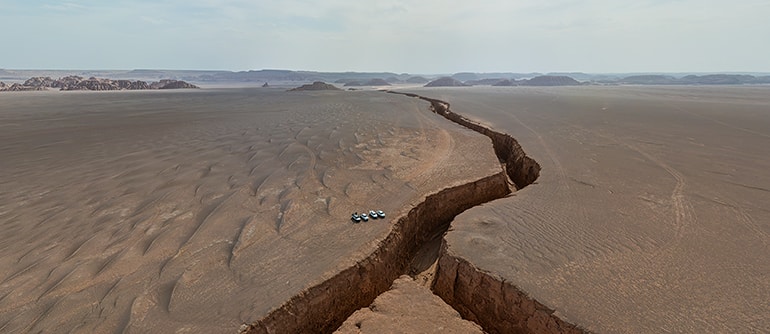 r
r
When it comes to surface (ground) temperature, Death Valley is beaten by two other locations. According to a 2021 analysis of high-resolution NASA satellite data, the Lut Desert in Iran and parts of the Sonoran Desert (along the Mexico-US border) have reached an unbelievable 80.8°C (177.4°F).
- In 2018, the Lut Desert set a new record.
- In 2019, the Sonoran Desert matched that same scorching temperature.
These satellite measurements, taken by NASA’s MODIS instruments, detect the actual heat radiating from the ground surface rather than the air a few feet above it.
Why Surface Temperatures Are So Much Higher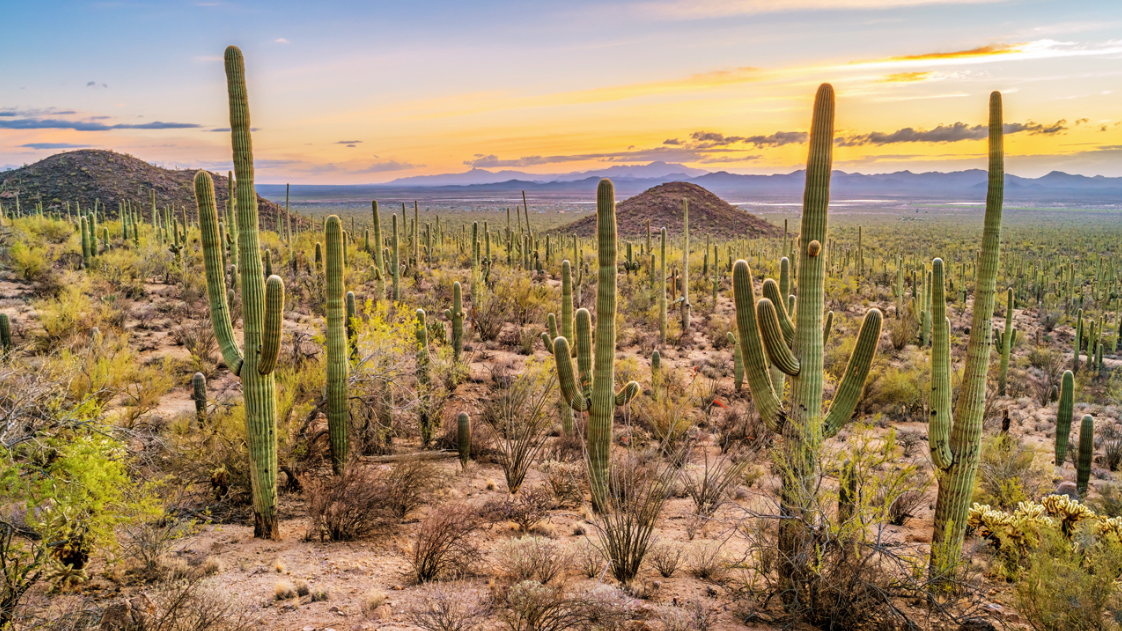
Ground surfaces heat up much faster than the air because they absorb direct sunlight. On a hot day, a dark rock or sand can feel painfully hot to touch — imagine that amplified to extreme levels in barren deserts with no vegetation to provide shade or cooling.
Scientist David Mildrexler explained it simply: Think of how a car parked in the sun can burn your hand on the door handle, or how beach sand can scorch your feet.
The Takeaway
While Death Valley holds the official air temperature record that humans can feel, vast remote deserts like Lut in Iran are the true “hottest places on Earth” when measuring the actual ground. These areas are so inhospitable that few people ever visit them — yet they represent the raw, unforgiving power of our planet’s climate.
In these hellish landscapes, the ground can become hot enough to cause severe burns in seconds, serving as a stark reminder of how extreme natural conditions can get on our planet.