Carol J. Adams and the “Meat is Misogynistic, Racist, and White Supremacy” Claim
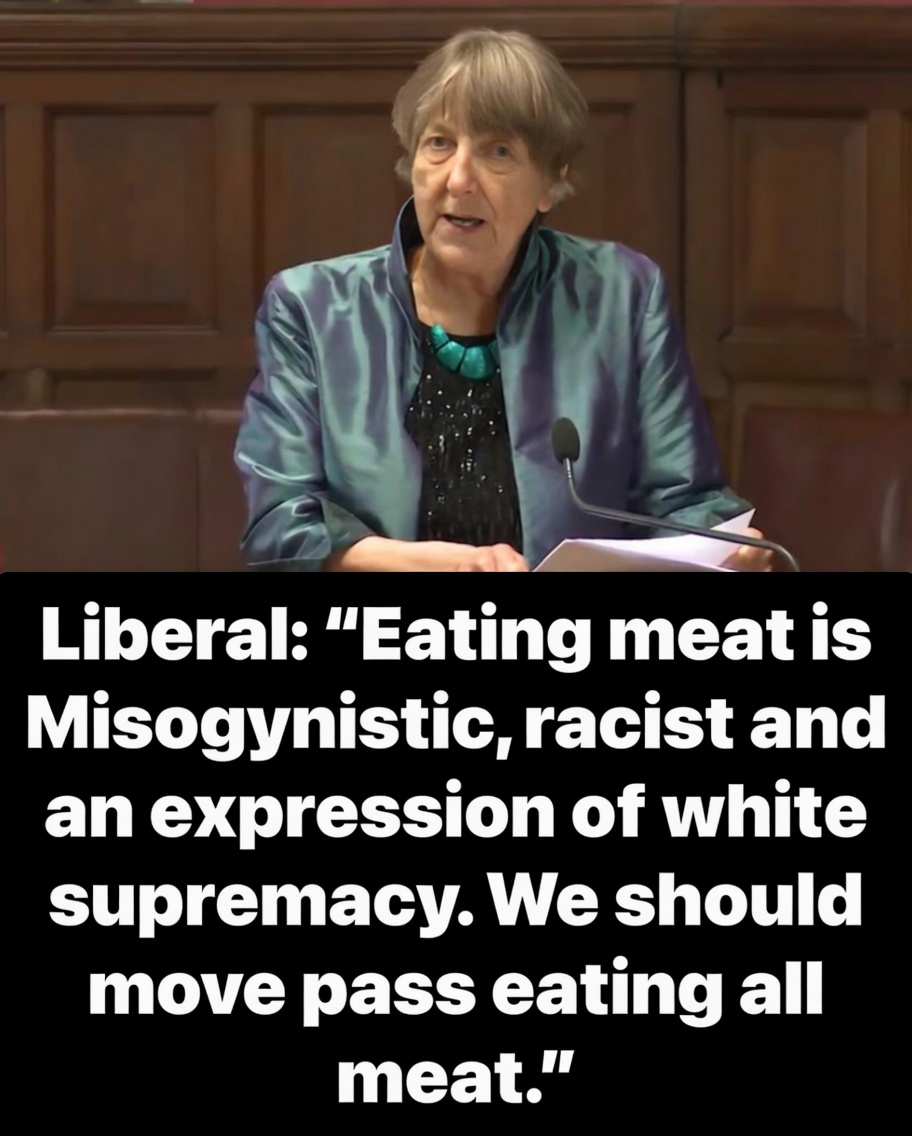
The image circulating widely online features Carol J. Adams, an American ecofeminist author and activist best known for her 1990 book The Sexual Politics of Meat. The overlaid text summarizes arguments she has made in public debates, most notably during a 2021/2022 Oxford Union debate on moving “beyond meat.”
What Adams Actually Argued:
Adams links meat consumption to patriarchal and colonial structures. Key points from her speeches and writings include:
- She claims that the cultural assumption that meat (especially red meat) is the superior or “real” protein source is rooted in a “white supremacist patriarchal worldview.”
- She has stated that “your hamburger comes with a dose of misogyny” and that preferring animal protein over plant-based sources can reflect racist beliefs by dismissing non-Western dietary traditions.
- She argues that meat-eating has historically been “weaponized” to reinforce masculinity, dominance, and colonial power dynamics.
She advocates for reducing or eliminating meat consumption not just for environmental or animal welfare reasons, but as part of dismantling intersecting systems of oppression (sexism, racism, speciesism).
Context and Reaction:
This clip (and similar ones) has resurfaced multiple times and consistently goes viral as an example of what critics call “woke” overreach — turning everyday behaviors like eating a steak into moral and political failings.
Critics argue:
- Meat-eating is a normal part of human diets across virtually all cultures and ethnic groups for millennia, including many non-white societies (e.g., Maasai, Mongols, Indigenous hunting cultures).
- Linking basic nutrition to “white supremacy” dilutes the meaning of actual racism and feels like moral grandstanding.
- Such rhetoric can come across as elitist, ignoring working-class diets, cultural traditions, and biological nutrition needs.
Supporters view Adams as a serious scholar highlighting how food systems intersect with power structures.
The meme format (“Liberal: …”) is designed to mock this position by presenting it in its most extreme-sounding form. Whether one sees it as profound social theory or satirical absurdity, it perfectly captures the ongoing culture war over food, identity, and personal freedom.
Eating meat remains a deeply personal and cultural choice for billions of people — and attempts to moralize it this heavily often provoke strong backlash.