Jemele Hill’s Claim on the Electoral College
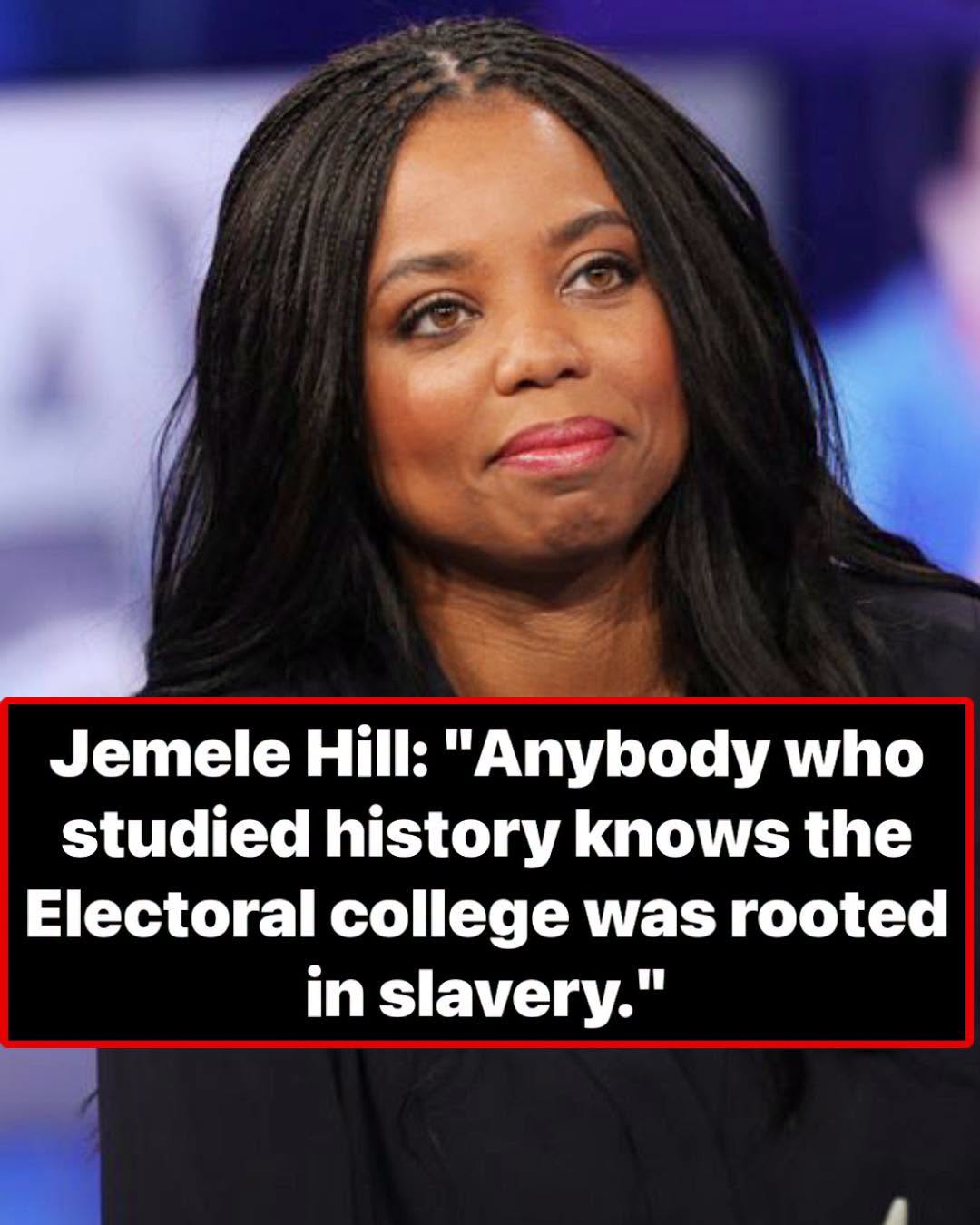
Former ESPN commentator Jemele Hill stated:
“Anybody who studied history knows the Electoral College was rooted in slavery.”
Historical Context
This is a common but oversimplified and contested claim. Here’s a more accurate picture:
- The Electoral College was designed at the 1787 Constitutional Convention as a compromise for choosing the President. Key concerns included:
- Avoiding direct popular vote (due to poor national communication, risk of mob rule, and voters lacking information about distant candidates).
- Preventing Congress from selecting the president (risk of corruption and insider deals).
- Balancing power between large and small states (small states feared being ignored in a pure popular vote).
- It reflected federalism: States, as sovereign entities, would choose electors who then vote for president.
Connection to Slavery:
- There was an indirect link through the Three-Fifths Compromise. Southern states wanted enslaved people counted fully for representation in Congress (to boost their power) but not for taxation. The compromise counted each enslaved person as 3/5 of a person for apportioning House seats — which also affected the number of presidential electors a state received.
- This gave Southern slaveholding states more electoral influence than they would have had if only free population counted. Critics argue this was a concession to slavery.
However:
- The Electoral College was not created primarily to protect slavery. Many Northern delegates supported it too. James Madison and others saw it as a safeguard for republican principles.
- Slavery was already deeply embedded in the economy and politics of the time. The Constitution included other compromises (e.g., the slave trade clause allowing it until 1808).
- The system has evolved significantly (popular election of electors became standard later).
- Throughout history, both parties have criticized or defended the Electoral College depending on whether it benefited them (e.g., Democrats after 2000 and 2016; Republicans after other elections).
Bottom Line
The Electoral College was rooted more in federalism, compromise between states of different sizes, and skepticism of pure democracy than in a deliberate scheme to entrench slavery. Slavery influenced the broader constitutional bargaining, including representation — but claiming it was “rooted in slavery” is a partisan framing that downplays the structural and philosophical debates at the founding.
Many historians across the spectrum (left and right) acknowledge the Three-Fifths influence but reject the idea that abolishing the Electoral College today is necessary to “correct” a slavery-based system. Reasonable people can debate its merits in a modern democracy without historical exaggeration.
What aspect of this do you want to explore further?