Maria Eduarda Rodrigues de Freitas Case Update: Brazil Seeks Answers After 21-Year-Old Dies in Rope-Jump Tragedy

Maria Eduarda Rodrigues de Freitas Case Update: Brazil Seeks Answers After 21-Year-Old Dies in Rope-Jump Tragedy
As of July 1, 2026, the death of Maria Eduarda Rodrigues de Freitas, a 21-year-old Brazilian woman, remains under intense public attention as investigators continue examining how a planned adventure at the Ponte do Esqueleto, or “Skeleton Bridge,” in Limeira, São Paulo, turned into a fatal tragedy.
Maria died on June 13 during a rope-jumping activity from the abandoned bridge. According to the Associated Press, she had asked to be launched “airplane style,” with instructors lifting her above their shoulders as she stretched out her arms. But investigators say she was released without being attached to the safety equipment needed to protect her. Rope jumping differs from bungee jumping because it uses low-stretch climbing ropes that create a pendulum swing rather than an elastic bounce.
The case has shocked Brazil because the alleged safety failure appears to have been basic and catastrophic. Police investigator Andrea Dantas Levy said the instructors acknowledged that Maria was not connected to the safety ropes before the jump, but reportedly could not remember who was responsible for attaching or checking the equipment. “The fact is the ropes were not attached to her,” Levy said, according to reports cited by People.
Three instructors have been charged in connection with Maria’s death: Luis Felipe Feliciano Egoroff, 32; Vitor de Freitas Gonçalves, 27; and Maicon Fernandes Cintra, 42. They were charged with homicide with eventual intent, a Brazilian legal theory applied when someone allegedly accepts the risk that their conduct could cause death. No one has been convicted, and the case remains in the legal process. 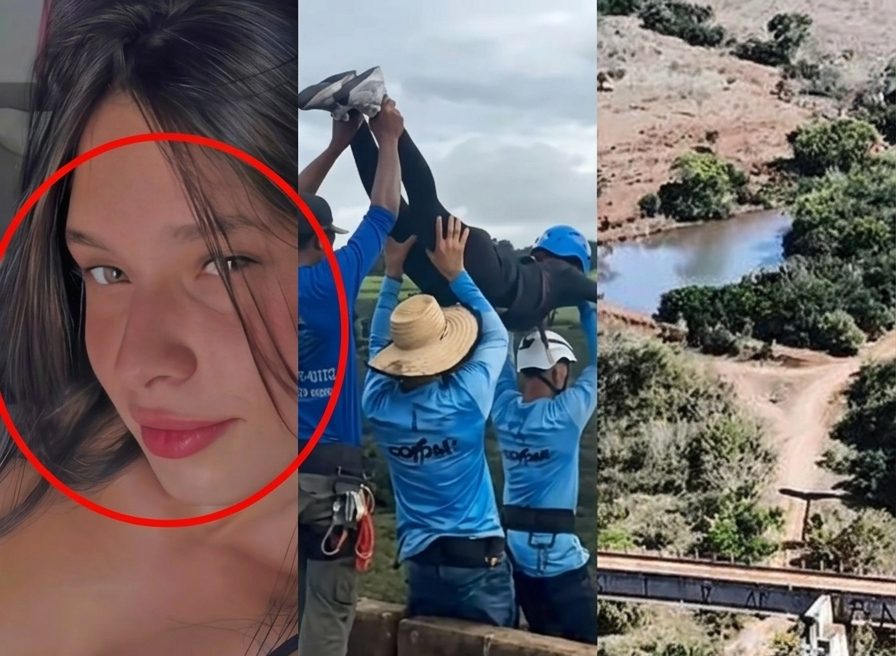
Investigators are also focused on a missing action camera that Maria reportedly paid extra to use during the jump. A witness told Brazilian media that he saw an employee remove a GoPro-style camera from Maria’s body after the fall. The camera has not been recovered, and police consider it a potentially important piece of evidence because it may show what happened in the moments before the fatal launch.
The missing camera has become one of the central questions in the case. Authorities are trying to determine whether it was removed for ordinary reasons, taken in confusion, or deliberately hidden. Reports have also said three more people connected to the activity were arrested as investigators looked into possible evidence tampering, including concerns that video or digital material may have been deleted.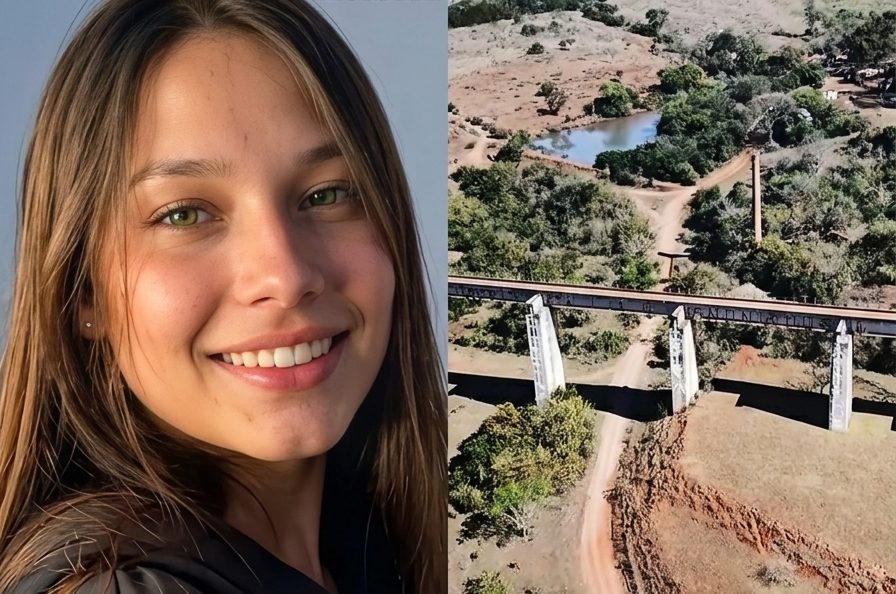
The tragedy has also renewed scrutiny of the bridge itself. The Ponte do Esqueleto is an abandoned railway viaduct that had become known as a destination for extreme-sports activities. Reports say the group involved in the jump did not have official authorization to operate there. Local authorities have since pushed for stronger measures, including blocking access and seeking demolition of the structure to prevent future tragedies.
Maria’s death has become more than a police case. It has become a national conversation about extreme-sports safety, informal adventure operators, and the responsibility of public authorities to control dangerous sites. For many people following the story, the most painful detail is that the equipment existed, but investigators say it was not properly connected before she was released.
Maria was described in reports as an aspiring physical education teacher and a young woman excited for the experience. Shortly before the jump, she reportedly posted about the activity on social media. What should have been a memory of courage and adventure instead became a case that continues to raise questions about negligence, supervision, and accountability.
For now, the investigation continues on several fronts: the actions of the instructors, the missing camera, possible digital evidence, the role of other event staff, and the lack of authorization at the bridge. Maria’s family and the public are still waiting for the full truth.
The central question remains painfully simple: how could a 21-year-old participant be launched from a bridge without the safety connection that was supposed to save her life?