Kiraz and Aruna: A Rare Journey of Conjoined Twins and the Fight for Separate Lives
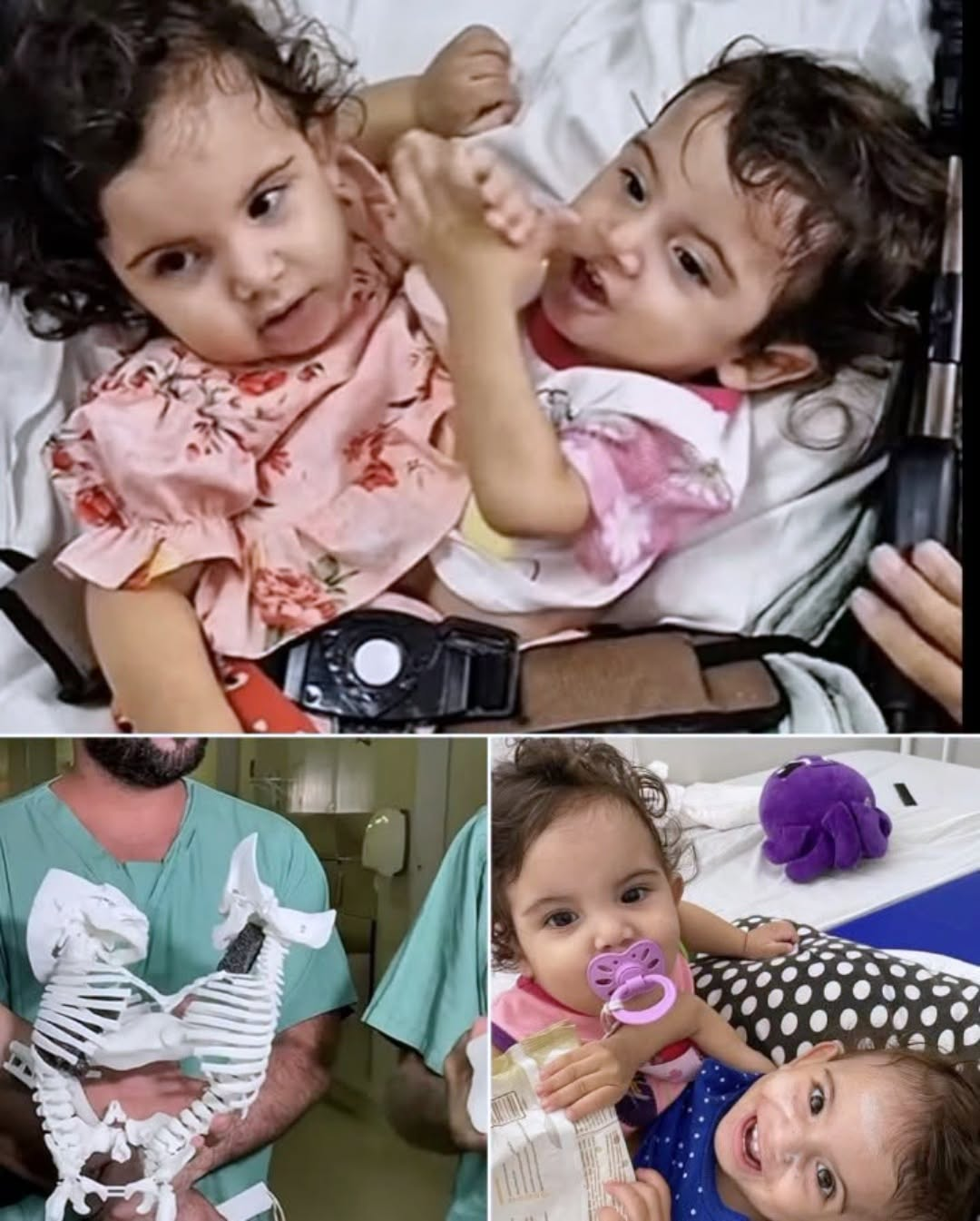
Born joined at the chest, abdomen, and pelvis, twin sisters Kiraz and Aruna Rodrigues entered the world facing extraordinary medical challenges. The Brazilian girls were a rare type of ischiopagus conjoined twins, sharing vital structures and having three legs between them — a condition seen in only a small percentage of conjoined twin cases worldwide.
From their first breaths, their lives depended on specialized care. At around 18 months old, in May 2025, the sisters underwent a highly complex separation surgery at the State Hospital for Children and Adolescents (HECAD) in Goiânia, Brazil. The operation lasted approximately 19 hours and involved a large multidisciplinary team of surgeons, anesthesiologists, and other specialists working in coordinated shifts. Lead surgeon Zacharias Calil and his colleagues carefully divided the shared organs and tissues to give each girl the best possible chance at an independent life.
Preparing for the procedure had taken months. Tissue expanders were used to create enough skin for reconstruction, and extensive imaging and planning guided the team through the intricate anatomy the girls shared.
The surgery represented a monumental effort by nearly 60 medical professionals in total across the process. Photos from their journey capture both the tenderness of their bond — two little girls holding hands, smiling with pacifiers, and sharing quiet moments — and the technical complexity of the operation, including 3D models used by the surgical team.
Tragically, the outcome was bittersweet. Kiraz passed away just days after the separation. Aruna showed initial improvement, moving from intensive care to a regular ward, but remained under close medical supervision. Seven months later, on Christmas Eve 2025, Aruna died from complications, including septic shock following a viral infection, while still receiving care at the hospital.
Their father, Alessandro Rodrigues, and the medical team spoke of the family’s courage, faith, and love throughout the long hospital stays and multiple procedures. Lead surgeon Zacharias Calil publicly expressed the deep sorrow felt by everyone involved, noting that Aruna had been reunited with her sister.
Conjoined twin separations of this complexity remain among the most challenging operations in pediatric surgery. Cases like Kiraz and Aruna’s highlight both the remarkable advances in medical technology and teamwork, and the profound risks that still exist.
The sisters’ short lives left a lasting impression. Their story drew attention to the dedication of the Brazilian medical team and the strength of a family who fought for every possibility. In the photos that remain — of two curly-haired girls side by side, of surgical models, and of quiet hospital moments — their bond and the extraordinary effort to give them separate futures continue to be remembered.
Rest in peace, Kiraz and Aruna. Your journey touched many hearts.
Sources:
- Metro / Newsflash reports on the May 2025 separation surgery of Kiraz and Aruna Rodrigues and subsequent outcomes (December 2025)