Parker Wells’ Tragic Death Sparks National Debate Over Emergency Alerts for Vulnerable Children
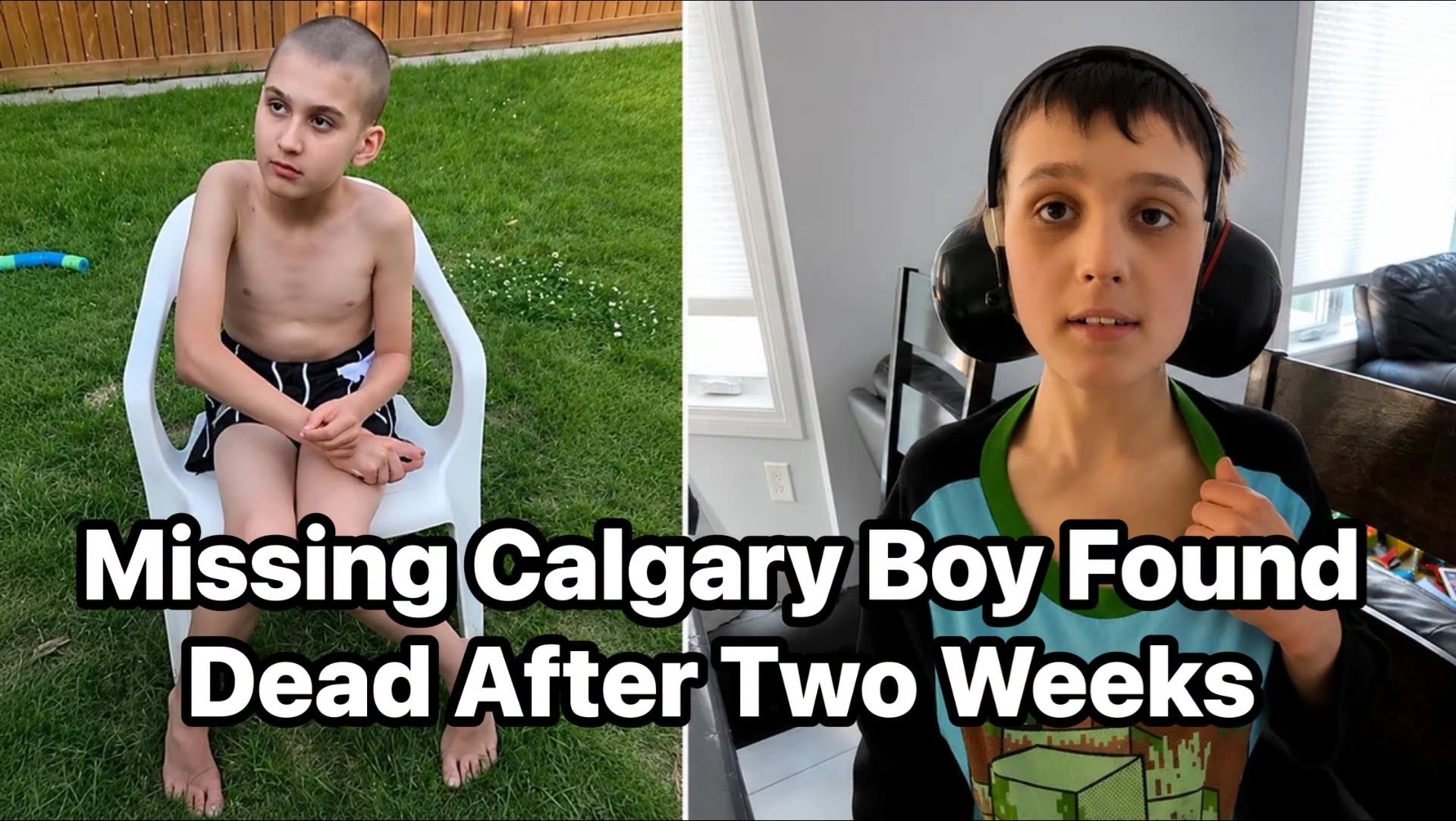
Parker Wells’ Tragic Death Sparks National Debate Over Emergency Alerts for Vulnerable Children
The tragic death of 11-year-old Parker Wells has prompted a nationwide discussion about whether Canada’s emergency alert system should do more to protect vulnerable children who go missing.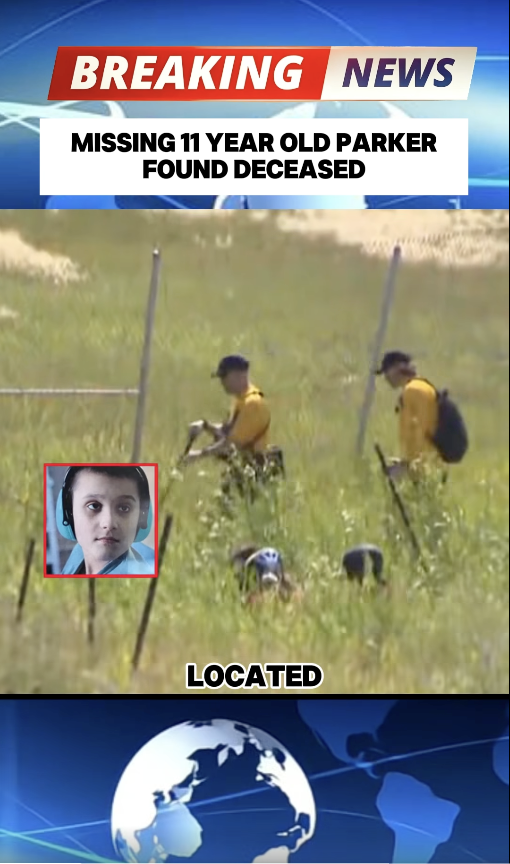
Following Parker’s disappearance and the heartbreaking discovery of his remains, political leaders, advocates, and families have called for changes to how emergency alerts are issued in cases involving children with heightened safety risks.
Conservative Leader Pierre Poilievre has urged the federal government to review the current system, arguing that emergency alerts should consider the level of danger a child faces—not solely whether there is evidence of an abduction.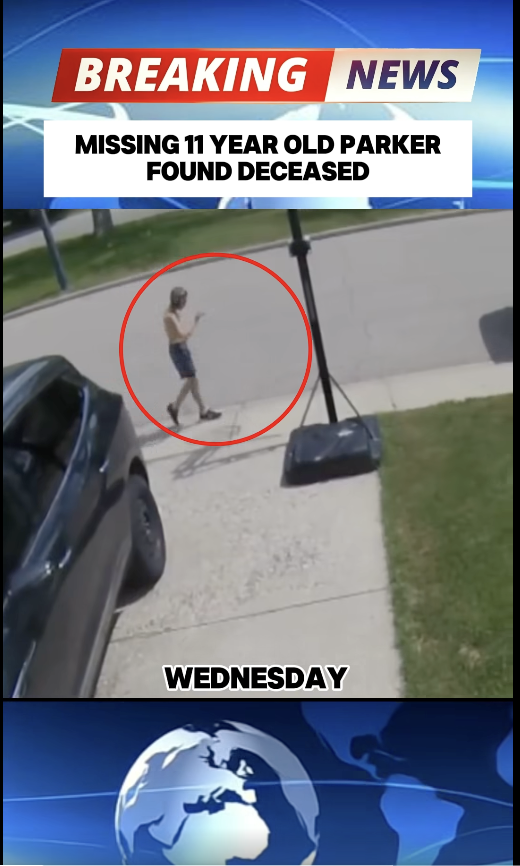
In a letter to Emergency Management Minister Eleanor Olszewski, Poilievre and Conservative MP Mike Lake called for clearer national guidelines to help ensure that missing children with conditions such as autism or other neurodivergent disabilities receive rapid public attention when they are at significant risk.
Poilievre has said that his perspective is shaped in part by his experience as the father of a daughter with autism, emphasizing how quickly a vulnerable child can find themselves in danger after wandering away.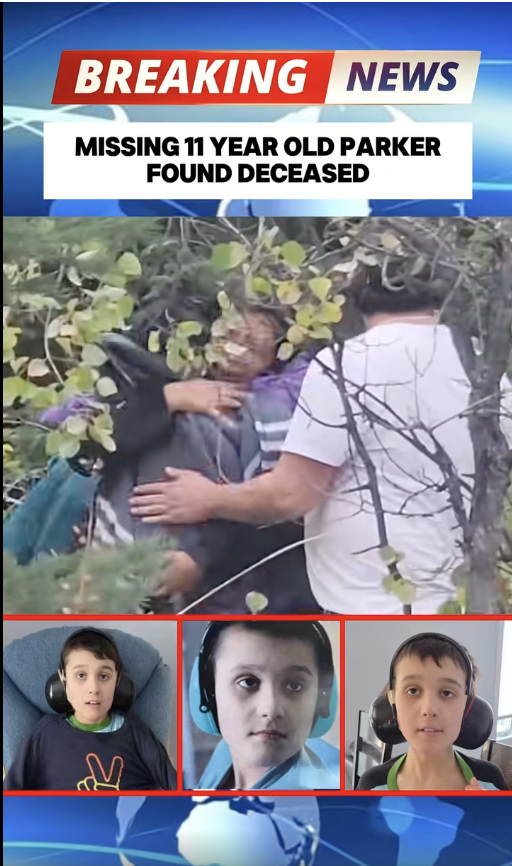
Parker disappeared from a specialized day facility in Calgary on July 16, prompting a massive search involving police officers, emergency responders, volunteers, and community members.
An Amber Alert was not issued immediately because investigators reported that there was no evidence suggesting an abduction. A broader emergency alert was later approved after police requested an exemption under Alberta’s emergency notification system.
The case has highlighted ongoing discussions about whether Canada’s existing alert criteria adequately address situations involving vulnerable children whose greatest danger may come from environmental risks rather than criminal activity.
Some advocates are proposing the creation of a dedicated alert category for missing vulnerable children, while others support expanding the criteria for existing emergency alert systems.
Supporters of reform argue that rapid public notification can be critical during the first hours after a vulnerable child disappears and that alert decisions should reflect the child’s overall level of risk.
The federal government has indicated that it is reviewing ways to improve the consistency and effectiveness of emergency alert systems in collaboration with provincial and territorial partners.
For many Canadians, Parker’s story has become a powerful reminder of the importance of protecting vulnerable children and ensuring that emergency response systems continue to evolve to meet their needs.
Many hope that meaningful improvements inspired by Parker’s case will help prevent similar tragedies and provide faster assistance to families facing every parent’s worst nightmare.