Ryder Wells: Surviving a Devastating Dog Attack and Facing the World with Courage
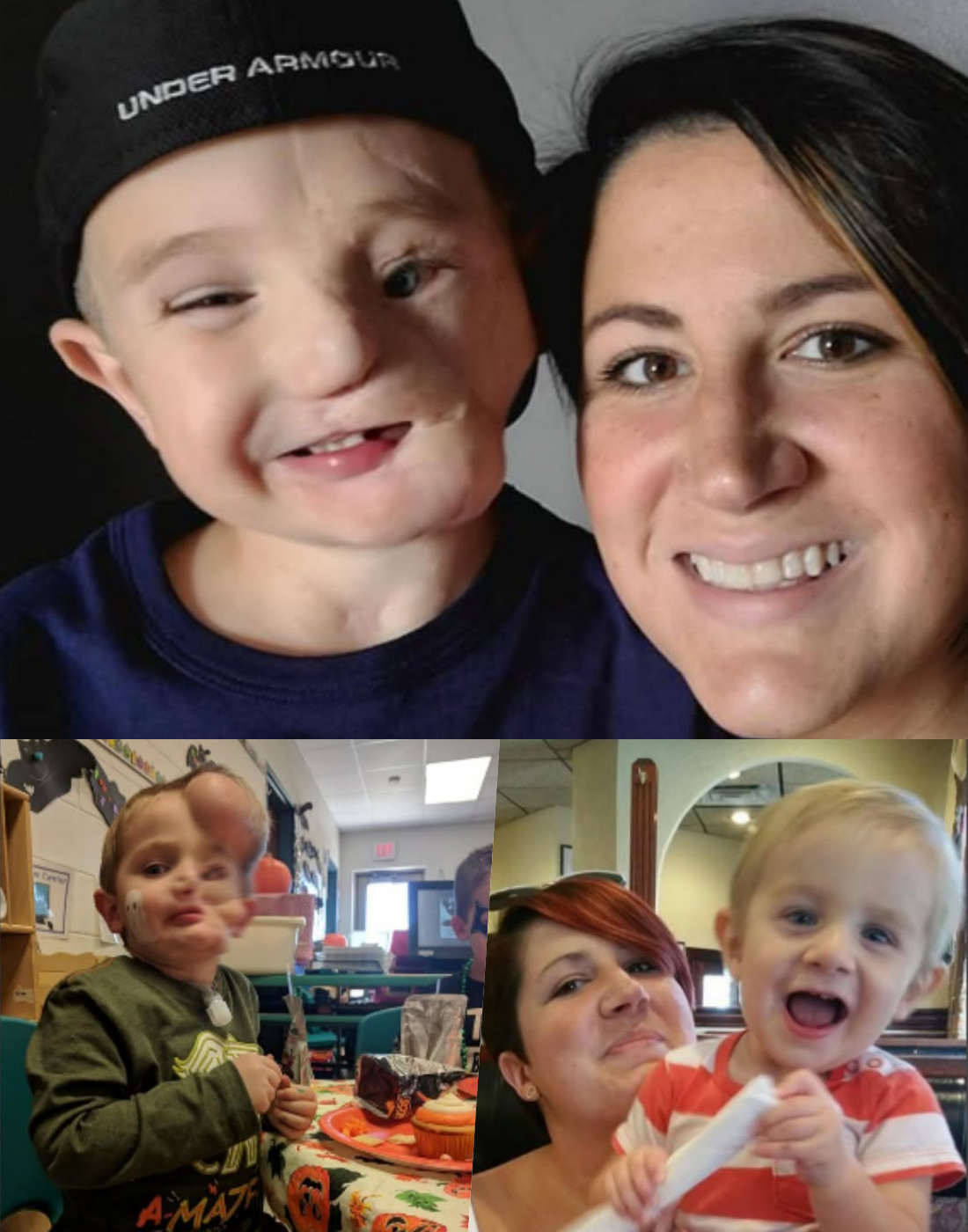
Ryder Wells was just 21 months old when he survived a devastating dog attack that left him with severe facial injuries. On the day after Thanksgiving in 2015, while visiting family friends near Raleigh, North Carolina, the toddler was playing when two large Rottweilers attacked him. His mother, Brittany Wells, found him moments later. “It happened so quickly,” she later recalled. “When we picked him up and rolled him, his face was just gone.” The dogs had torn away his entire right cheek, the bottom of his eyelid, and most of his lips. He also suffered crushed teeth, a broken arm, and a punctured lung. Doctors performed 14 hours of emergency surgery and feared he might not survive or could be left paralyzed. The dogs were euthanized the same day.
What followed was a long and difficult road of reconstruction. Ryder has undergone more than 50 surgeries to rebuild his face. Early skin grafts failed, leaving him without facial tissue on one side for the first year. He required a tracheostomy because of the lung injury and spent extended periods in hospital and recovery. Despite the odds, he learned to eat and drink on his own, returned to everyday childhood activities, and continued to grow. Doctors once doubted he would make it; Ryder proved them wrong.
Even as his physical recovery advanced, new challenges appeared. Strangers and other children sometimes reacted with stares, comments, or cruelty. Brittany has shared that her son has been called a “monster” in the playground and has heard people say “ew” while out shopping. Ryder notices the attention. He often wears a cap and glasses and sometimes lowers his head. His mother responds by telling him every day that he is beautiful and that being different is okay. “Just because he’s different, it doesn’t make him less of a person,” she has said.
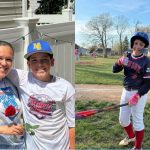
Today Ryder continues learning, growing, and participating in ordinary childhood experiences—school, sports, and play—while still requiring further procedures as he develops. His family speaks openly about the need for kindness and acceptance, and about the lasting impact of both medical trauma and social stigma. They have sought support for ongoing treatment and used their story to encourage greater understanding of children living with visible differences. Through it all, Ryder’s resilience remains clear: a boy who survived the unimaginable and keeps moving forward with quiet strength.
Sources YourTango and 7News Australia