From Exploitation to Hope: Anabelle’s Journey with Crouzon Syndrome
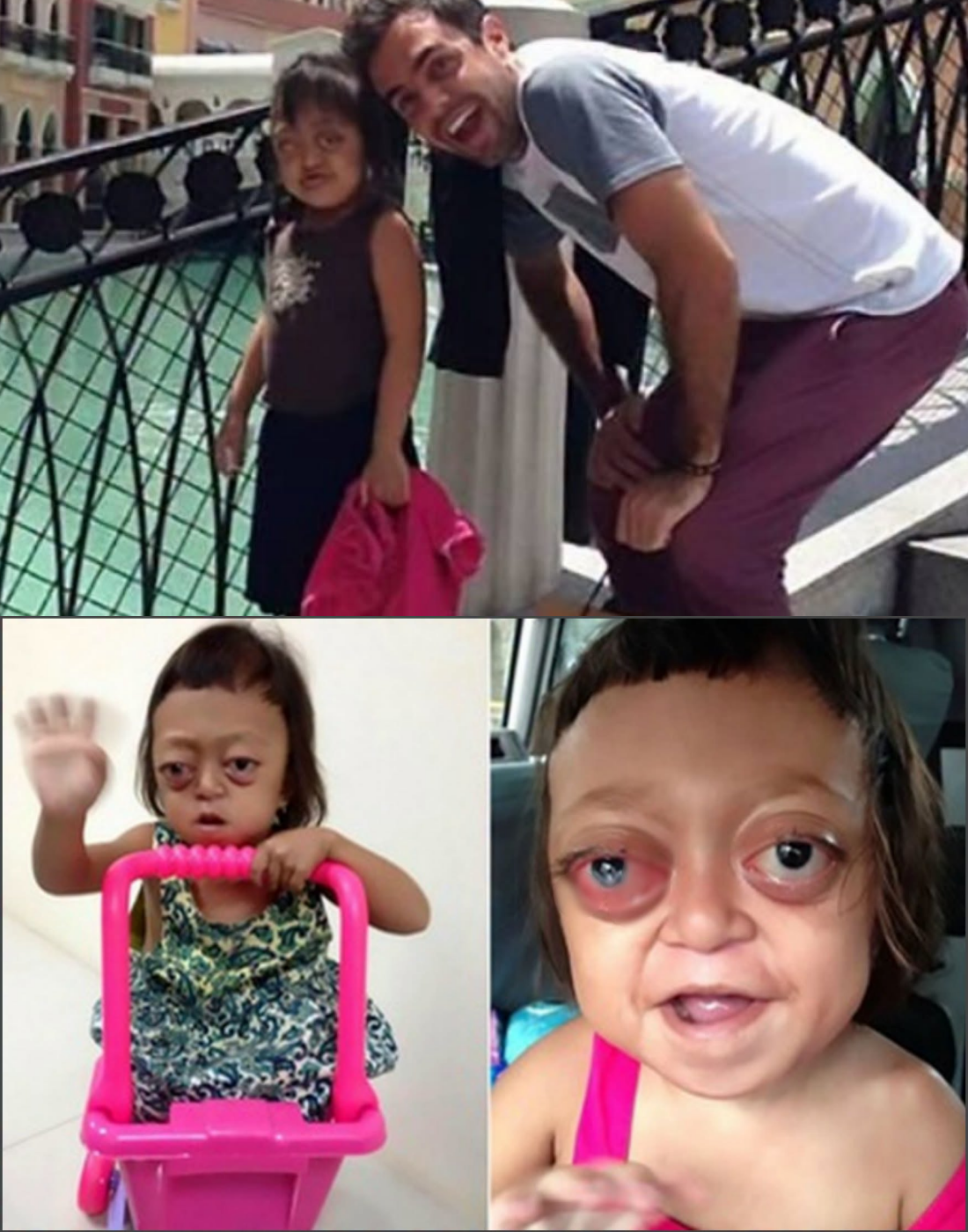
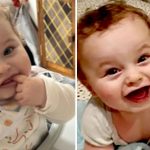
Born into extreme poverty in Bacolod City on Negros Island in the Philippines—ironically known as the “City of Smiles”—Anabelle faced challenges no child should endure. She was born with Crouzon Syndrome, a rare genetic condition also called craniofacial dysostosis. It causes the premature fusion of certain skull bones, restricting normal growth of the head and face. Characteristic features include a misshapen skull, midface underdevelopment, and prominently bulging eyes that made it difficult or impossible for her to fully close her eyelids. This left her chronically tired and vulnerable to eye complications, while the restricted skull space threatened her brain’s development.
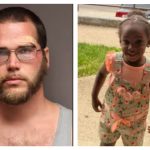
Her family’s situation was already dire. Anabelle’s mother struggled to care for her and several other siblings (reports mention six). When Anabelle was around two years old, her mother sold her to a drug trafficking gang for approximately $100. The traffickers exploited her distinctive appearance, forcing the little girl onto the streets to beg. She was regularly beaten with sticks or punched so that her tears and swollen eyes would evoke greater sympathy—and more money—from passersby. A woman was forced to pose as her mother during these outings. The pair were frequently moved from city to city to evade authorities. All the money collected went to the gang; Anabelle lived as a virtual slave.
Around the age of five, Anabelle was rescued and taken in by the Kalipay Negrense Foundation, a Philippine organization dedicated to helping children rescued from trafficking, exploitation, and abuse. There she met Gonzalo Erize, an Argentine volunteer working with the foundation. Erize was deeply moved by her story and the lingering trauma—she would wake at night screaming from nightmares of her past. He committed to giving her a better future, pledging his own resources and helping raise funds so she could receive the specialized medical care she urgently needed.
Anabelle was evaluated by a team of pediatricians, neurologists, dentists, and other specialists in Manila. Doctors determined that cranial surgery was essential to relieve pressure on her brain and allow it space to grow properly. Erize stayed by her side throughout the delicate process. The operation was successful. Afterward, Anabelle began a new chapter: safer, supported, and with improved prospects for healthy development. By the time she was seven (around the time her story gained wider international attention in 2017), she was living under the care of the foundation, free from the streets and the violence she had known.
Crouzon Syndrome requires lifelong multidisciplinary care, often involving staged craniofacial surgeries, ophthalmologic monitoring, dental and orthodontic treatment, and developmental support. Early intervention can significantly improve both physical outcomes and quality of life. Anabelle’s case also shines a light on the darker realities of child trafficking and the exploitation of children with disabilities in impoverished communities.
Her rescue and subsequent medical care illustrate the power of individual compassion combined with organized humanitarian effort. From a life of fear, beatings, and forced begging, Anabelle moved toward safety, medical treatment, and the chance to simply be a child. Her story remains a powerful reminder of both the vulnerability of children with rare conditions and the transformative impact of those who refuse to look away.
Sources
- Daily Mail / Metro / The Mirror / The Sun: Reports on Anabelle’s rescue from traffickers, her Crouzon Syndrome, and support from Gonzalo Erize and the Kalipay Negrense Foundation (October 2017)