Understanding Diprosopus: The Extremely Rare Condition of Craniofacial Duplication
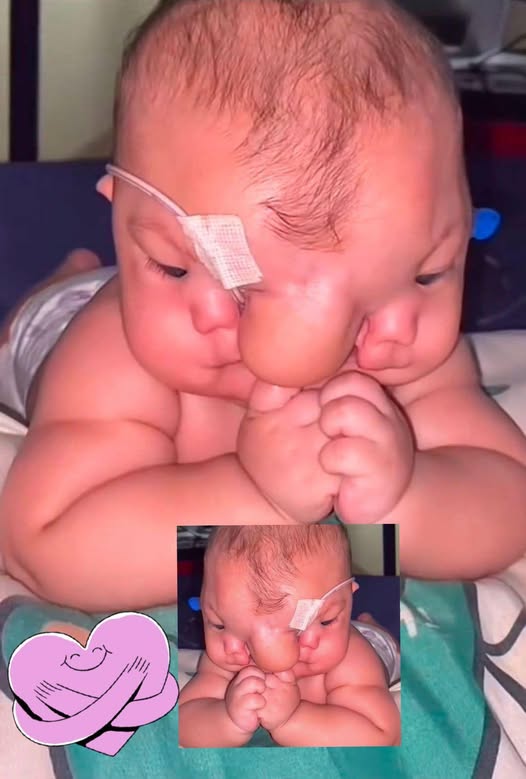
Diprosopus, also known as craniofacial duplication, is one of the rarest congenital conditions documented in medical literature. It involves partial or complete duplication of facial structures on a single head and body.
The condition arises from disruptions in early embryonic development of the face and is considered a form of incomplete twinning or abnormal patterning of facial tissues. Estimates place its occurrence at roughly 1 in several million births. Severity varies widely: some infants show limited duplication (such as a duplicated nose, mouth, or eye structures), while others exhibit more extensive facial doubling.
In many cases, diprosopus is associated with additional anomalies, particularly involving the brain, heart, or other organ systems. Complete forms are often incompatible with prolonged survival, and many affected infants are stillborn or live only a short time after birth. Partial forms, however, have allowed a small number of children to survive longer, sometimes with surgical intervention to address functional issues such as airway, feeding, or vision.
Prenatal ultrasound can sometimes detect the condition, allowing families and medical teams to prepare. Postnatal care focuses on supporting vital functions, managing associated complications, and providing comfort. When surgery is possible, it is carefully tailored to the individual anatomy and overall health of the child.
Every case is unique. Behind the medical description is a child and a family navigating profound challenges. As with all rare congenital conditions, the priority remains compassionate, individualized care that respects the dignity and value of every life.
The images shared reflect the human reality of this diagnosis. Approaching such stories with empathy rather than judgment helps foster understanding of the medical complexities involved and the support families need.
Sources
- Medical literature and reviews on diprosopus / craniofacial duplication (including systematic reviews in Genes and Orphanet Journal of Rare Diseases)
- Clinical case reports and Wikipedia overview of documented human cases