Maryam from Tajikistan: Complex Surgeries in India Offer Hope for Severe Congenital Hydrocephalus
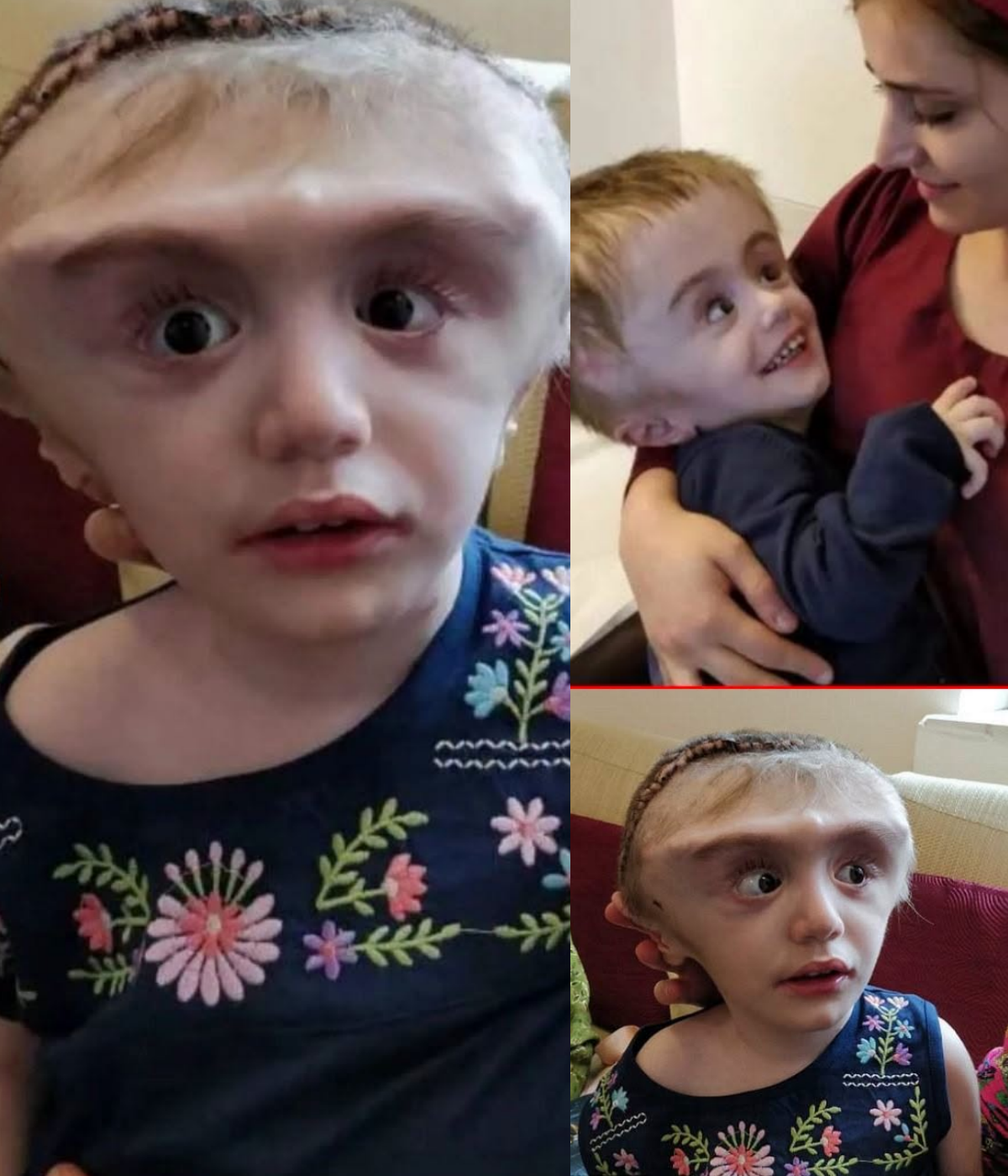
Maryam, a two-year-old girl from Tajikistan, was born with congenital hydrocephalus accompanied by megalencephaly — a rare combination in which excess cerebrospinal fluid accumulates in the brain while the brain itself grows abnormally large. Without timely treatment, the condition can be life-threatening and cause severe neurological complications. By the time she reached India, her head circumference had measured as much as 72 cm, making it nearly impossible for her to lift or turn her head independently.
When Maryam was 11 months old, doctors in Tajikistan performed a ventriculoperitoneal (VP) shunt procedure to drain excess fluid. The operation reduced her head circumference from 72 cm to approximately 64–65 cm. However, by then the cranial bones had largely fused, limiting further natural reduction in size, and some brain damage had already occurred. Mobility remained extremely limited.
Her parents learned of the successful (though ultimately temporary) treatment of another child with extreme hydrocephalus, Roona Begum, performed years earlier by Indian neurosurgeon Dr. Sandeep Vaishya. They traveled to Fortis Memorial Research Institute in Gurugram (Gurgaon), India, seeking specialized care. Initially, the medical team considered the case extremely high-risk because of the fused bones and existing brain changes. After careful evaluation and with the family’s informed consent, they proceeded.
Over a period of five months, Maryam underwent eight complex surgeries. Each procedure lasted several hours and involved carefully draining fluid (often around 500 ml per session) and gradually reshaping the skull. The operations were described by the surgical team as highly challenging; at one point the child’s condition became critical, but she recovered. Dr. Sandeep Vaishya, Executive Director of Neurosurgery at the hospital, led the team.
Post-operative CT scans showed encouraging signs of brain development. Maryam began to lift her head, an important milestone she had previously been unable to achieve. Doctors emphasized that while the risk of residual brain damage remained, the interventions gave her the best chance at an improved quality of life. Strict medical supervision, rehabilitation, and regular follow-up were recommended to support her ongoing development.
Maryam’s case drew international attention in 2018 as an example of both the severe consequences of untreated or late-treated hydrocephalus and the possibilities offered by staged, highly specialized neurosurgical care. Long-term outcomes depend on continued monitoring and supportive therapies, but the series of operations marked a significant step forward for a child whose condition had once seemed nearly insurmountable.
Sources
- The Hindu (August 2018): “Baby suffering from hydrocephalus operated upon successfully”
- Business Standard / Press Trust of India (August 2018): Report on multiple surgeries at Fortis Memorial Research Institute, Gurugram
- Metro and related international coverage (August 2018) detailing the eight staged procedures and reduction in head circumference
- Fortis Memorial Research Institute statements quoted across Indian and international media, including comments by Dr. Sandeep Vaishya and hospital leadership