Nolan Wells Case Spirals Beyond Horn Island as Speculation, Distrust and Threats Intensify
What began as a search for answers about what happened to 18-year-old Nolan Wells on a remote Mississippi barrier island has evolved into something far larger — a case surrounded by unanswered questions, public distrust, viral accusations and now federal criminal charges over alleged threats.
Nolan disappeared during a Fourth of July trip to Horn Island, an uninhabited barrier island off Mississippi’s Gulf Coast.
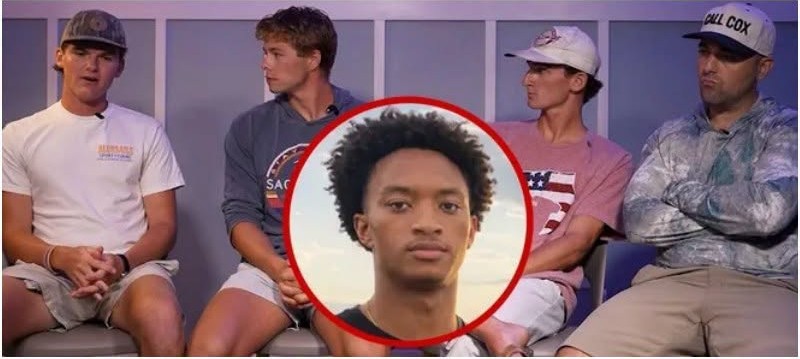
He had traveled there with friends for a holiday gathering. Those friends eventually returned to the mainland, but Nolan did not.
His body was discovered two days later in the water near the island.
From the beginning, the circumstances generated questions.
Why did Nolan remain behind?
Why was his cellphone back on the mainland?
What exactly happened during his final hours on the island?

And why did authorities initially indicate they did not suspect foul play before all of the forensic evidence was publicly available?
Those questions quickly moved beyond Mississippi.
Nolan was Black, while the three friends who traveled with him appeared to be white. Against the backdrop of Mississippi’s painful racial history, the case became the focus of intense national discussion about race, trust in law enforcement and whether investigators were approaching the case with sufficient scrutiny.

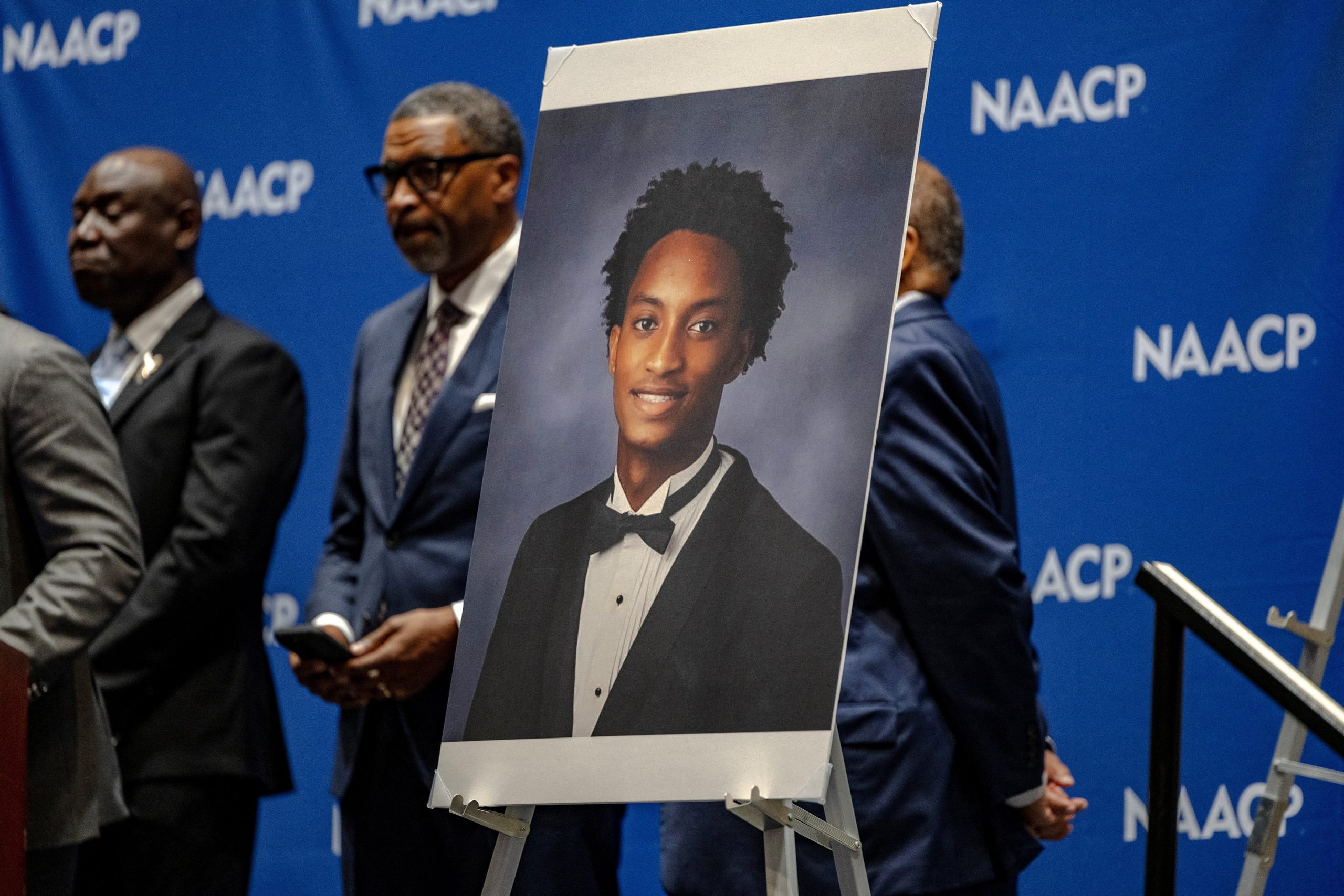
Nolan’s family has repeatedly pushed for transparency.
Civil rights attorney Ben Crump joined the family’s legal team, while prominent figures including Rev. Al Sharpton called for a complete investigation and clear answers about what happened.
But as legitimate questions grew, so did something much harder to control: online speculation.
Social media users began attempting to reconstruct Nolan’s final hours themselves.
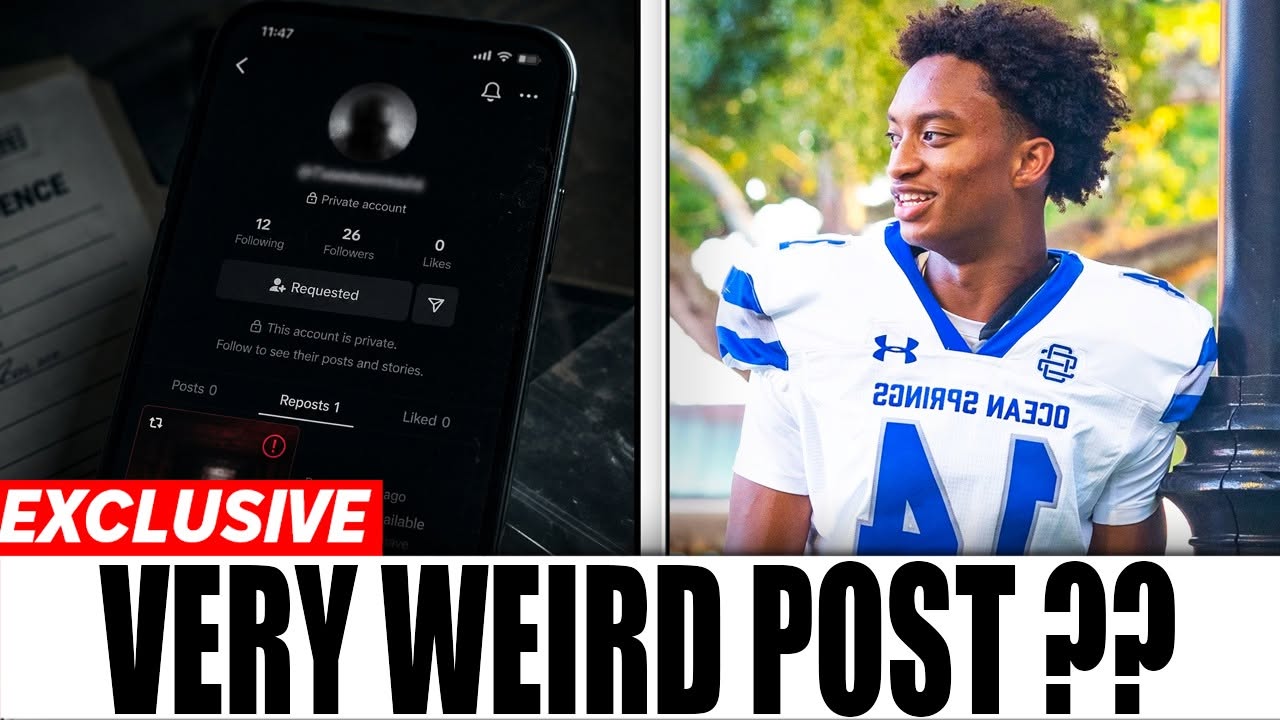
Videos were dissected frame by frame. Statements were compared. Rumors were repeated as facts. People connected to the July 4 trip found their names and photographs circulating online alongside serious allegations that had not been established by investigators.
Some viral claims have already proven false.
One widely circulated allegation claimed that Nolan’s friend Warren Hudson had been arrested in connection with the investigation.
He had not.
Other online posts have attempted to identify people as responsible for Nolan’s death despite authorities not publicly naming a suspect.
The atmosphere has now moved beyond social-media arguments.
Federal prosecutors have charged multiple people with allegedly making threats against individuals connected in some way to the investigation.
The defendants are not accused of causing Nolan’s death.
Instead, authorities allege they made threatening communications targeting a judge, government offices, witnesses or others associated with the case.
One of the most serious allegations involves Illinois resident Edward James Porter.
Federal prosecutors allege Porter made violent threats against a witness and members of that person’s household. Authorities say he threatened anyone who attempted to intervene, including law-enforcement officers.
Other cases involve Michelle Francine Edwards of Ohio and Joseph Alfredo Vasquez Dumarce of California, who have separately faced allegations involving threatening communications connected to the investigation.
The threats illustrate how far the case has traveled from Horn Island.
People with no known direct connection to what happened on July 4 have allegedly inserted themselves into the controversy, while people who were actually present have faced intense scrutiny and harassment.
That environment also creates a serious problem for investigators.
Rumors can become mixed with legitimate evidence.
Witnesses can become reluctant to speak publicly.
False documents and fabricated claims can spread faster than authorities can correct them.
Mississippi officials recently confronted exactly that problem when a document circulating online was presented as Nolan’s toxicology report.
Authorities said it was fake.
The genuine state autopsy and toxicology findings have not been publicly released as investigators continue examining the case.
Meanwhile, an independent autopsy commissioned by Nolan’s family did not provide a definitive answer.
Dr. Roger Mitchell concluded that the cause and manner of death remained undetermined pending further investigation.
The examination found no fractures or significant deep-tissue injuries, but it documented an area of red discoloration on the back of Nolan’s head that Mitchell said required further examination.
The independent examination was also limited because Nolan’s body had already undergone the state autopsy and decomposition had occurred.
Those limitations prevented the second pathologist from independently answering several critical questions.
As a result, neither the unanswered forensic issues nor the competing accounts surrounding Nolan’s final hours have disappeared.
But uncertainty is not evidence of guilt.
That distinction has become increasingly important as the case continues to divide public opinion.
Nolan’s family has every reason to demand a complete explanation of how their son disappeared and ended up in the water.
At the same time, friends, witnesses and others connected to the case cannot legitimately be treated as guilty simply because questions remain unanswered.
Law enforcement has not publicly charged Nolan’s friends with causing his death.
Some of those friends have maintained that they had nothing to do with what happened and say they have endured threats, harassment and accusations as the case exploded online.
Their attorneys have also indicated that defamation litigation could follow against people accused of spreading false claims.
That leaves the Nolan Wells case operating on two very different tracks.
The first is the actual investigation.
Detectives are examining witness statements, forensic evidence, digital information, Nolan’s cellphone and the circumstances surrounding the July 4 trip. The case is expected to receive grand-jury scrutiny as authorities work toward determining what the evidence supports.
The second investigation is happening online.
There, millions of people are attempting to reach conclusions before investigators have publicly released all of the evidence.
The danger is that the two can easily become confused.
Questions deserve answers.
Contradictions deserve examination.
And Nolan’s family deserves to know what happened to their son.
But allegations circulating on social media are not substitutes for forensic findings, authenticated records or evidence tested through the legal system.
More than a month after Nolan Wells traveled to Horn Island, the mystery surrounding his final hours remains unresolved.
Yet another consequence of the case is already unmistakable.
The search for answers has created a wave of distrust and anger powerful enough to produce threats, federal prosecutions and fear among people connected to the investigation.
Until the remaining evidence is evaluated and authorities establish what actually happened, perhaps the most important distinction is also the simplest:
There is a difference between asking difficult questions — and deciding the answers before the evidence does.
Main Sources: CNN, Associated Press, Reuters, Mississippi Today, WLOX