FROM A MISSING TEEN TO A NATIONAL CASE: NOLAN WELLS’ FAMILY NOW WANTS THE FBI INVOLVED
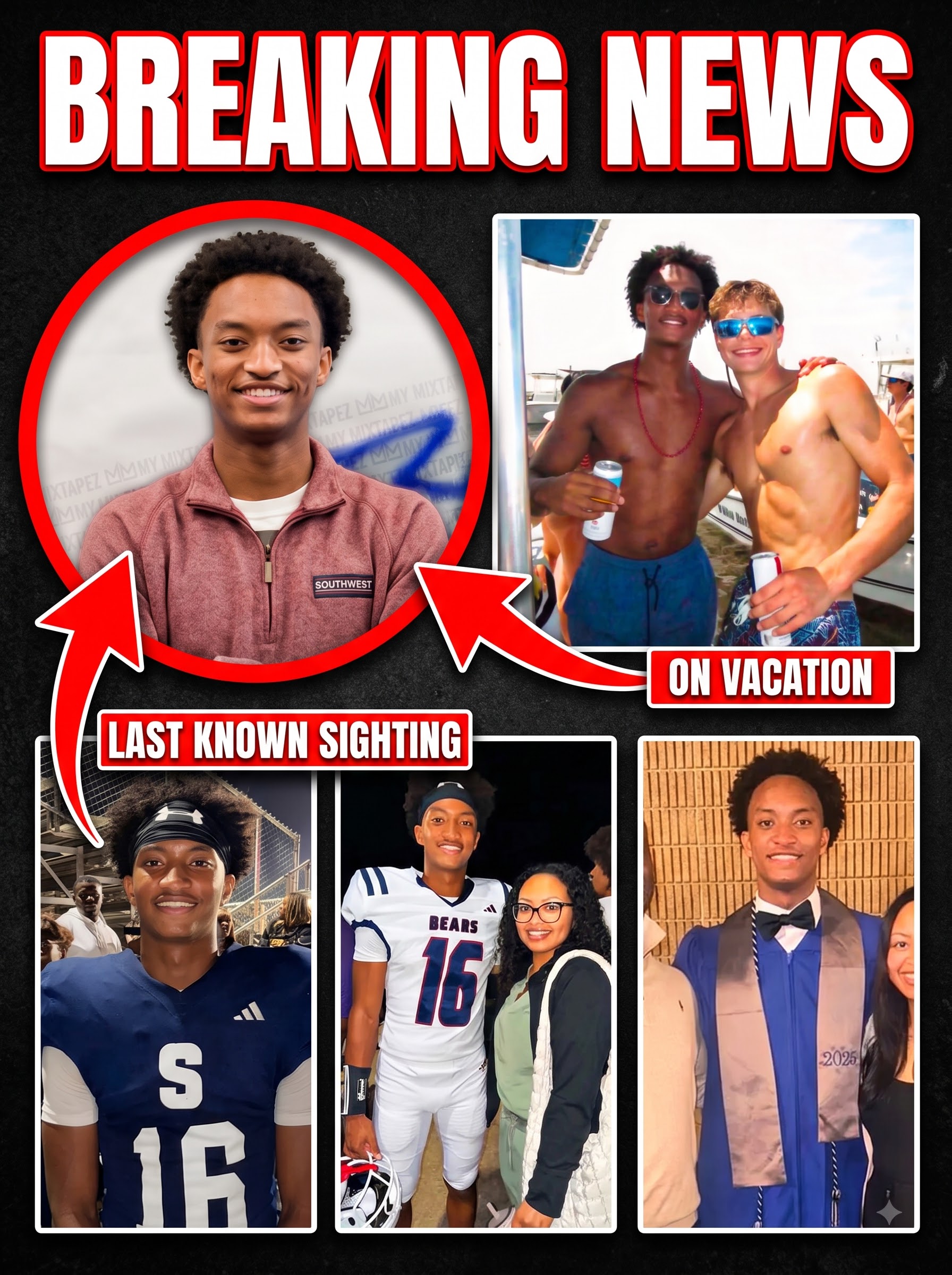
What began as the disappearance of an 18-year-old college student during a Fourth of July trip has now become a case drawing attention from members of Congress, civil rights leaders and the national media.
The family of Nolan Wells is no longer asking only for answers from local authorities.
They are asking the federal government to take a closer look.
On August 12, the Congressional Black Caucus sent a letter to U.S. Attorney General Todd Blanche and FBI Director Kash Patel requesting an independent federal review of Wells’ disappearance and death. The lawmakers also asked for appropriate federal investigative assistance and for the Justice Department to determine whether a federal investigation may be warranted.
The request came more than a month after Wells disappeared on July 4.
Wells had traveled with friends to Horn Island, off Mississippi’s Gulf Coast. He did not return with the group. His body was discovered on July 6.
Authorities initially believed he had drowned and said there was no confirmed evidence of foul play.
But his family has never been satisfied with that explanation.
They have raised questions about Wells’ decision to remain on the island, the fact that he allegedly left his cellphone behind, the timeline of events and the information provided by people who were with him that day.
Now those questions have reached Washington.
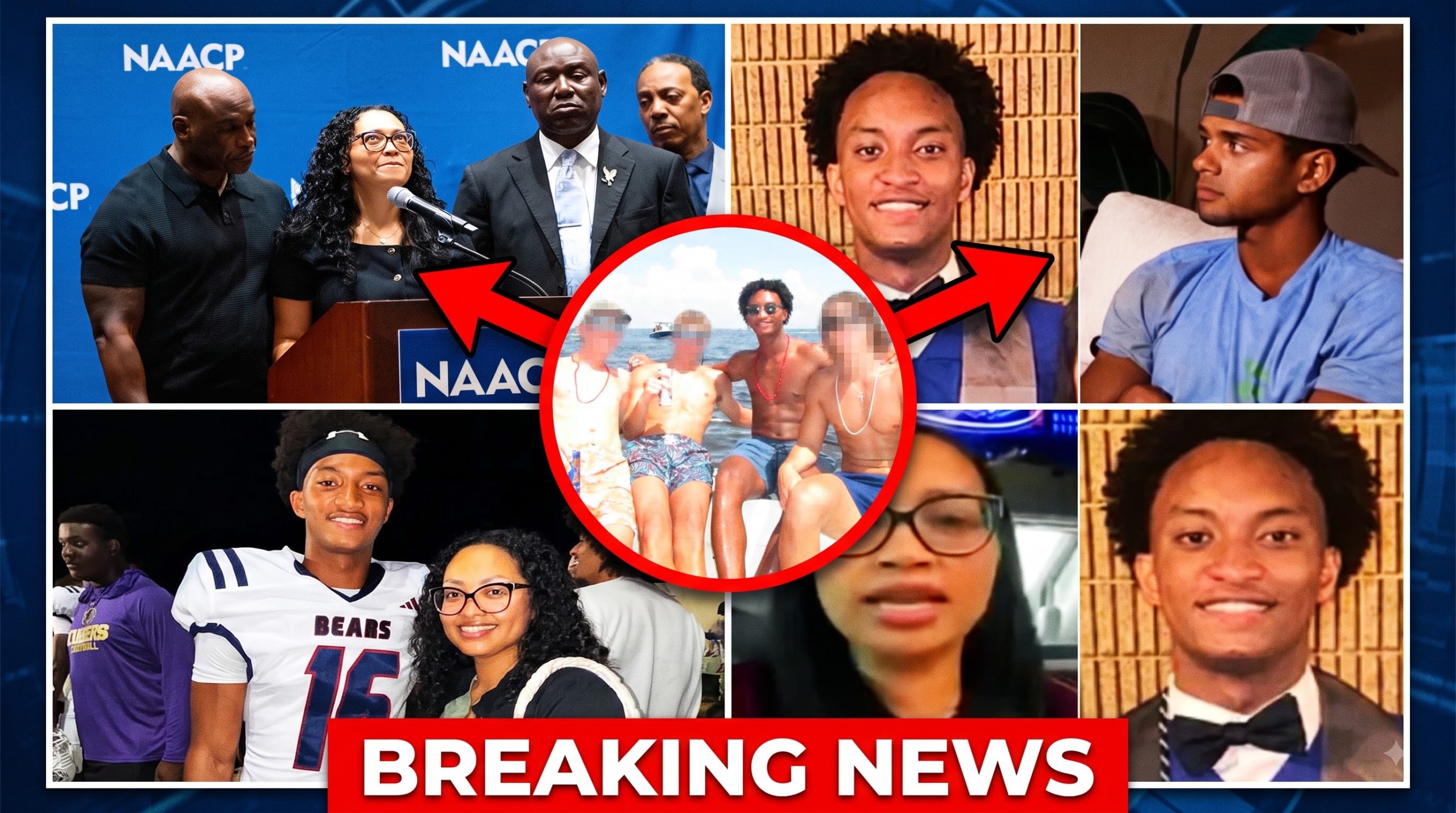
At a press conference in Atlanta during the National Association of Black Journalists convention, Wells’ parents appeared with attorney Ben Crump, Rev. Al Sharpton and Rep. Lucy McBath as calls for federal review intensified.
The family’s argument is not simply that authorities should investigate harder.
They want an independent examination of the entire case.
That could potentially involve reviewing the evidence already gathered, evaluating the handling of the investigation and determining whether additional federal resources are appropriate.
The Congressional Black Caucus specifically emphasized that local authorities already have an ongoing investigation. The request for federal involvement is therefore framed as an additional layer of scrutiny rather than a declaration that local investigators have definitively failed.
Still, the timing is significant.
The official autopsy has already been completed.
Yet its findings have not been released publicly.
Instead, prosecutors plan to submit the report to a Jackson County grand jury.
That means the most important medical evidence in the case is currently unavailable to the public.
A separate independent autopsy commissioned by the family also failed to determine a cause or manner of death. The examination found no severe injuries but identified an area of red discoloration around the back of Wells’ head and neck. The examiner said the available evidence was insufficient to determine how Wells died.
Meanwhile, another potentially important piece of evidence—the cellphone—has still not been analyzed.
The family’s attorneys say they have agreed in principle to a forensic examination but want a protocol governing the examination before the phone is handed over. Their proposal reportedly contemplated involvement by a digital forensics laboratory and potentially the FBI.

The district attorney’s office has sought possession of the device, while the family’s lawyers say the family has not refused cooperation.
That disagreement has become one of the latest flashpoints in the investigation.
At the same time, Wells’ friends have publicly defended their account of the final hours.
In a recent interview, Jax Pitalo, Morgan Seymour and Warren Hudson said Wells chose to stay on the island after meeting a girl and believed he had another ride back. They said he did not appear concerned when the group prepared to leave.
The friends have faced intense scrutiny online, and their accounts have been challenged by Wells’ family.
But there remains an important distinction between a disputed witness account and evidence of a crime.
At this point, authorities have not publicly identified a suspect in Wells’ death.
Three people have been charged in separate cases involving alleged threats directed at people connected to the investigation, but those charges are not homicide charges and do not establish that anyone was involved in Wells’ death.
That distinction has become increasingly important as online speculation has intensified.
The Wells case has generated theories ranging from accidental drowning to possible foul play. But investigators have not publicly confirmed a murder.
The federal review request therefore arrives at a critical moment.
If the DOJ accepts the request, federal authorities could bring additional resources and expertise to a case that has already attracted intense national attention.
If they decline, the state investigation and grand jury process will remain the primary path forward.
Either way, the Wells family is making one thing clear:
They do not believe the unanswered questions should simply disappear.
As Nolan Wells’ 19th birthday approaches on August 19, his parents are facing what should have been a celebration of their son’s life under completely different circumstances.
Instead, they are still waiting for the most basic answer.
What happened to Nolan Wells during the final hours of his life?
And now, they are asking Washington to help find out