Nolan Wells’ Family Demanded Answers After His Horn Island Death — More Than a Month Later, the Biggest Questions Remain
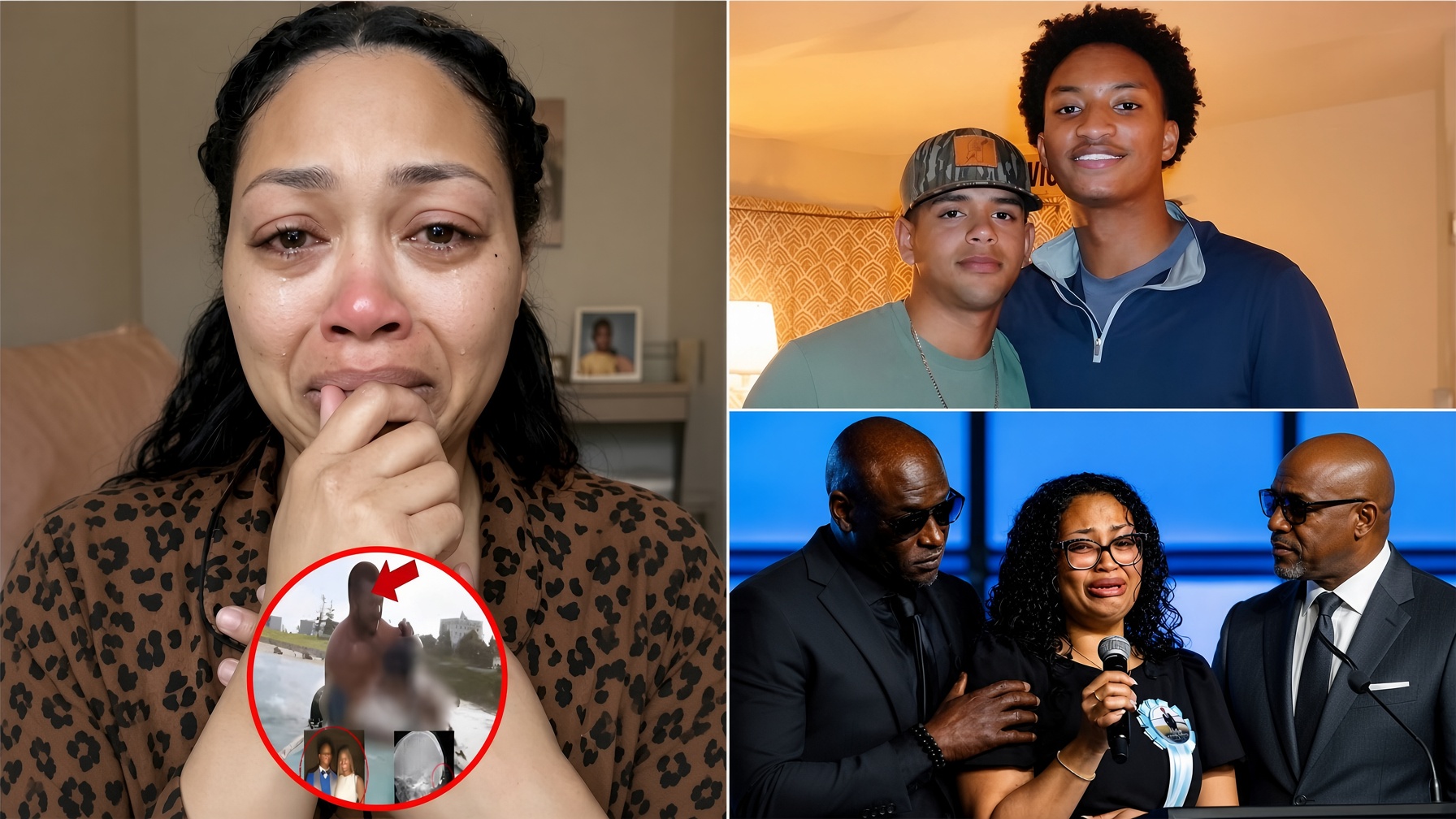
When 18-year-old Nolan Xavier Wells left for a Fourth of July trip to Horn Island, Mississippi, his family expected him to come home.
He never did.
Two days later, a National Park Service ranger found the college football player’s body in the water near the remote barrier island.
What initially appeared to authorities to be a possible drowning has since grown into a nationally watched investigation involving two autopsies, disputed accounts of Nolan’s final hours, questions surrounding his cellphone, a pending grand-jury review and increasingly loud calls for greater transparency.
More than a month later, Nolan’s family says the same fundamental problem remains:
They still do not know exactly what happened to their son.
A Fourth of July Trip That Ended Without Nolan
Nolan, a student and wide receiver at Southwest Mississippi Community College, traveled by boat to Horn Island on July 4 with friends.
Horn Island is a remote barrier island in the Gulf Islands National Seashore, miles from the Mississippi mainland.
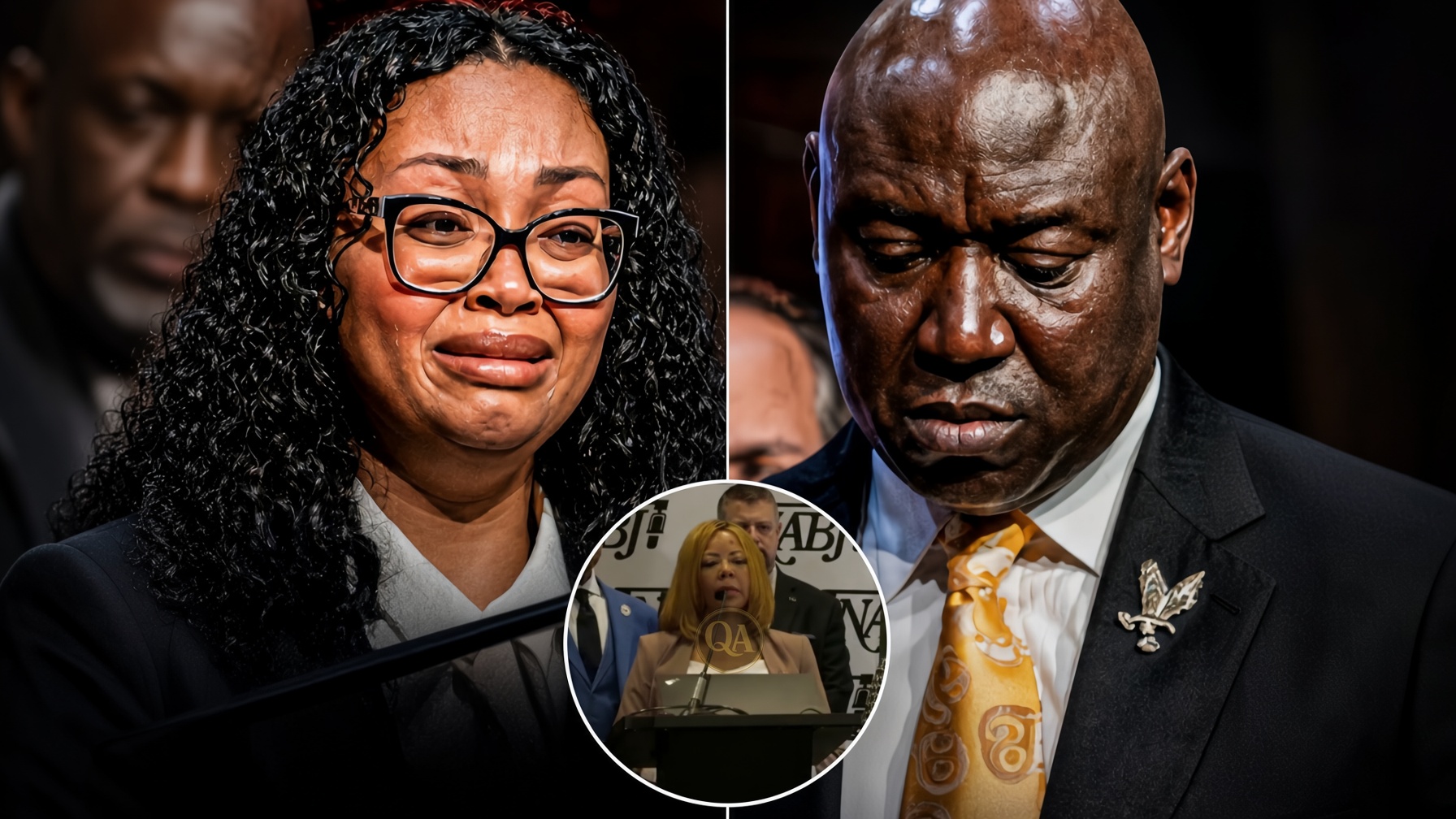
At some point that day, Nolan became separated from the group he had traveled with.
His friends eventually returned to the mainland.
Nolan did not.
His cellphone also returned without him.
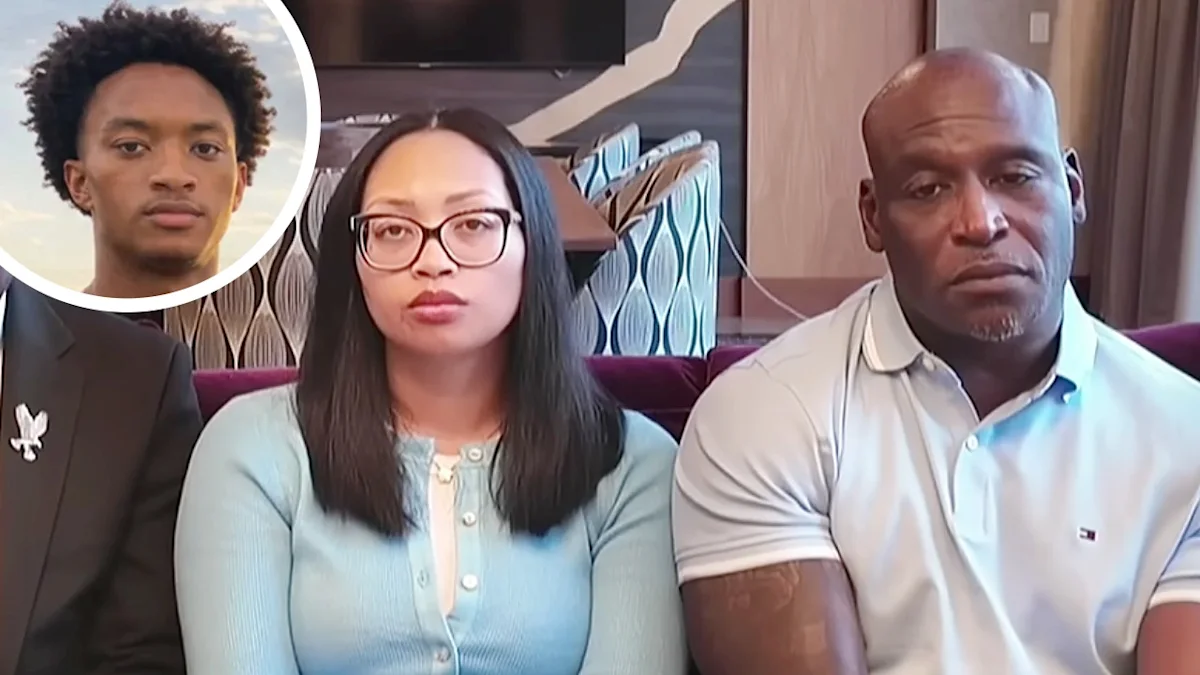
Those circumstances immediately raised questions for his parents, Christine Wells-Wonsley and Elmore Wonsley.
Why would Nolan remain on a remote island while his friends left?
Why did he not have his phone?
How was he planning to get home?
And what happened between the last confirmed sighting of him and the discovery of his body two days later?
Those questions became even more important when Nolan’s family began hearing differing accounts about what happened during his final hours.
His Family Says the Story Never Made Sense to Them
From the beginning, Nolan’s parents pushed back against any suggestion that the case should quickly be treated as an accidental drowning.
They described Nolan as an accomplished athlete and strong swimmer.
But their concern was not based simply on his swimming ability.
It was the totality of the circumstances.
Nolan had traveled to Horn Island with other people.
Those people returned.
He did not.
His phone came back to the mainland.
His family also questioned why an early assessment suggesting there was no foul play appeared to emerge before every forensic question had been resolved.

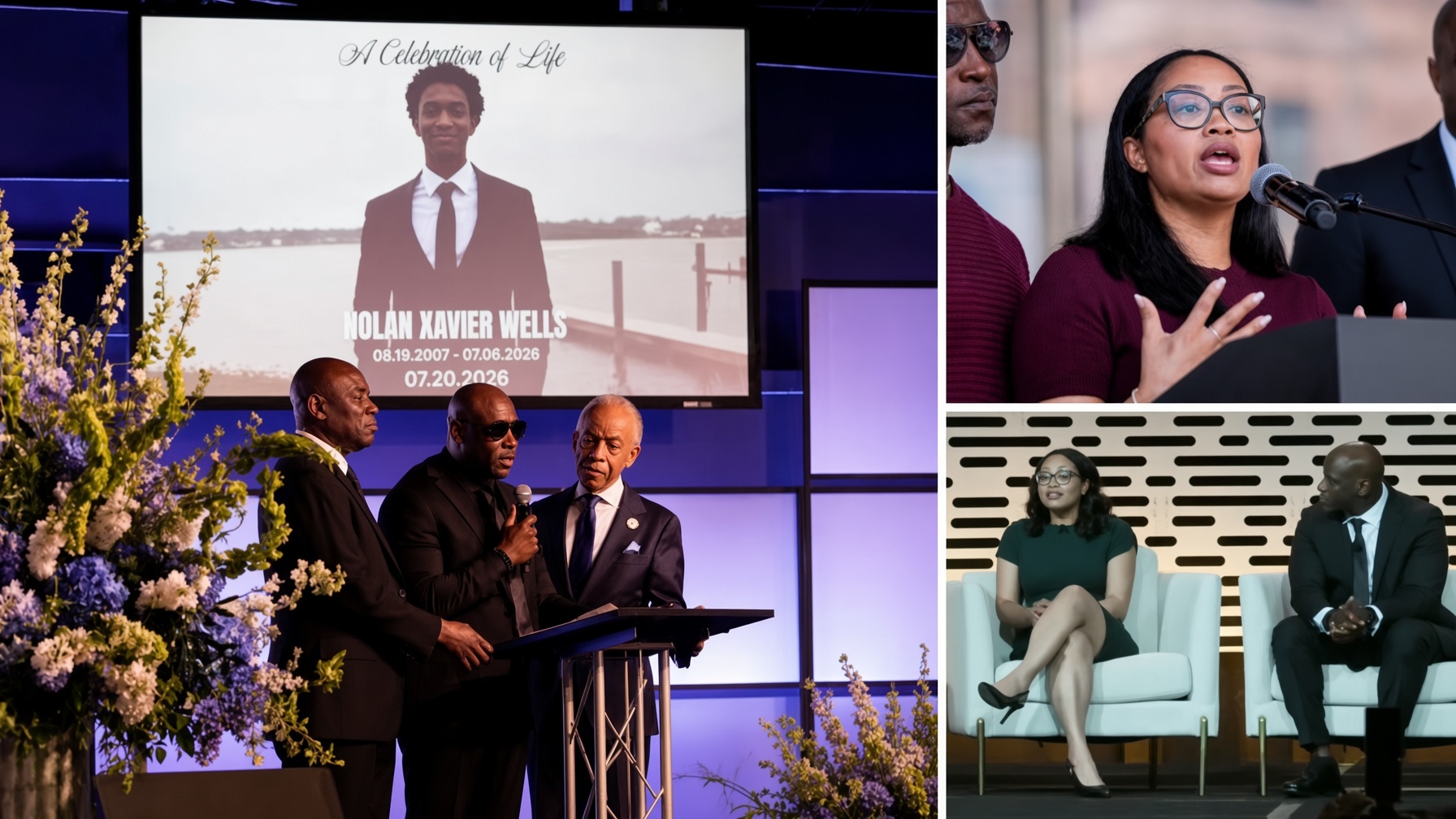
On July 10, the family appeared with civil rights attorney Ben Crump and Rev. Al Sharpton in New York and publicly demanded a deeper and more transparent investigation.
Crump said the information the family was receiving was not fully adding up.
The family made clear they were not asking the public to decide what happened.
They wanted investigators to establish it.
Then Came the Independent Autopsy
The family commissioned its own examination by forensic pathologist Dr. Roger Mitchell Jr.
Its findings did not solve the mystery.
The independent autopsy listed Nolan’s cause and manner of death as undetermined pending further investigation.
Mitchell reported no fractures and no significant deep-tissue injuries.
But he documented an area of red discoloration on the back of Nolan’s skull that he said required further investigation.
The second examination also faced substantial limitations.
Nolan had already undergone the official state autopsy, and decomposition affected what Mitchell was able to examine independently.
As a result, the private autopsy could neither establish a definitive cause of death nor rule out foul play.
That left the case in an unusual position.
The independent examination did not establish that Nolan was attacked.
But it also did not provide the definitive accidental-drowning explanation his family had been seeking answers about.
The Official Autopsy Is Complete — But the Public Hasn’t Seen It
Another important development came at the end of July.
Officials confirmed that the Mississippi State Medical Examiner had completed Nolan’s official autopsy.
But its findings have not been publicly released.
Instead, the results are expected to become part of evidence presented during the grand-jury process.
Jackson County District Attorney Angel Myers McIlrath has confirmed that evidence surrounding Nolan’s death will be presented to a grand jury.
That does not mean anyone has been charged.
Nor does it mean prosecutors have concluded that a crime occurred.
A grand jury can review evidence and determine whether criminal charges are supported.
The proceedings are generally confidential.
For Nolan’s family, however, the decision represents something they had been asking for from the beginning:
A deeper review of the evidence.
Nolan’s Phone Has Become Another Unresolved Piece of the Investigation
Few pieces of evidence have attracted more attention than Nolan’s cellphone.
The phone returned to the mainland while Nolan remained on Horn Island.
His family believes it could help reconstruct his final hours, including communications and digital activity surrounding July 4.
Yet more than a month after Nolan disappeared, the phone still had not undergone the joint forensic examination his family expected.
According to PEOPLE, the family and district attorney’s office have disagreed over the logistics of how the device should be transferred and analyzed.
The family says it is willing to participate in a joint forensic examination and has suggested involving an independent forensic laboratory or federal authorities.
The district attorney’s office has sought possession of the device for law-enforcement examination.
That disagreement has delayed analysis of an object both sides appear to recognize could contain important information.
Nolan’s Friends Are Now Giving More Detail About Their Final Interaction
The people who traveled with Nolan have also begun providing more detailed public accounts.
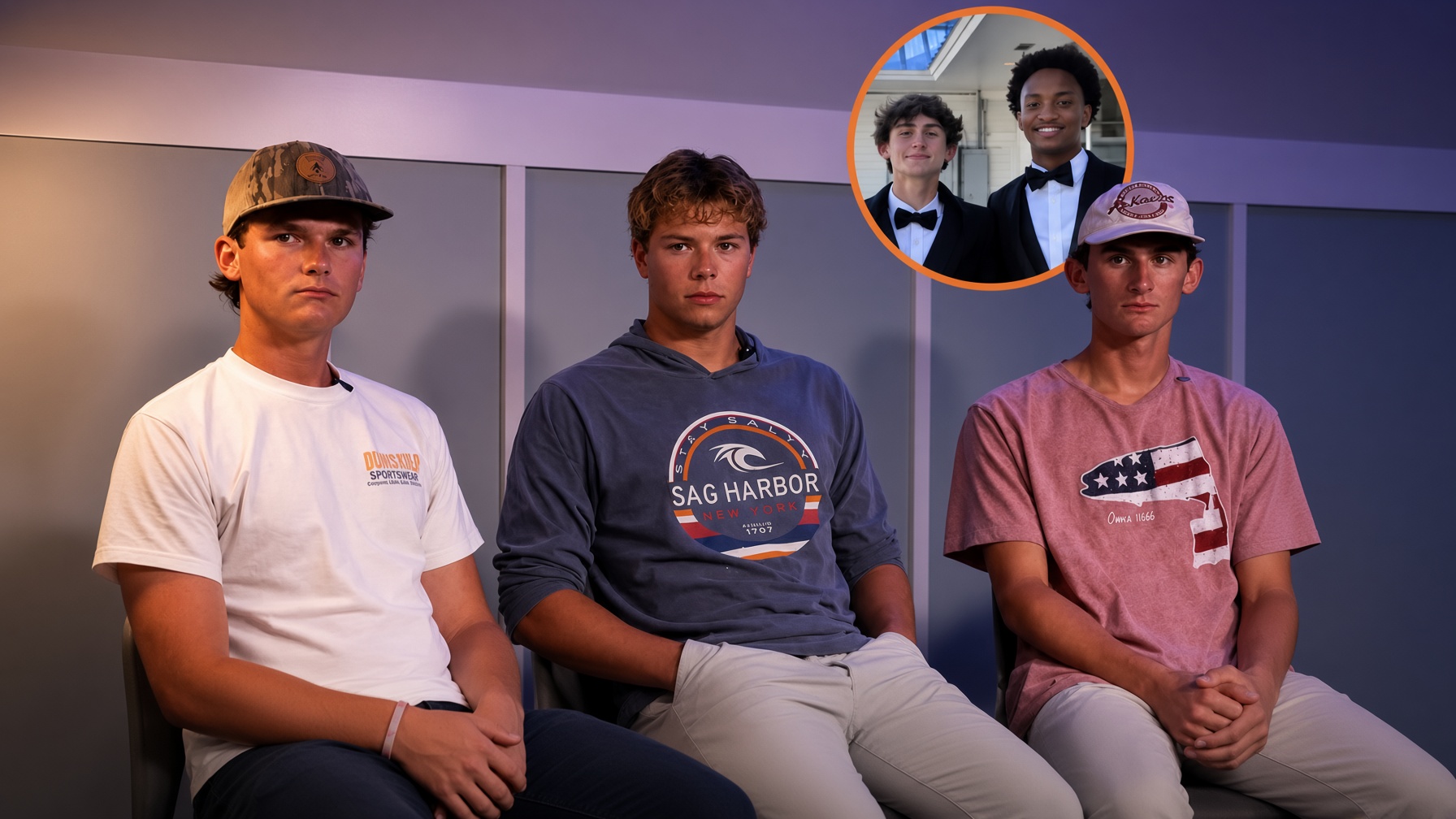
Friends Warren Hudson, Jax Pitalo and Morgan Seymour told PEOPLE that their boat experienced mechanical problems and that Nolan remained on Horn Island because he intended to find another ride home.
They say Nolan voluntarily chose to stay.
His family has struggled to reconcile that explanation with what they knew about him — particularly the fact that his phone went back to the mainland without him.
Those accounts are evidence investigators can examine, not final answers about what happened.
And authorities have not publicly charged Nolan’s friends in connection with his death.
That distinction has become increasingly important.
Online Speculation Has Created an Entirely Separate Problem
As unanswered questions accumulated, the case exploded across social media.
Unverified accusations began circulating.
AI-generated images and documents were presented as authentic evidence.
People connected to the trip were accused online of crimes despite no such charges being filed.
The United Cajun Navy later released material compiled from publicly submitted photos, videos, GPS information and social-media posts, but law enforcement has repeatedly cautioned against treating online speculation as established evidence.
The consequences have moved beyond the internet.
Several people have faced federal charges over alleged threats connected to the case.
Friends who were with Nolan on July 4 have described harassment and threats.
Those prosecutions are about alleged threatening communications — not allegations that the defendants caused Nolan’s death.
Calls for Federal Scrutiny Are Growing
The family’s demand for transparency has also moved beyond Mississippi.
Members of the Congressional Black Caucus have called for federal involvement, with Rep. Lucy McBath joining Nolan’s parents, Crump and other advocates in seeking a Justice Department review.
For Nolan’s family, the push is connected not only to individual unanswered questions but also to their broader distrust of how the investigation initially unfolded.
Nolan was Black and had traveled to Horn Island with a predominantly white group.
His death has therefore also generated discussion about Mississippi’s racial history and whether that history contributes to the family’s distrust of local institutions.
But the family says its central demand is simpler than the national debate surrounding the case.
They want the evidence followed wherever it leads.
More Than a Month Later, What Do We Actually Know?
Some facts are established.
Nolan traveled to Horn Island on July 4.
His friends returned without him.
His phone returned to the mainland.
His body was found July 6.
The independent autopsy could not determine a cause or manner of death.
The official autopsy is complete but has not been publicly released.
The evidence is expected to go before a grand jury.
And no one has been publicly charged with causing Nolan’s death.
Everything beyond those facts must be treated carefully.
The absence of a definitive explanation does not prove foul play.
But an early belief that foul play was unlikely does not answer every question either.
That is precisely why Nolan’s parents continue pushing for more scrutiny.
The Question His Family Asked in July Hasn’t Gone Away
When Christine Wells-Wonsley stood before cameras alongside Ben Crump and Al Sharpton on July 10, the case was less than a week old.
At that point, the family was asking authorities not to reach conclusions before all of the evidence had been examined.
More than a month later, considerably more information exists.
There has been a second autopsy.
The official autopsy has been completed.
A grand jury is expected to review the investigation.
Nolan’s friends have publicly described their version of the final interaction.
The cellphone remains a point of dispute.
Federal lawmakers have called for additional scrutiny.
And the investigation has attracted national attention.
Yet none of those developments has publicly answered the question Nolan’s parents have been asking since July 4:
What happened to their son on Horn Island?
Until forensic evidence, digital records, witness accounts and the remaining investigative material can provide a reliable answer, Nolan Wells’ story remains what his family said it was from the beginning:
A search for the truth — not a conclusion reached before the evidence is finished speaking.
Main Sources: Mississippi Free Press, Associated Press, Reuters, Mississippi Today, PEOPLE