Thirty-Year-Old Brazilian Woman Trapped in a Baby’s Body Due to Untreated Congenital Hypothyroidism
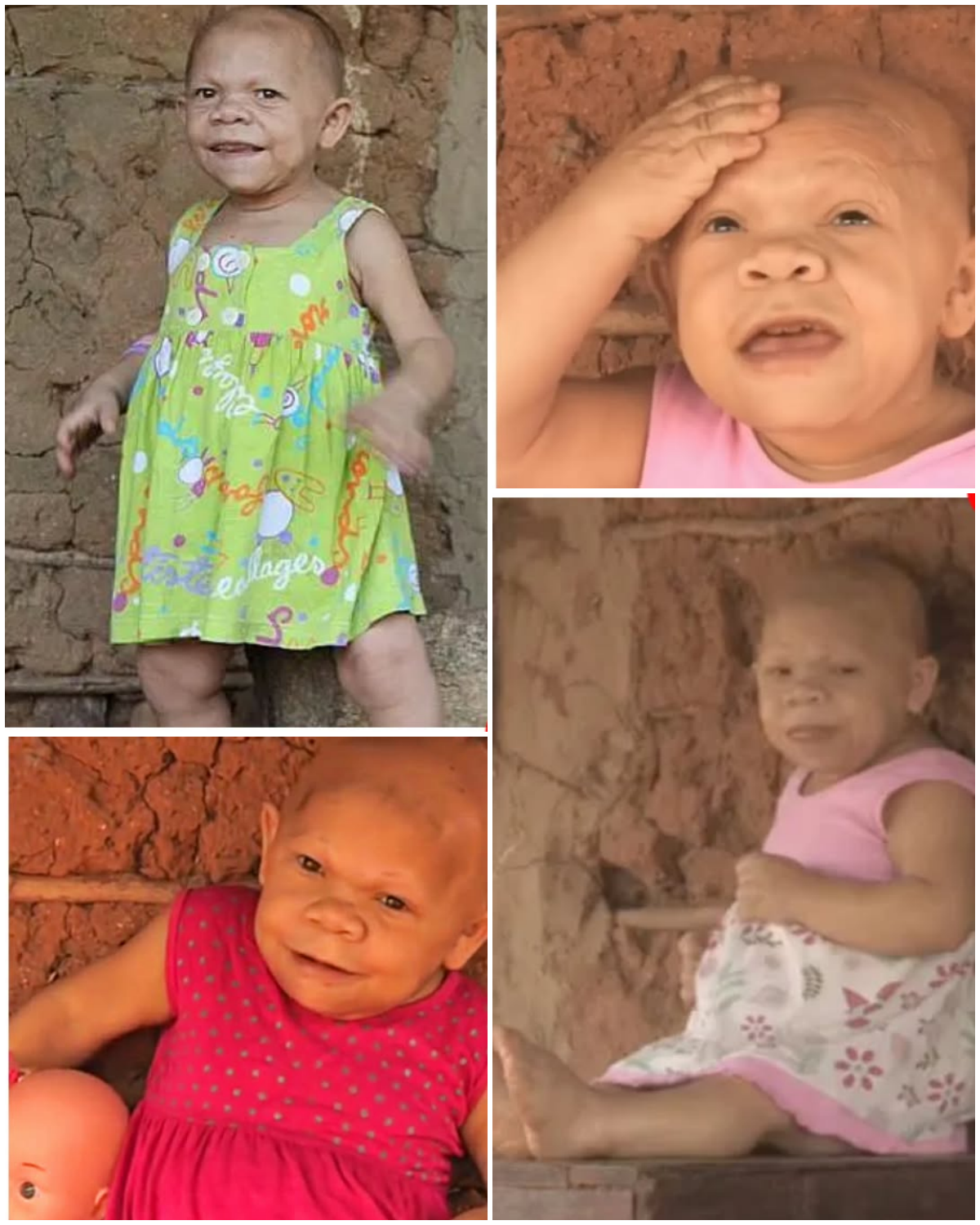
Maria Audenete do Nascimento was born on May 7, 1981, in a rural area of Ceará, one of Brazil’s poorest northeastern states. From her earliest months, she suffered from severe congenital hypothyroidism—a condition in which the thyroid gland fails to produce enough hormones essential for growth, metabolism, and brain development. Without timely diagnosis and treatment, her physical and mental development halted around nine months of age.
Today, although she is in her thirties, Maria retains the appearance, size, and developmental level of an infant. She cannot speak or walk, relies on diapers, and requires constant care for basic needs. Strangers often mistake her for a baby, unaware of the lifelong consequences of a treatable medical condition that went unaddressed. Specialists have stated that with early hormone replacement therapy—typically levothyroxine started in the first weeks of life—she could have grown and developed normally.
Congenital hypothyroidism is the most common preventable cause of intellectual disability. It affects roughly 1 in 2,000 to 4,000 newborns worldwide. In Brazil, neonatal screening (the “teste do pezinho,” or heel-prick test) is mandatory and can detect the condition within days of birth, allowing prompt treatment that prevents irreversible damage. In Maria’s case, poverty and limited access to healthcare in rural Ceará meant the diagnosis came too late. By the time medical attention was sought, the critical window for normal development had closed.
Maria lives with her father and his second wife, Dora, who has cared for her since her biological mother died more than a decade earlier. The family resides in a modest mud-brick home and has struggled financially to provide any specialized care. Experts from the Faculty of Medicine at the University of Ceará examined her and confirmed the diagnosis of severe thyroid hormone deficiency. They offered free specialized treatment aimed at improving her mobility, enabling her to walk short distances, feed herself, and possibly utter a few words—goals that could enhance her quality of life even if full cognitive recovery is no longer possible.
Maria’s story underscores two interconnected realities: the devastating lifelong impact of untreated congenital hypothyroidism and the role of socioeconomic barriers in determining health outcomes. While neonatal screening programs have dramatically reduced the incidence of severe cases in many countries, gaps in access—especially in underserved rural regions—continue to leave some children vulnerable. Her case remains a powerful reminder that a simple, inexpensive daily medication, if started early, can transform a life that would otherwise remain arrested in infancy.
Sources
- El Espectador / UYPress reports on Maria Audenete do Nascimento (2011)
- Oddity Central: “30-Year Old Brazilian Woman Looks Like a 9-Month Baby”
- La Vanguardia and related international coverage (2011)
- Brazilian Society of Endocrinology and Metabolism recommendations on congenital hypothyroidism; general medical literature on neonatal screening and outcomes