Solidarity and Hope: The Inspiring Story of Nicolás and His Battle with Proteus Syndrome in Medellín
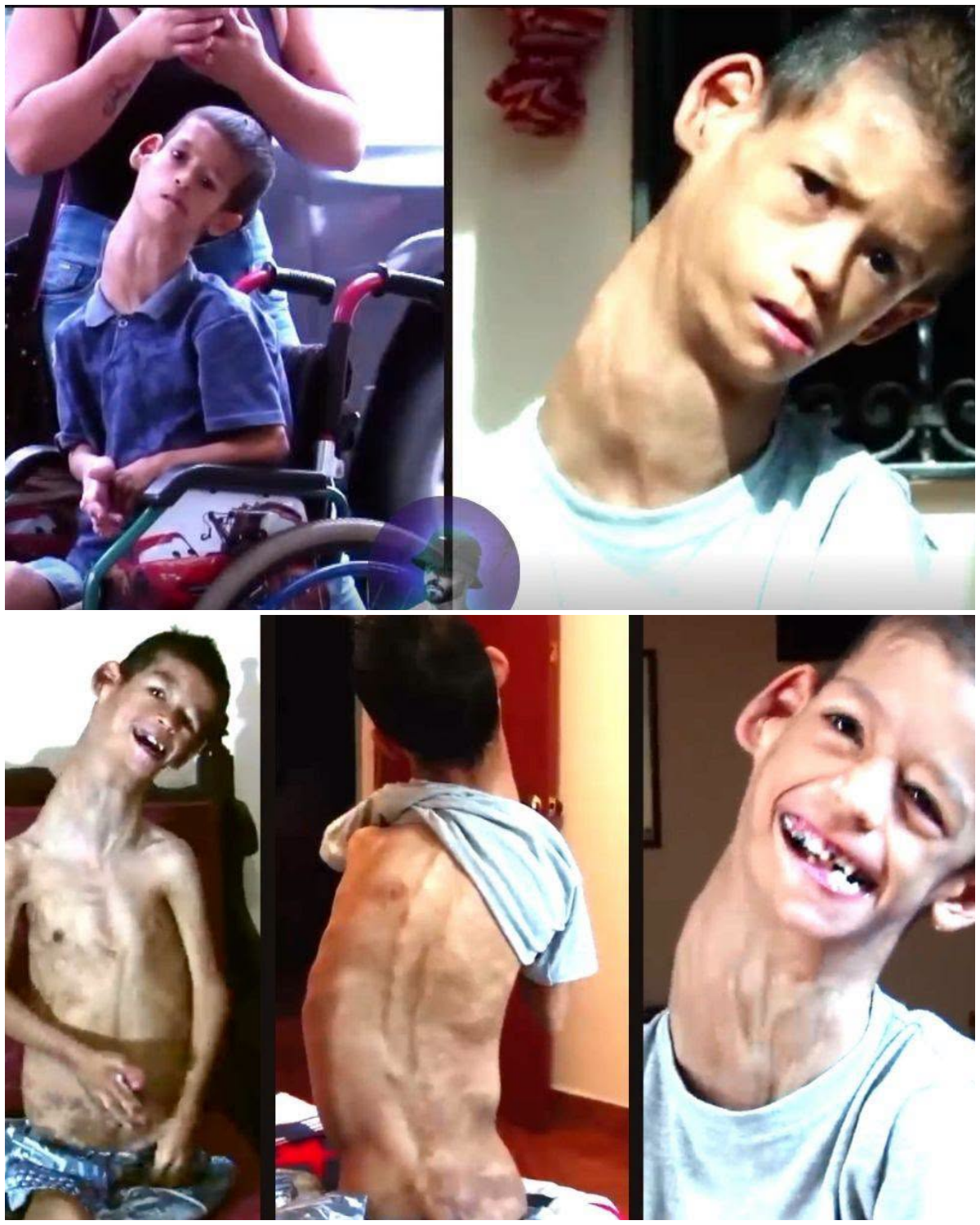
In Medellín, Colombia, a young boy named Nicolás Osorio has become a symbol of resilience in the face of one of the rarest genetic conditions known to medicine. Diagnosed with Proteus syndrome—historically associated in medical literature with the case of Joseph Merrick, the so-called “Elephant Man”—Nicolás faces progressive, asymmetric overgrowth of bones, skin, and soft tissues. This mosaic genetic mutation, caused by a somatic change in the AKT1 gene that occurs after conception, leads to disproportionate growth that can severely affect mobility, breathing, and quality of life.
Born on March 11, 2013, appearing healthy at birth, Nicolás showed early signs of asymmetry within the first weeks of life. By around two to three months of age, doctors identified differences in the size of his hands and feet, leading to the formal diagnosis of Proteus syndrome. By the time he was six years old in 2019, the overgrowth had become pronounced: his right side measured significantly larger than his left, his neck was tilted in a way that complicated breathing, and his hands and feet carried multiple benign tumors. The progressive nature of the condition raised serious concerns among specialists about potential further complications, including neurological risks if cranial or spinal involvement worsened.
Proteus syndrome is extremely rare, with fewer than 200 confirmed cases reported worldwide and an estimated prevalence of less than one in a million. There is no cure. Management focuses on multidisciplinary care—orthopedic interventions, reconstructive surgeries when feasible, physical therapy, custom adaptive clothing and footwear, monitoring for vascular complications (such as deep vein thrombosis), and supportive treatments to preserve function and comfort. For Nicolás and his family, everyday challenges include limited mobility, difficulty finding suitable shoes and clothing, and the emotional weight of a progressive condition with an uncertain long-term outlook.
Despite these obstacles, Nicolás and his family have shown remarkable strength. Local media coverage in 2019 by outlets such as Testigo Directo and Teleantioquia brought national attention to his case, highlighting both the medical realities of “orphan” or rare diseases and the human capacity for resilience. The reports portrayed not only the physical struggles but also the love, determination, and community solidarity surrounding the boy. His story has served as a powerful call for greater empathy, improved access to specialized multidisciplinary care, and support systems that allow children with complex conditions to experience childhood with as much dignity, play, and joy as possible.
Nicolás’s journey underscores broader challenges faced by families living with ultra-rare disorders in Colombia and beyond: delayed diagnosis, limited specialized resources, the high cost of adaptive equipment and ongoing care, and the need for sustained social and medical support. While medical science continues to study targeted therapies aimed at the underlying AKT1 pathway, for now the emphasis remains on compassionate, individualized care and the strength of human solidarity.
His story remains a moving reminder that behind every rare diagnosis is a child who deserves the chance to live fully, supported by family, community, and a healthcare system willing to meet extraordinary needs with extraordinary commitment.
Sources
- Testigo Directo: “Nicolás: el niño elefante, el guerrero, un ángel…” (YouTube, June 2019)
- Teleantioquia: “Una en un Millón, Síndrome de Proteus” (2019)
- NORD (National Organization for Rare Disorders) and Orphanet clinical summaries on Proteus syndrome
- Medical literature on Proteus syndrome etiology, clinical features, and management (including AKT1 mutation studies)