WHAT REALLY HAPPENED TO NOLAN WELLS? THE FINAL HOURS OF AN 18-YEAR-OLD THAT STILL DON’T MAKE SENSE
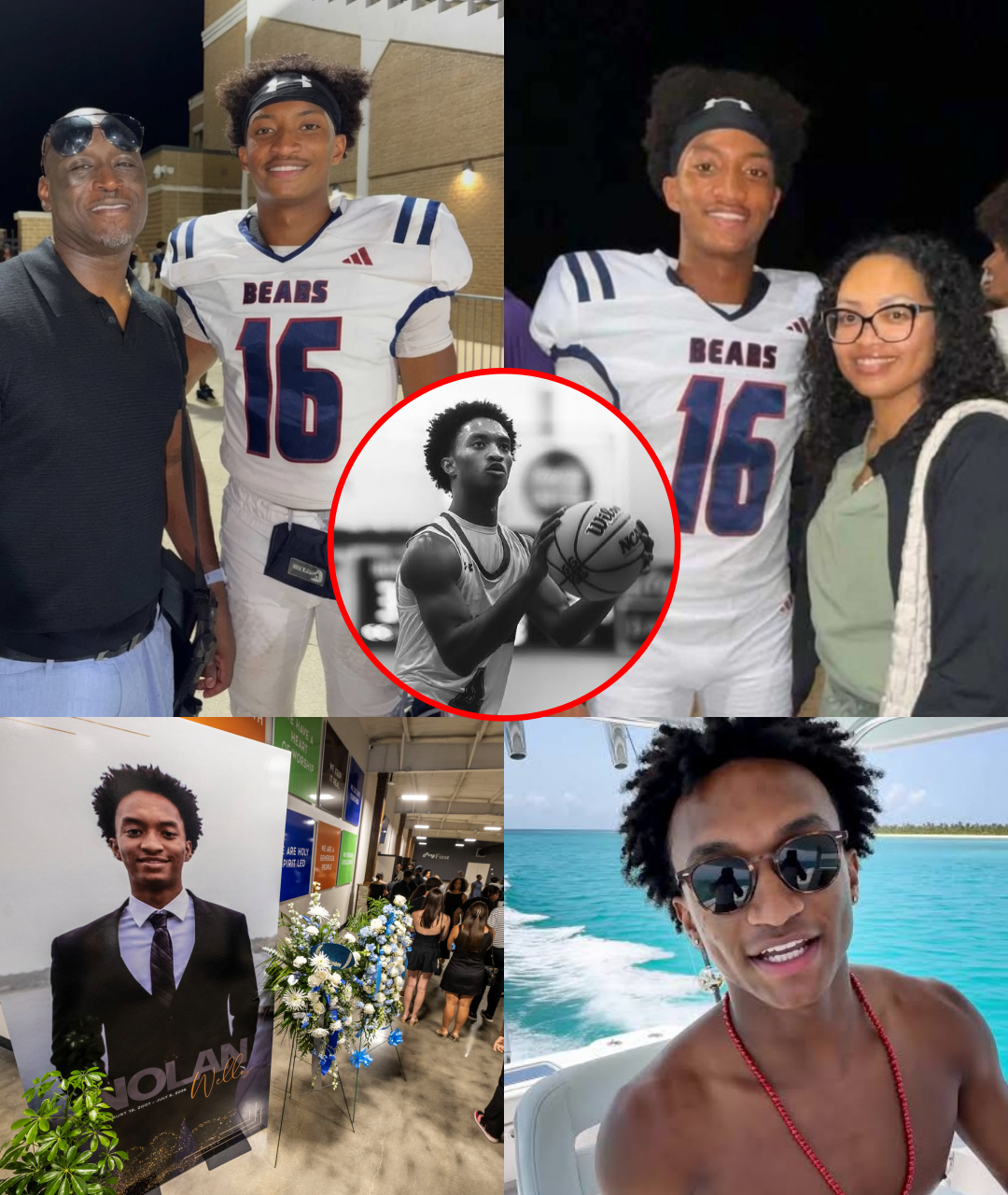
The death of 18-year-old Nolan Wells has left behind a question that, weeks after his body was discovered off Horn Island, still has no definitive public answer: what actually happened during the final hours of his life, and how did a young college football player who traveled to the Mississippi barrier island with friends on July 4 end up dead in the water two days later while the people who accompanied him returned to the mainland without him? The basic outline of the case is known, but the details inside that outline remain deeply contested, and that distinction is important because investigators have not publicly concluded that Nolan was murdered, while at the same time his family and their legal team argue that too many unanswered questions remain to simply accept an accidental drowning as the final explanation.
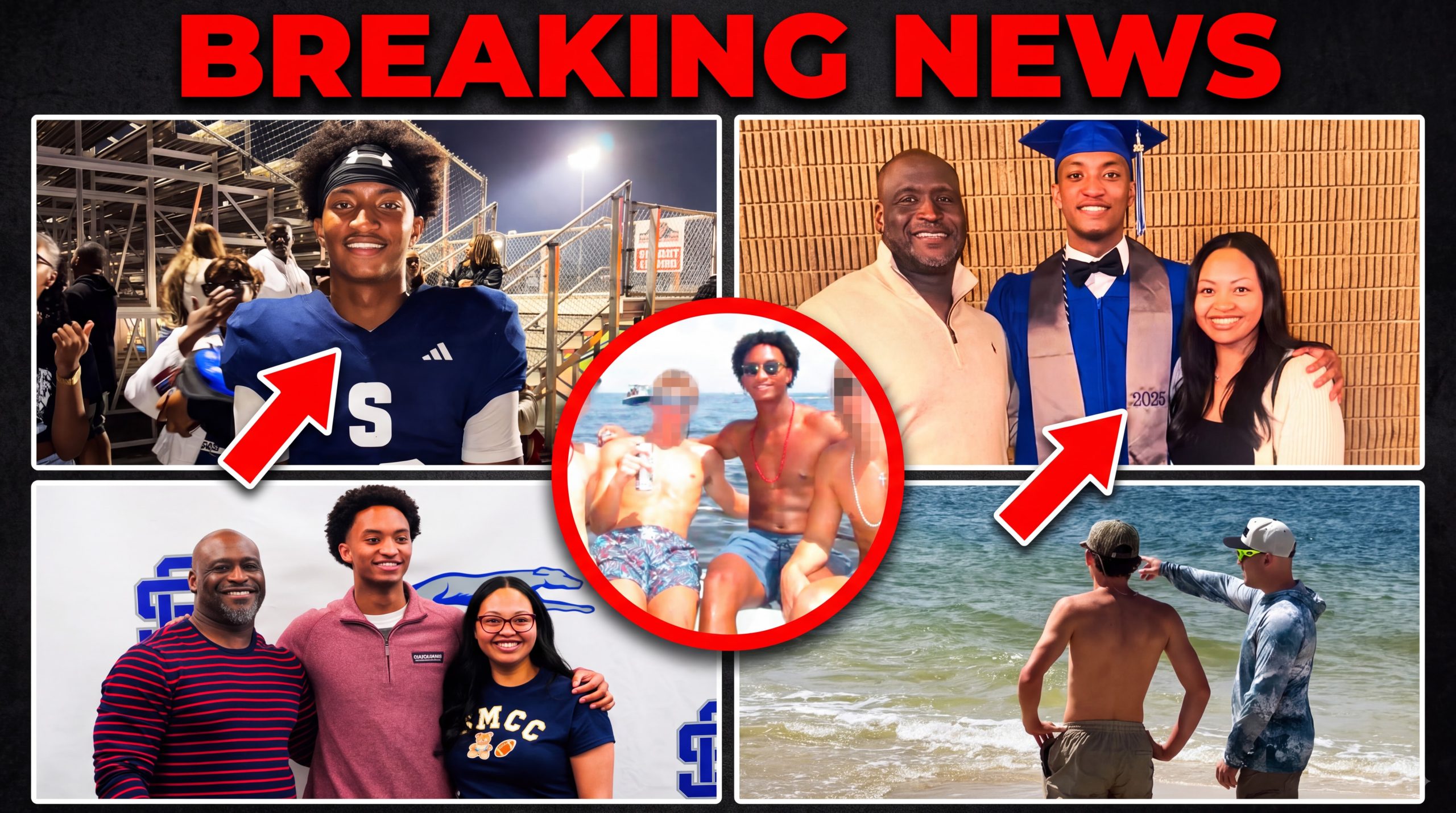
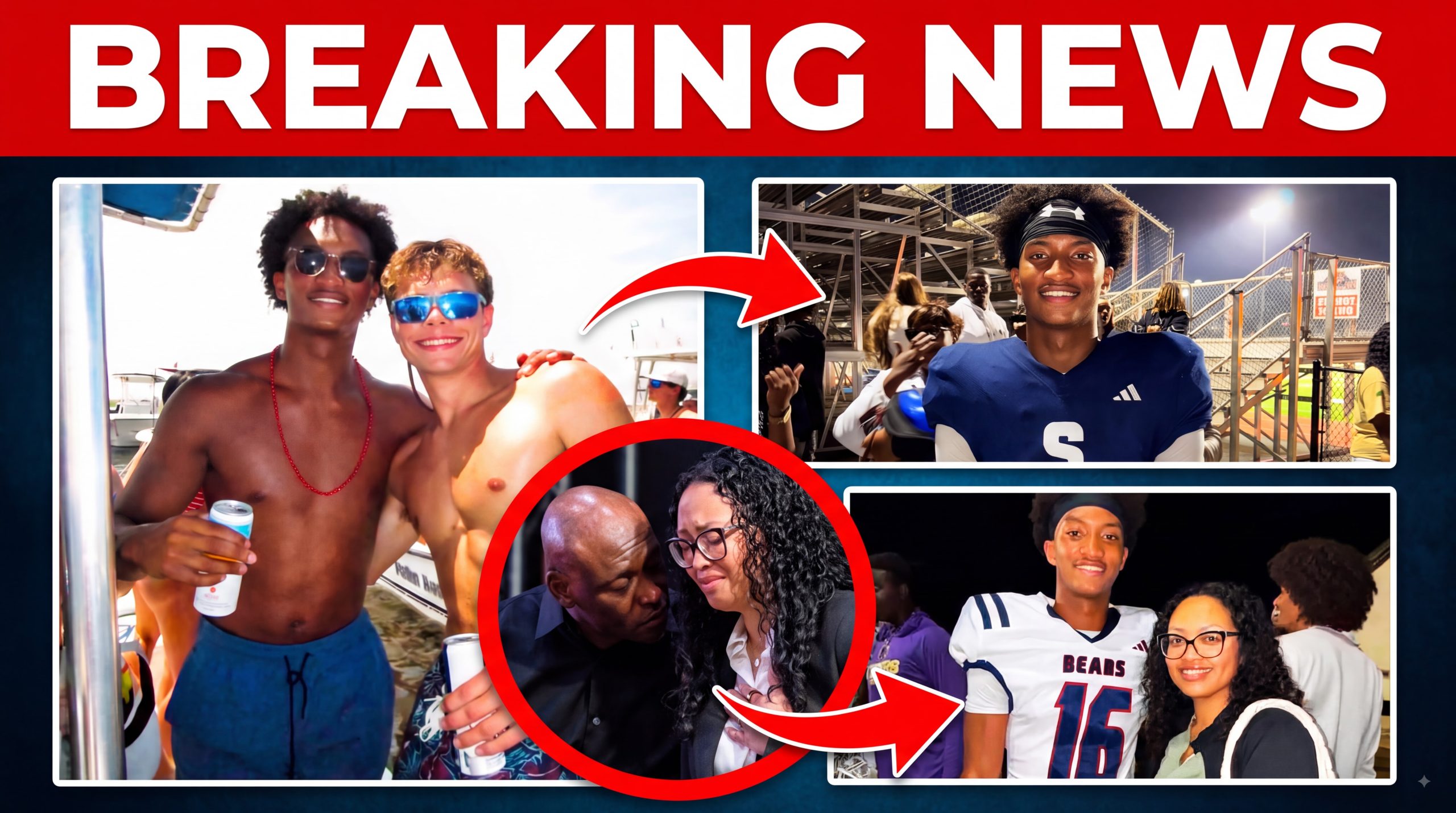
Nolan traveled to Horn Island on Independence Day with a group of friends, and according to marine data, the boat left the Ocean Springs area at approximately 9:56 a.m. and reached Horn Island around 11:14 a.m., placing the group on the island for several hours before the situation changed dramatically. Nolan was reportedly last seen around 3 p.m., and his friends have said that he chose to remain on the island after meeting a young woman at the gathering, explaining that he intended to find another way back rather than leave with them, a version of events that his family has questioned because Nolan apparently remained without the cellphone and keys that had traveled with him on the boat.
That single detail has become one of the most persistent mysteries in the case, because Nolan’s phone did not disappear with him; instead, it returned to the mainland, and according to his family, the device was later located through a location-sharing application at a residence connected to one of the people who had been on the boat. The family has also said that when they looked through Nolan’s phone, they found that expected social-media material from the July 4 gathering was missing, including photographs and Snapchat content that they believed would normally have been present because Nolan frequently recorded and photographed events with friends. Those observations do not, by themselves, establish that anyone tampered with the phone or deleted evidence, but they explain why the device has become such a significant part of the family’s independent investigation.
Nolan’s friends have consistently disputed the implication that anything suspicious happened to the phone, and one of them, Warren Hudson, has said that Nolan simply left the phone behind because he intended to remain on the island, while more recent interviews with Hudson, Jax Pitalo and Morgan Seymour have repeated the account that Nolan wanted to stay after meeting a girl and believed he had another way to return. Their version is important because it provides a possible explanation for why Nolan voluntarily separated himself from the group, but it does not independently establish what happened after they left, which is precisely the gap that continues to concern Nolan’s parents.
The medical evidence has also failed to provide the simple answer the family desperately wants. The independent autopsy commissioned by Nolan’s family concluded that the cause and manner of death were undetermined, and the forensic pathologist was unable to rule out non-accidental causes because of limitations involving decomposition and the availability of certain tissues and organs from the original examination. The examination did not reveal obvious fractures or deep tissue injuries, but it did identify an unexplained area of red discoloration involving the back of Nolan’s head, a finding that requires interpretation but should not automatically be treated as proof of an assault.
Meanwhile, the official state autopsy has been completed, but its findings have remained sealed while the case moves toward grand-jury review, leaving the public without the medical conclusions that could potentially clarify whether drowning was established, whether another mechanism of death was identified, or whether the official medical examiner also reached an undetermined conclusion. Until that information becomes available, statements that Nolan was definitely murdered or definitely drowned go beyond what the publicly released evidence can currently support.
Another important question involves the emergency call made from the boat after mechanical problems were reported, because the family has retained experts to analyze that recording and determine whether it can provide additional information about what was happening during the critical period when Nolan was no longer with the group. The call reportedly involved a malfunctioning bilge pump and concerns that the boat was taking on water, making the timeline of the group’s departure particularly important, because every minute between Nolan’s last confirmed sighting and the boat’s eventual return to the mainland could potentially help investigators reconstruct what happened.
The investigation has now expanded beyond a local missing-person case, with the Congressional Black Caucus calling for federal review and the NAACP joining the legal effort supporting Nolan’s family, developments that reflect how deeply concerns about transparency and accountability have affected the case. Yet federal involvement should not be confused with a finding that local investigators have proven wrongdoing, because the central question remains unresolved: whether Nolan died accidentally, whether an unknown medical or environmental event played a role, or whether evidence of human involvement has yet to be uncovered.
Perhaps the most honest description of the Nolan Wells case at this point is not that investigators have discovered a hidden crime, but that they have not yet produced a complete explanation for an unexplained death, and those are two very different things. Nolan’s family is asking investigators to examine every available piece of evidence, from the cellphone and emergency call to the boat’s movements, witness accounts and medical findings, because until those pieces are examined together, the final hours of an 18-year-old’s life remain a story with too many missing pages.