THE FOUR MONTHS THAT ENDED IN TRAGEDY: WHAT HAPPENED AFTER PRESTON DAVEY LEFT FOSTER CARE?
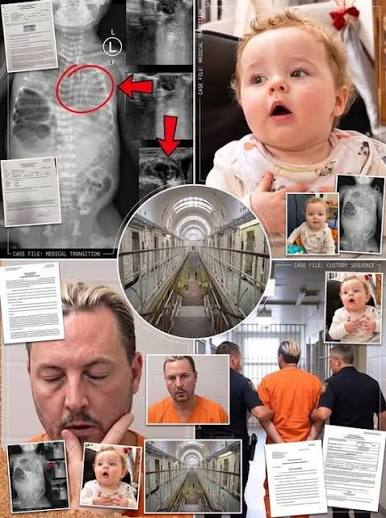
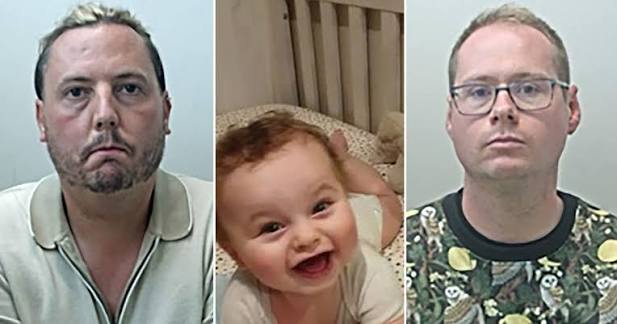
Preston Davey’s life lasted only 13 months, but the final four months of it have become the focus of one of the most disturbing child-protection cases in Britain. After spending much of his infancy with experienced foster carers, Preston was moved into the home of Jamie Varley and John McGowan-Fazakerley as part of an adoption process. Roughly four months later, he was dead. The men are now behind bars, with Varley serving a whole-life sentence for murder and McGowan-Fazakerley serving 25 years for his role in Preston’s death and related offences. Yet the question that continues to demand answers is deceptively simple: what changed after Preston entered their home?
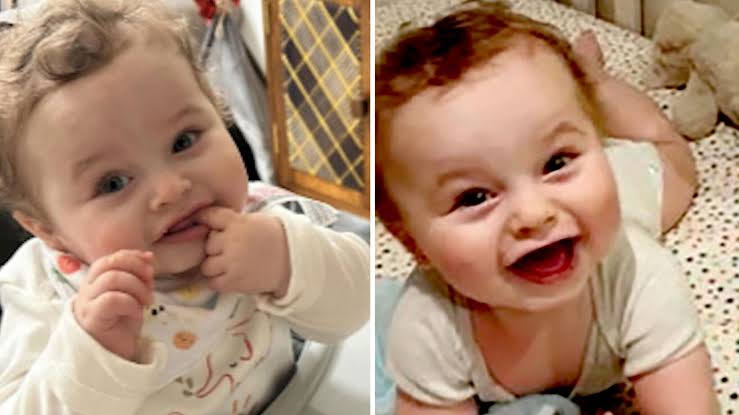
Before the adoption placement, Preston’s circumstances were already known to authorities because he had entered emergency foster care only days after his birth. Foster carers Sandra and Paul Cooper reportedly cared for him from when he was five days old until he was approximately nine months old. Accounts from the court portrayed Preston as a happy child during that period, making the subsequent deterioration in his circumstances particularly painful for those who knew him.
Varley and McGowan-Fazakerley had gone through an adoption process before Preston was placed with them. The couple had been approved as prospective adopters, and Preston was eventually moved into their care. On paper, the arrangement represented the kind of permanent family environment the adoption system is designed to provide. But the prosecution later presented a radically different picture of what happened inside the home.
The court heard that Preston was subjected to repeated physical and sexual abuse. More than 40 injuries were identified during the investigation, and evidence presented at trial included disturbing material recorded by Varley. Prosecutors argued that the abuse was not an isolated incident but part of a pattern that developed during the months Preston lived with the couple.
The tragedy became apparent when Preston was taken to Blackpool Victoria Hospital unconscious and in cardiac arrest on 27 July 2023. He could not be saved. Varley initially offered an explanation involving an accidental drowning, but the forensic evidence ultimately contradicted the account, and investigators discovered evidence that became central to the prosecution case.
The criminal trial therefore established what happened at the end of Preston’s life. But it also exposed a second timeline: the timeline of opportunities to notice that something was wrong.
Preston had been seen by healthcare professionals several times before his death. Reports indicate that he attended hospital on multiple occasions during the short period he lived with Varley and McGowan-Fazakerley, including after suffering injuries. The fact that he had repeated contact with medical services has become one of the most important issues in the safeguarding review.
The difficulty is that hindsight can make warning signs appear obvious when they were not necessarily interpreted that way at the time. A safeguarding investigation must therefore distinguish between what professionals reasonably knew then and what investigators discovered later. That is why the independent review is so important.
It must ask what information was available at each stage, who received it, how it was interpreted and whether information from different agencies was combined. It must also examine the decisions surrounding Preston’s placement and whether concerns raised by one professional were properly communicated to others.
The national Child Safeguarding Practice Review Panel is working alongside the local review precisely because Preston’s death raises questions that go beyond one household. The purpose is to identify lessons for the wider child-protection system rather than simply assign blame after the fact.
Another unanswered issue concerns the adoption process itself. Varley was a schoolteacher and had held safeguarding responsibilities within his professional life, a background that may have contributed to an image of respectability and competence. The prosecution described him as manipulative and deceptive, while evidence from the trial demonstrated the enormous gap between his public presentation and what was happening to Preston.
That gap raises a difficult question for every adoption system: how can authorities evaluate not only whether applicants appear suitable, but whether they remain suitable after a child has been placed in their care?
Approval is not the end of safeguarding. A successful adoption process still requires professionals to remain alert to the child’s welfare once placement begins.
The July 2026 coroner hearing added another layer to the case, with the senior coroner indicating that an inquest was highly likely. That could allow further scrutiny of the circumstances surrounding Preston’s death and the involvement of public bodies.
For those searching for one single moment when Preston could have been saved, the eventual findings may be more complicated. There may not have been one dramatic missed opportunity. Instead, the review could reveal a series of smaller decisions, each appearing manageable in isolation, that collectively allowed danger to continue.
That possibility is perhaps the most important lesson in the entire case.
Preston did not disappear from the system. He was seen. He was treated. Professionals were involved. Records existed. People were responsible for his welfare. Yet he still died.
The unanswered question is therefore not simply why no one knew. It is whether enough people knew enough pieces of the truth — and whether those pieces were ever brought together in time.
That is what the ongoing safeguarding review and potential inquest must now establish.