THE PHONE, THE DELETED MESSAGES AND THE LAST SIGHTING: WHY NOLAN WELLS’ DIGITAL TRAIL MATTERS
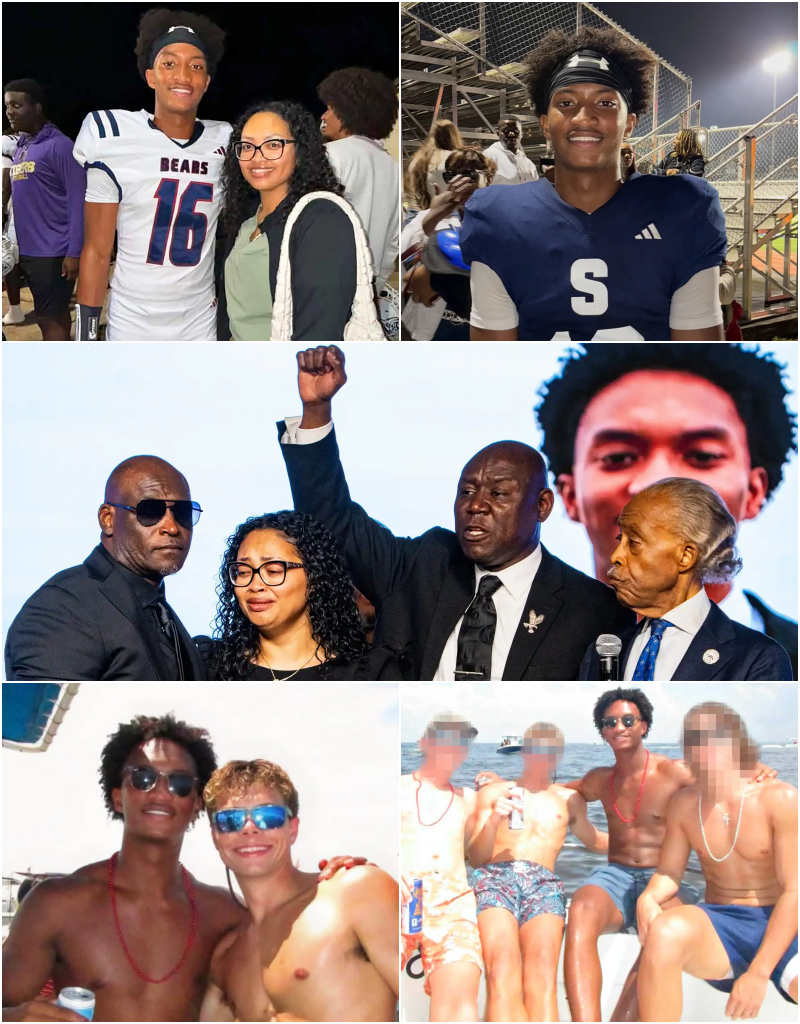
Among all the unanswered questions surrounding the death of Nolan Wells, few have attracted as much attention as the story of his cellphone, because unlike Nolan himself, the device made it back from Horn Island, creating a potentially valuable digital record of what happened before his disappearance, yet the family says that when they recovered it, some of the content they expected to see was missing, turning an ordinary smartphone into one of the most closely watched pieces of evidence in the case.
Nolan’s family has explained that his phone was located after his disappearance and eventually returned to them, and they were surprised by what they found when they looked through it, particularly the apparent absence of photographs, Snapchat material and other content from July 4 that they believed Nolan would normally have created during a social gathering. His mother has described this as concerning because Nolan was known to take pictures and videos at events, but it is essential to distinguish between missing digital content and proof that someone deliberately deleted it, because modern phones can lose or overwrite data for many reasons, and only a forensic examination can establish when information was deleted, whether it can be recovered and potentially whether another person interacted with the device.

That is why the planned forensic examination is so important, and the situation has evolved in recent days, with the family’s legal team indicating that the phone is moving toward a joint forensic examination rather than remaining permanently outside investigators’ reach. The dispute has largely centered on how the examination should be conducted, including preservation of the original device, extraction procedures, chain of custody and access to the resulting data, concerns that are particularly significant in a case where both the family and authorities want the evidence to remain credible and usable if it eventually becomes relevant to a criminal proceeding.
The phone could potentially answer questions that witness statements cannot, although there is no guarantee that it will solve the case. Investigators may be able to determine communications shortly before Nolan’s disappearance, recover deleted material if it remains technically recoverable, examine photographs and metadata, review location information and identify interactions that could help establish his movements or state of mind during the final hours before he vanished. None of those possibilities means that the phone necessarily contains evidence of a crime; its importance comes from the fact that digital information can sometimes independently confirm or contradict portions of a witness timeline.
That timeline is particularly important because Nolan’s friends have said that he intentionally remained behind on Horn Island after they prepared to leave, allegedly because he wanted to spend more time with a girl he had met at the gathering and believed he could find another way back. They have also said that Nolan left his phone behind, an explanation that his family has found difficult to reconcile with what they knew about him, particularly because Horn Island is remote and does not operate like a normal beach destination with readily available transportation, utilities and commercial services.

The disagreement therefore does not necessarily come down to one side saying that a crime occurred and another side saying it did not; instead, it centers on whether the known facts adequately explain Nolan’s decision to separate himself from the group, and whether the existing evidence can independently verify the account that he intended to return later. If the phone contains conversations with the woman Nolan allegedly met, messages arranging transportation, location data showing where he intended to go or communications indicating his plans, those details could significantly strengthen or weaken the current accounts. Conversely, if the device contains nothing useful, investigators will have to rely even more heavily on physical evidence, witness interviews, marine data and forensic findings.
The phone also matters because the public has already been exposed to an enormous amount of online speculation surrounding Nolan’s disappearance, including claims about alleged confrontations, deleted information and supposed evidence that has not been independently verified. Investigators have not publicly established that Nolan was assaulted, and one widely circulated video initially described by attorney Ben Crump as potentially involving Nolan was later disputed when another person said the voice belonged to him instead. That episode demonstrates how easily a piece of uncertain information can become treated as fact once it spreads online.
For that reason, a proper forensic examination may be valuable not only because it could reveal something new, but because it could help eliminate theories that cannot be supported by the evidence. If investigators recover a complete and consistent digital timeline, some of the speculation surrounding Nolan’s final hours could disappear; if they discover significant inconsistencies, however, the case could become more complicated.
The phone is therefore not a magical answer sitting inside a locked device, and it would be irresponsible to suggest otherwise, but it is a piece of evidence capable of providing something the investigation desperately needs: independently verifiable information about what Nolan was doing, communicating and planning before he disappeared.
Ultimately, the question is not simply whether Nolan’s phone contains a secret, but whether its digital history can help investigators separate what actually happened from what people believe happened, because after weeks of conflicting accounts and unanswered questions, the difference between those two things could determine how the entire case is understood.