Defying the Odds: Graziely Alves Régis and a Lifetime of Care
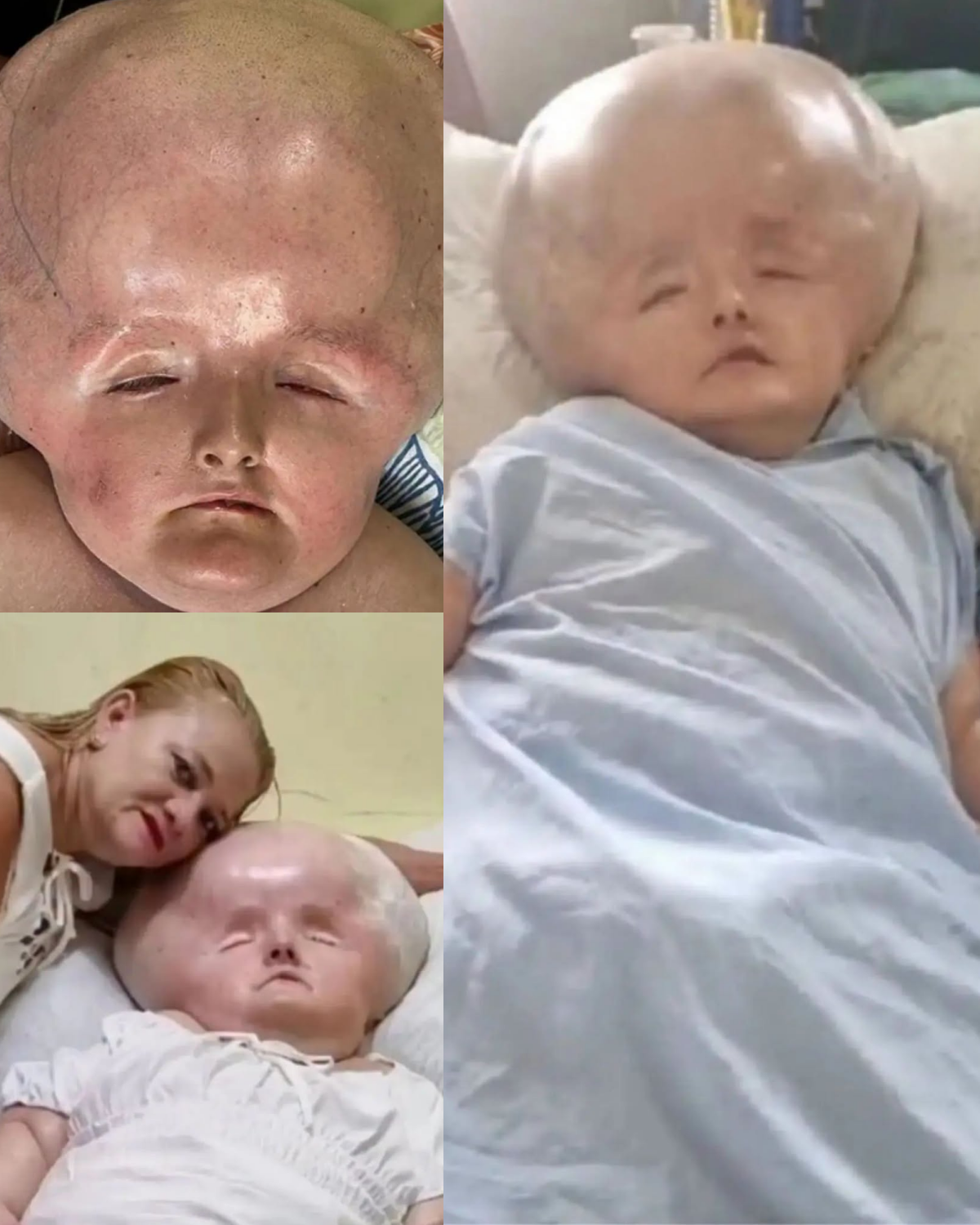
Doctors gave her only three months to live when she was born. Graziely Alves Régis has now lived more than 30 years.
She was born in 1993 in Brazil with severe congenital hydrocephalus, a condition in which excess cerebrospinal fluid accumulates in the brain. The pressure caused her skull to grow disproportionately large. In her case the enlargement was extreme—often described as “gigante” or giant hydrocephalus. Early medical predictions were bleak; many children with untreated severe forms do not survive early childhood.
Graziely cannot see, walk, or speak. She requires full-time care for feeding (soft or pureed foods), hygiene, and overall comfort. Her mother, Adalgisa Soares Alves, has dedicated her life to that care. Adalgisa has described her daughter as a “niña gigante” (giant girl) and emphasizes that Graziely responds to voices and affection even if she cannot communicate in conventional ways. The family lives in São José de Ribamar, Maranhão, and relies heavily on Adalgisa’s constant attention along with community and social-media support.
Over the years the story has reached audiences far beyond Brazil through social media, where followers follow Graziely’s daily life and the family’s efforts. Adalgisa has spoken about the physical and emotional demands of caregiving, the medical costs, and her determination to keep her daughter comfortable and loved.
Graziely’s survival far beyond the original prognosis highlights both the unpredictability of severe neurological conditions and the profound impact of devoted family care. Her life continues to draw attention to the realities faced by people living with extreme forms of hydrocephalus and the families who support them.
Sources
- Brazilian media reports (Itatiaia, O Imparcial, Metrópoles, and others) on Graziely Alves Régis and interviews with her mother Adalgisa
- International coverage summarizing the family’s account of her condition, longevity, and daily care