The Story Behind Every Child’s Smile: Understanding Retinoblastoma
Behind Every Child’s Smile: Understanding Retinoblastoma
Behind a child’s smile there can be a story of courage, resilience, and hope.
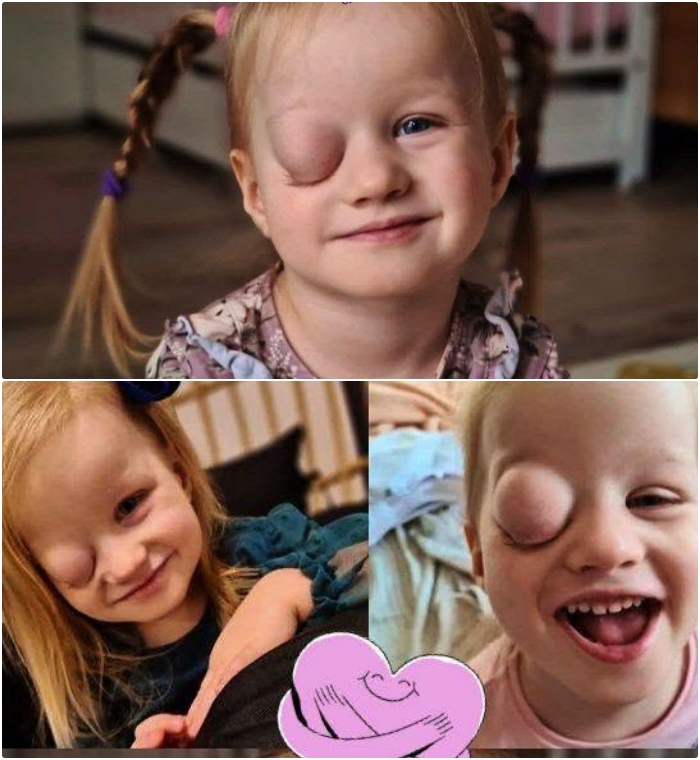
The photographs that accompany this account show a young child with a visible difference around one eye. A single image cannot confirm a diagnosis, but the story can help raise awareness of retinoblastoma — a rare but serious cancer of childhood that begins in the retina, the light-sensitive layer at the back of the eye.
Retinoblastoma most often appears in very young children. According to the National Cancer Institute, it typically occurs in children under 5, and the majority of cases are found before the age of 2. It may involve one eye or both, and it can be either inherited or arise without a family history.
A Rare Cancer of the Eye
Retinoblastoma forms when cancer cells develop in the retina. Though uncommon, it is the most frequent malignant eye tumor seen in children.
The illness can be hard for parents to notice because very young children often cannot describe changes in their vision or tell anyone that something feels wrong with an eye. That is why even small warning signs deserve attention.
The “White Eye” Sign
One of the most recognized clues is leukocoria — a white pupil or white-eye reflection.
In a typical flash photograph, the retina usually produces a reddish glow. When a tumor is present, the pupil may look white instead because light is bouncing off the growth. Families sometimes first notice this unusual reflection in pictures, before any other clear symptoms appear.
A white pupil does not automatically mean cancer. Other eye problems can produce the same appearance. Still, any unusual white reflection should be checked promptly by an eye specialist.
Other Warning Signs
Retinoblastoma can show itself in several ways. Possible signs include:
A white reflection in the pupil, especially in photographs
Eyes that look misaligned or crossed
Redness or pain in the eye
Changes in vision
A cloudy look to the pupil or the colored part of the eye
An enlarged or protruding eye in more advanced cases
Strabismus (crossed eyes) is another important early sign. The NCI lists it as the second most common way the disease first presents.
These symptoms can also occur with conditions that are not cancer. Parents should not try to diagnose retinoblastoma from photos or symptoms alone.
Why Early Detection Matters
Finding the disease early can change treatment options and outcomes.
Doctors examine the retina directly with specialized eye exams. In young children, a full examination may need to be done under anesthesia. Ultrasound and MRI can help assess the eye and show how far the disease has spread.
Treatment depends on the size and location of the tumor, whether one or both eyes are involved, and whether the cancer has spread beyond the eye. Options may include chemotherapy, laser therapy, cryotherapy, intra-arterial or intravitreal chemotherapy, or surgery to remove the affected eye when that is necessary. The first priority of modern care is to save the child’s life, while also trying to preserve the eye and remaining vision whenever it is safely possible.
More Than a Diagnosis
For a child and family facing retinoblastoma, treatment is more than a series of medical procedures.
It can mean repeated exams, hospital visits, procedures, and difficult decisions. Children may have to adjust to changes in vision or appearance. Parents carry the emotional weight of watching a very young child go through cancer treatment.
Photographs can also reveal another side of the experience.
A child can still smile.
A child can still play.
A child can still laugh, grow, and enjoy ordinary moments of childhood.
The condition may change part of a child’s life, but it does not define the whole person.
A Message for Parents
Retinoblastoma is rare, yet knowing its warning signs can help families seek care sooner.
If you notice a persistent white reflection in your child’s pupil, an unusual appearance in photographs, crossed eyes, unexplained redness or swelling of the eye, or changes in vision, contact your child’s pediatrician or an ophthalmologist without delay.
Do not wait for the finding to disappear if something about the eye looks unusual.
An early check does not mean a child has cancer. It simply means a potentially serious problem is given the attention it deserves.
Behind every medical diagnosis is a child — not a condition.
And behind every child facing a difficult diagnosis is a family hoping to see that smile for many years to come.
Sources
National Cancer Institute (NCI) — Retinoblastoma Treatment (PDQ®): information on the disease, age of presentation, symptoms, diagnosis, hereditary forms, and treatment.
National Cancer Institute — Retinoblastoma, Health Professional Version: clinical information on presentation, leukocoria, strabismus, diagnosis, and staging.