The Story of Hassanatu and Hussainatu: The Sisters Who Held Each Other Up Until They Could Stand Alone
- NguyenMien
- August 28, 2026
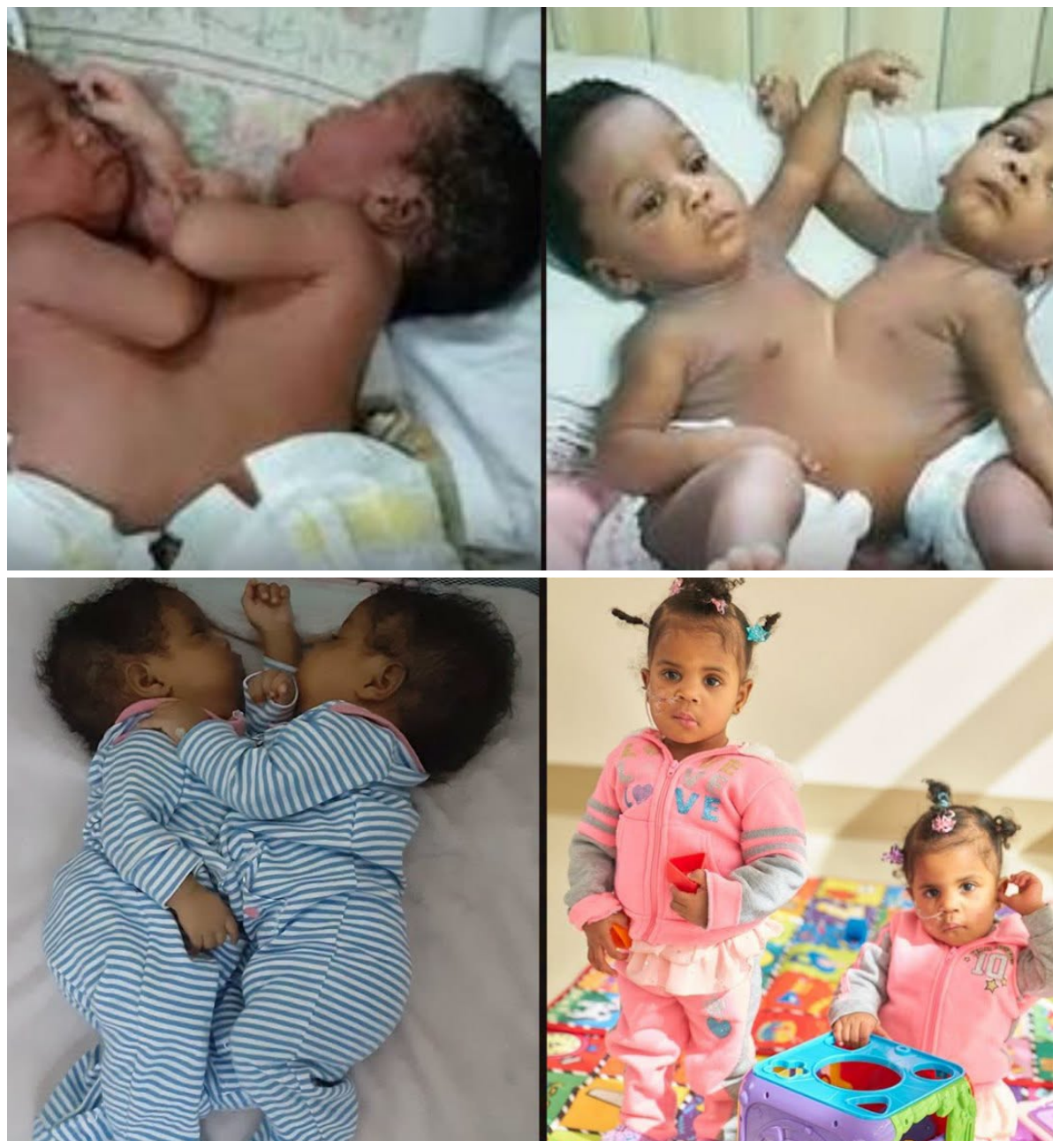
When Hassanatu and Hussainatu were born in Sierra Leone on September 11, 2019, their parents, Alusine and Isatu Jalloh, discovered that their daughters were conjoined twins. The girls were joined through the chest and abdomen, sharing significant portions of their liver and the lining surrounding their hearts.
The twins were part of a triplet pregnancy. Their brother, Chernor Alpha, was born alongside them but sadly died several weeks later after developing a fever. His loss made the family’s search for specialized medical care for the two surviving girls even more urgent.
Back in Freetown, caring for the twins was extremely challenging. Even simple tasks such as feeding, changing diapers and holding the babies required extraordinary care. Their parents knew that separating them would be a highly complex and risky procedure, but they hoped that somewhere in the world there would be a medical team capable of giving their daughters that opportunity.
Their chance eventually came through connections within the Sierra Leonean community in the United States. In December 2019, when the girls were only three months old, their family traveled more than 4,300 miles from Sierra Leone to New York City, where they were evaluated by specialists at NewYork-Presbyterian Morgan Stanley Children’s Hospital and Columbia University Irving Medical Center.
The doctors soon realized that the case would require an enormous amount of preparation.
One of the greatest challenges was that the girls were not physically equal. Hussainatu was considerably smaller and weaker, while Hassanatu was stronger and was able to help support her sister’s body functions as they grew.
Before surgery could even be considered, doctors developed a specialized nutritional program designed to strengthen both babies. With intensive nutritional support, the girls’ combined weight was approximately doubled, giving them a better chance of tolerating the enormous physical stress of separation.
The surgeons also needed enough skin to close the abdominal wounds after the twins were separated. In January 2020, tissue expanders were placed into their abdominal walls. Over approximately six weeks, the expanders gradually stretched their skin and soft tissue, creating additional tissue that could later be used during reconstruction.
Meanwhile, more than 30 surgeons and specialists repeatedly met to study the girls’ anatomy and simulate the operation. Pediatric surgeons, transplant specialists, cardiac and thoracic surgeons, anesthesiologists, hepatologists, nurses and other specialists each had a specific role.
Then, on February 21, 2020, the operation finally began.
The separation lasted approximately nine hours.
The surgeons carefully separated the girls’ fused heart linings and divided the portions of their shared liver. They then reconstructed the chest and abdominal walls so that each sister could have her own body.
At the end of the procedure, something happened that neither girl had ever experienced before.
Hassanatu and Hussainatu were placed on separate beds.
For the first time in their lives, they were two physically independent children.
But separation was only the beginning of their recovery.
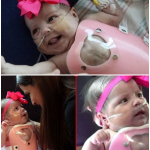
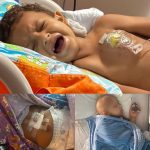
The sisters had very different medical needs after surgery. Hassanatu initially had a smoother recovery, although she required ventilation and intensive neonatal care. Hussainatu faced additional complications because her chest and abdominal cavities were smaller. Doctors performed further procedures to ensure that her heart could function properly inside her newly reconstructed body.
Eventually, both girls continued to improve.
Their recovery became a powerful demonstration of how different two individuals can be—even when they began life physically connected. Once separated, each sister followed her own medical path and developed independently.
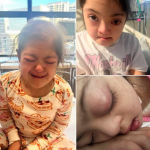
Doctors later reported seeing the girls walking side by side, growing, smiling and interacting like other children their age.
Their journey was remarkable not only because of the complexity of their anatomy, but because of the extraordinary preparation behind their surgery.
For months, doctors planned every stage. Their parents traveled across continents searching for help. Medical specialists worked together to increase the girls’ strength, create additional skin and rehearse a procedure in which even a small mistake could have devastating consequences.
And throughout their earliest months, the sisters had something else that could not be provided by medicine: each other.
Hassanatu was stronger when Hussainatu was fragile. They grew together, supported one another and faced every challenge as a pair.
Eventually, modern medicine gave them something they had never had before—the opportunity to live as two separate individuals.
Today, their story stands as a remarkable example of medical teamwork, parental determination and childhood resilience.
Two girls who entered the world sharing vital parts of their bodies were eventually able to leave the hospital as two independent children, each with the opportunity to grow, learn and discover her own path.
They began life connected by their bodies. They survived because they were supported by one another—and eventually, they were given the chance to stand on their own. ❤️
Sources
- NewYork-Presbyterian Morgan Stanley Children’s Hospital — Inside the Successful Separation Surgery of Conjoined Twins
- Columbia University Irving Medical Center — Inside the Successful Separation Surgery of Conjoined Twins
- Columbia Surgery — reports on the twins’ surgery and recovery
- NewYork-Presbyterian Health Matters — medical team interviews and details of the separation procedure
- ColumbiaDoctors — annual report documenting the successful separation and subsequent recovery of Hassanatu and Hussainatu