Twin Sisters Were Diagnosed With One of the Rarest Diseases in the World
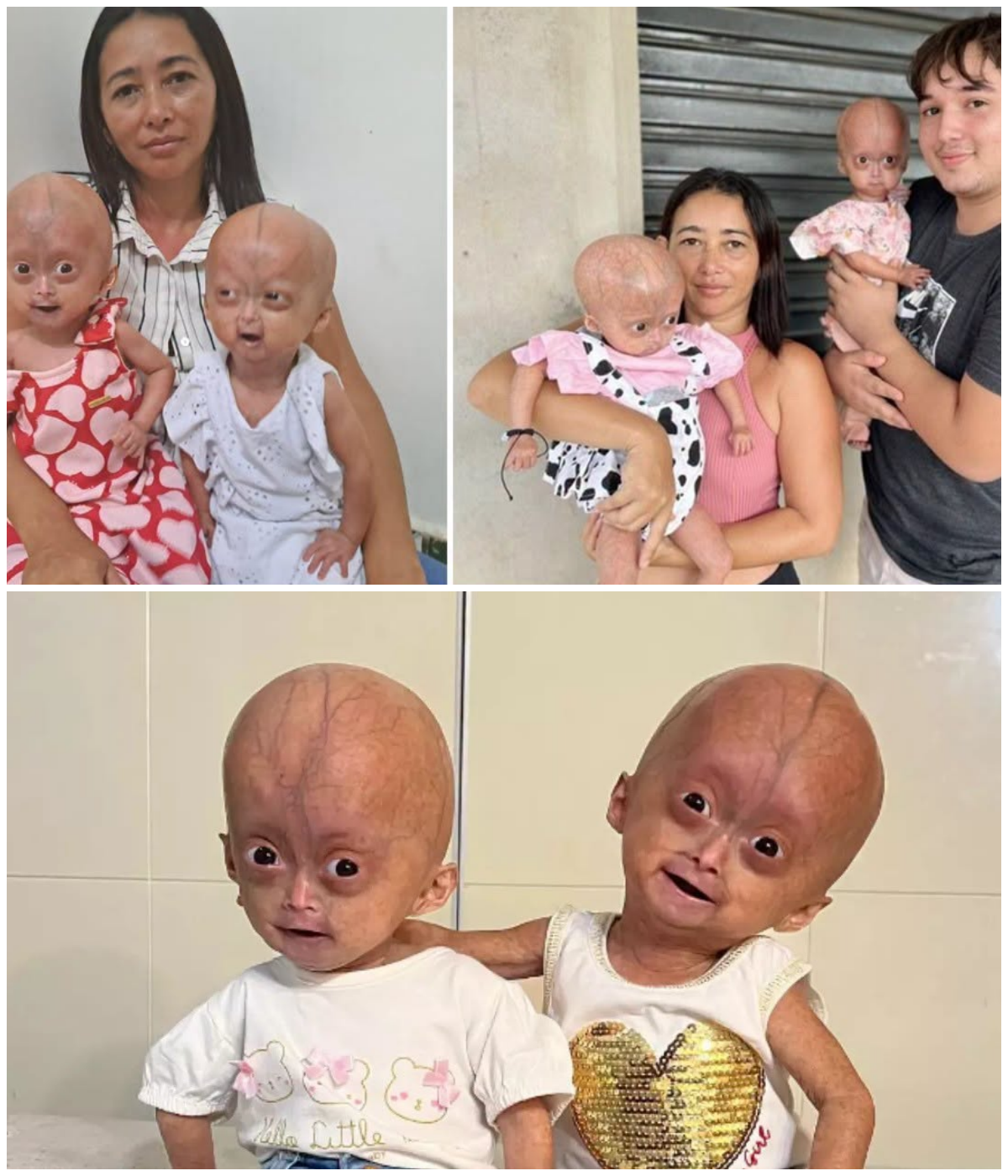
They were born as twins, but as they grew, their family began noticing something unusual. Elis and Eloá Lima Carneiro, sisters from Boa Vista, Brazil, were diagnosed with Hutchinson-Gilford Progeria Syndrome (HGPS), an extremely rare genetic disorder associated with accelerated aging. Their story became particularly remarkable because both sisters developed the same rare condition, making their case an extraordinary one for doctors and researchers.
The girls were born prematurely in 2021, and at first there was little indication that anything unusual was happening. However, when they were around four months old, their family began noticing that they were struggling to gain weight, losing their hair and developing changes in their skin. What initially appeared to be unexplained health problems eventually led to months of medical examinations and genetic testing. Doctors ultimately diagnosed both girls with Hutchinson-Gilford Progeria Syndrome.
HGPS is most commonly caused by a mutation in the LMNA gene, which affects the production of an abnormal protein known as progerin. The condition interferes with normal cellular function and causes severe physical changes as children grow. According to medical references, children with progeria can experience significant growth restriction, loss of body fat, hair loss, distinctive skin changes, joint abnormalities and problems involving the bones. Most seriously, the disease causes premature cardiovascular disease, which is the leading cause of death among people with HGPS.
Despite its name and appearance, progeria is not simply ordinary aging happening at a faster rate. It is a complex genetic disorder that affects the body’s cells and blood vessels. Children with HGPS generally have normal intellectual development, meaning that while their bodies are affected by the disease, they continue to learn, communicate and experience childhood much like other children.
For Elis and Eloá’s family, however, the diagnosis meant learning how to care for two children with an exceptionally rare condition at the same time. Their treatment required ongoing medical monitoring, nutritional support, physiotherapy and other forms of specialized care. Their cardiovascular health also needed close observation because heart and blood-vessel complications are among the most serious consequences of HGPS.
The sisters’ case drew attention because reports described them as the first known pair of twins diagnosed with the syndrome. Because progeria is so rare, having two siblings affected by the condition presents an unusual opportunity for medical professionals to study the disorder and better understand its genetic and biological mechanisms. Their case has therefore attracted interest not only from the public but also from specialists familiar with progeria.
There is currently no cure for HGPS, but medical treatment has made significant progress. In 2020, the U.S. Food and Drug Administration approved lonafarnib, marketed as Zokinvy, for children aged one year and older with Hutchinson-Gilford Progeria Syndrome and certain related conditions. Clinical research has shown that the medication can reduce the risk of death and extend survival for some patients. While it does not eliminate the disease, lonafarnib represents an important advance for children and families facing HGPS.
Yet beyond the medical statistics, Elis and Eloá’s story is also about childhood. As the sisters grew older, their family described them as having different personalities. Elis was said to be increasingly curious and communicative, while Eloá was described as more independent and full of personality. Their differences served as a reminder that even when two children share the same diagnosis, they remain two completely individual people.
Their family has continued to focus on the girls’ lives rather than allowing their diagnosis to define them. They celebrate birthdays, family moments and everyday achievements, while continuing to provide the medical care the sisters need. For a family living with an exceptionally rare disease, ordinary childhood milestones can carry extraordinary meaning.
The story of Elis and Eloá is important to medicine because rare cases can provide researchers with valuable information about genetic diseases. But it is equally important for another reason: behind the scientific terminology are two young girls who laugh, play, communicate, develop their own personalities and experience the world alongside each other.
They may have been born with one of the rarest genetic disorders known to medicine, but to their family, they are not simply a medical case. They are sisters who entered the world together and continue growing through life side by side. Their story is a reminder that even in the face of an extraordinarily difficult diagnosis, childhood is still filled with moments of curiosity, connection, love and hope. ❤️
Sources
UOL • IstoÉ • g1 Roraima • Folha BV • Diário de Pernambuco • GeneReviews / NCBI • U.S. Food and Drug Administration (FDA) • JAMA • The Progeria Research Foundation