Science and Hope: Almira’s Long Road to a Freer Childhood
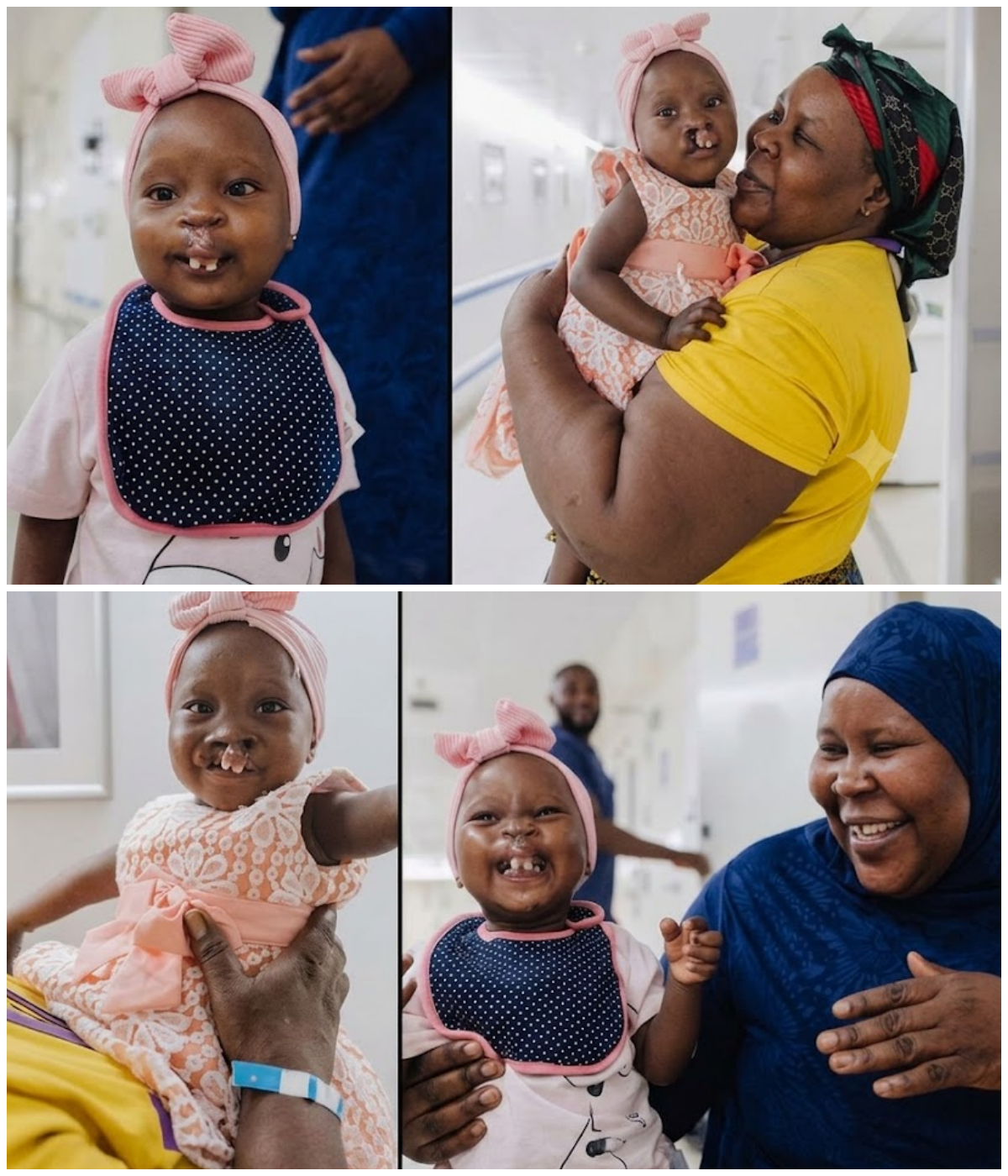
When Kadiatu first held her daughter Almira, she had never seen a child born with a cleft lip. Local health workers explained the condition and pointed the family toward Mercy Ships, the international charity that operates hospital ships and provides free reconstructive surgery in coastal communities where specialized care is scarce.
What followed was not a single operation but a patient, multi-year journey. Cleft lip and palate often require staged treatment: repair of the lip, reconstruction of the palate, and later refinements that support feeding, speech, and facial growth. Because Mercy Ships vessels dock for a limited field service and then move on, Almira’s care unfolded across three separate missions. Each visit meant travel, screening, surgery, recovery, and a wait until the ship—or another team—returned.
Those years carried practical and social weight. Untreated clefts can make feeding difficult and draw unwanted attention. Families frequently describe both the medical strain and the stigma that can follow a visible difference. Kadiatu’s path was one of persistence: following medical advice, returning for each stage of care, and trusting a process that stretched across missions.
Today the family describes a different chapter. Almira has completed the planned surgical sequence. Feeding difficulties linked to the original condition have eased. The photos now circulating show a smiling toddler in a pink bow and patterned dress, held by relatives in a hospital corridor—faces relaxed, the earlier surgical site healed. She is, in her mother’s account and in Mercy Ships’ telling, free to smile without the same barriers and to move through childhood with greater ease.
Mercy Ships’ model pairs volunteer surgical teams with host-country partners. Procedures such as cleft repair are among the operations most frequently performed aboard the Global Mercy and similar vessels, alongside other reconstructive, ophthalmic, and pediatric work. The organization’s public account of Almira’s case emphasizes education at the start—doctors explaining a condition the mother had never encountered—and completion after three operations.
Stories like this sit at the intersection of a treatable congenital difference and the reality that safe surgery remains unevenly available. Staged care over multiple field services is not unusual when specialized teams are itinerant. What stands out in Almira’s case is the continuity: a family that kept returning, and a program that could finish the work begun years earlier.
Almira’s recovery does not erase the difficulty of the wait. It does illustrate what coordinated, free reconstructive care can change: feeding, appearance, social ease, and a child’s ordinary right to smile without the same obstacles.
Sources
Mercy Ships official patient update on Almira (cleft lip and palate, three surgeries)
Mercy Ships descriptions of cleft and reconstructive programs aboard hospital ships