Zarutska Family Files WRONGFUL-DEATH Lawsuit as New Audit Exposes Charlotte Transit Security Gaps
Zarutska Family Files WRONGFUL-DEATH Lawsuit as New Audit Exposes Charlotte Transit Security Gaps
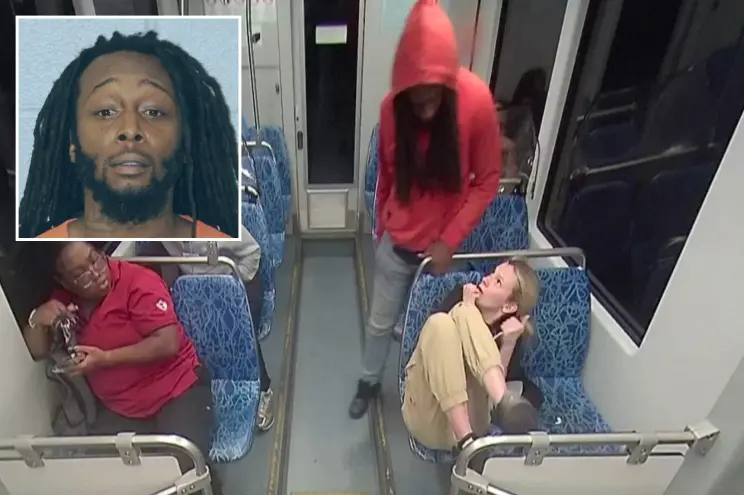
CHARLOTTE, NORTH CAROLINA — One year after 23-year-old Iryna Zarutska was fatally stabbed aboard a Charlotte light-rail train, her family has taken the fight for accountability into civil court.
The family filed a wrongful-death lawsuit against the City of Charlotte and Professional Security Services (PSS), the private company contracted to provide security for the Charlotte Area Transit System.
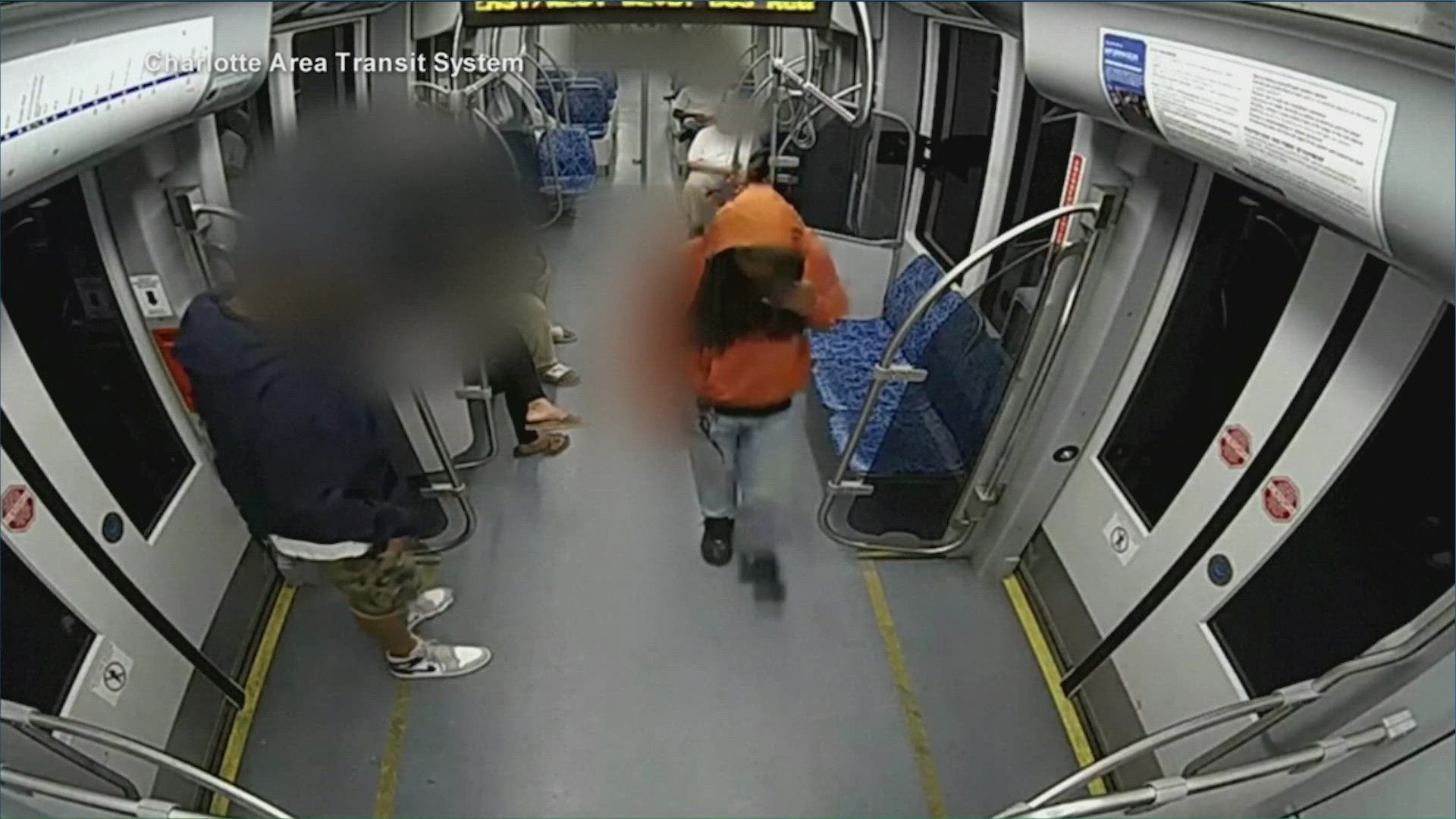
The filing alleges that shortcomings in transit security contributed to the conditions surrounding Zarutska’s death. The lawsuit points to issues including fare enforcement, physical access barriers, staffing levels, security deployment, monitoring and warnings to passengers. The allegations have not been proven in court.
The lawsuit comes at a particularly significant moment because a new North Carolina state audit has also identified security weaknesses within the transit system, giving the family’s claims additional context.

Family Takes Legal Action One Year Later
The lawsuit was filed shortly before the one-year anniversary of Zarutska’s death.
Her family is seeking wrongful-death and punitive damages, while their attorney, Lauren Newton, has said the broader goal is to push Charlotte toward meaningful improvements in public-transit safety.
The complaint names both the city and PSS, arguing that each had responsibilities related to the safety of passengers using the light-rail network.
Charlotte has said it does not comment on active litigation.
PSS had not publicly responded to the allegations in the reports reviewed.
A State Audit Adds New Context
The lawsuit arrives just after North Carolina State Auditor Dave Boliek released an audit examining CATS’ security and safety practices.
The audit identified several weaknesses, including problems involving security planning and the use of safety resources.
One finding highlighted by local reporting was that the transit system had spent less than one-quarter of a $5 million budget designated for security and safety equipment.
The audit also found that Charlotte-Mecklenburg Police did not have real-time access to CATS surveillance cameras when Zarutska was killed.
That issue was later corrected in October 2025, according to the audit-related reporting.
Fare Enforcement Is One of the Lawsuit’s Key Issues
The family claims that inadequate fare enforcement made it easier for people to enter the transit system without being challenged.
According to the lawsuit, Brown did not purchase a ticket before boarding the train.
The complaint argues that stronger access controls could have made the system safer, although it does not establish that any particular security measure would definitely have prevented Zarutska’s killing.
This distinction will likely become important as the civil case develops.
The lawsuit makes allegations about what the defendants should have done; a court has not yet ruled that those alleged failures caused Zarutska’s death.

Security Staffing Is Another Major Question
The complaint also challenges the number and deployment of security personnel.
The family says PSS had been budgeted for 219 security positions, including 39 armed positions, but was not fully staffed.
The lawsuit alleges that the actual staffing levels were substantially lower.
The family argues that the shortage reduced the visible security presence throughout the system.
Whether that staffing difference legally contributed to Zarutska’s death will now be a matter for the court to determine.
The Attack Happened on a Normal Ride Home
Zarutska was a Ukrainian refugee who had come to the United States after fleeing the war in Ukraine.
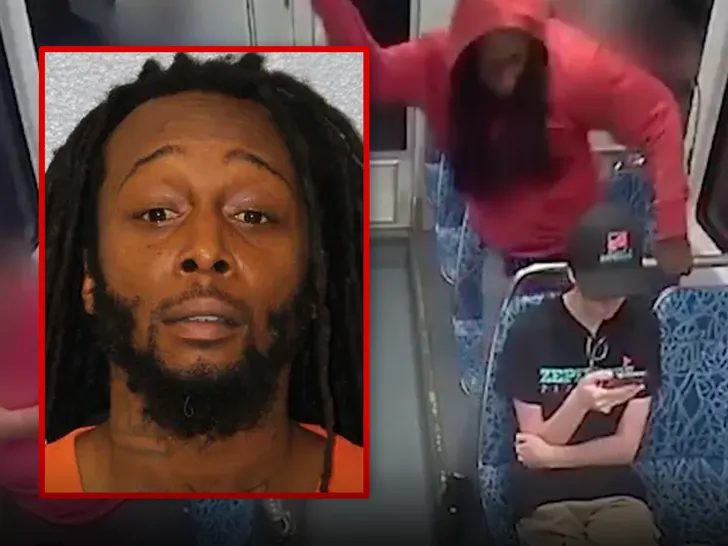
On August 22, 2025, she boarded a CATS Blue Line train after finishing work.
Surveillance footage later released by CATS showed her seated in the train with headphones on.
Investigators said Decarlos Brown Jr. was sitting behind her.
The two did not appear to have interacted before Brown allegedly attacked her with a knife.
Zarutska died from her injuries.
Brown was arrested and subsequently charged with both state and federal crimes.
Brown’s Criminal Case Is on Hold
The criminal prosecution has taken a different path from the family’s civil lawsuit.
Brown was initially charged with murder and later faced a federal charge involving an act causing death on a mass transportation system.
However, in June 2026, a federal judge ruled that Brown was incompetent to stand trial at that time and ordered him to undergo treatment intended to restore his competency.
The state case has also been affected by competency concerns.
That means the criminal proceedings are currently on hold while the mental-health process continues.
Zarutska’s Family Wants More Than a Criminal Prosecution
The civil lawsuit gives the family another avenue to seek answers.
Their attorney says the family believes the tragedy exposed long-standing problems within the Charlotte transit system.
Newton has argued that the purpose of the lawsuit is not simply financial compensation but also to encourage changes that could make public transportation safer.
That includes better security deployment and stronger systems for controlling access to trains and stations.
Iryna Came to America Seeking a Safer Life
Zarutska’s story has resonated particularly strongly with Ukrainian communities in North Carolina.
She had left Ukraine because of the war and was building a new life in Charlotte.
Friends and family remembered her as an artistic and compassionate young woman who wanted to work with animals and build a future in the United States.
One year later, her family is seeking to turn the circumstances of her death into a broader push for public-transit reform.
What the Lawsuit Will Have to Prove
The family’s allegations are serious, but a lawsuit must still establish legal responsibility.
Among the issues the court may ultimately have to examine are:
Whether Charlotte and PSS knew about specific security risks.
Whether their security policies were reasonable.
Whether the staffing and surveillance systems were adequate.
And most importantly, whether any alleged failures were legally connected to Zarutska’s death.
The state audit may become relevant evidence, but it does not automatically establish liability in the family’s lawsuit.
Surveillance Access Became a Major Issue
The delayed access to CATS surveillance footage is another important part of the story.
According to the audit-related reporting, CMPD did not have real-time access to the transit system’s cameras when Zarutska was attacked.
That capability was later corrected.
The timing has become part of the family’s broader argument that Charlotte’s transit-security infrastructure was not adequately prepared before the fatal incident.
Again, the existence of a system weakness does not by itself prove that it caused Zarutska’s death.
The Case Has Already Changed Charlotte Policy
Zarutska’s death triggered significant political and policy debate in North Carolina.
Her killing became a major focus of discussions about public safety, violent crime, transit security and mental-health intervention.
The state later enacted legislation known as Iryna’s Law, which changed certain criminal and bail procedures.
The lawsuit now adds another layer to that continuing debate.
One Year Later, Two Legal Battles Continue
The criminal case asks whether Brown can ultimately be held responsible for Zarutska’s killing.
The civil lawsuit asks whether the city and its security contractor failed in duties that contributed to her death.
Those are separate legal questions.
Brown’s competency proceedings may delay the criminal case, while the family’s lawsuit is now beginning its own process.
That means the search for accountability will continue through two different court systems.
What Happens Next?
Charlotte and PSS are expected to respond to the lawsuit through the legal process.
The case could lead to extensive discovery involving CATS security staffing, fare enforcement, surveillance systems, previous incidents and communications between city officials and the private contractor.
At the same time, Brown remains in custody while undergoing treatment related to his competency.
There has not yet been a final judicial finding that the city or PSS was responsible for Zarutska’s death.
One year after Iryna Zarutska was killed on a Charlotte light-rail train, her family’s lawsuit is forcing a new question into the spotlight: were the security failures identified after her death simply problems — or were they failures that the city and its contractor should have addressed before tragedy struck?
The answer will now be tested in court.