Hope, Not Separation: Ibrahima Ndiaye and His Daughters Marieme and Ndeye
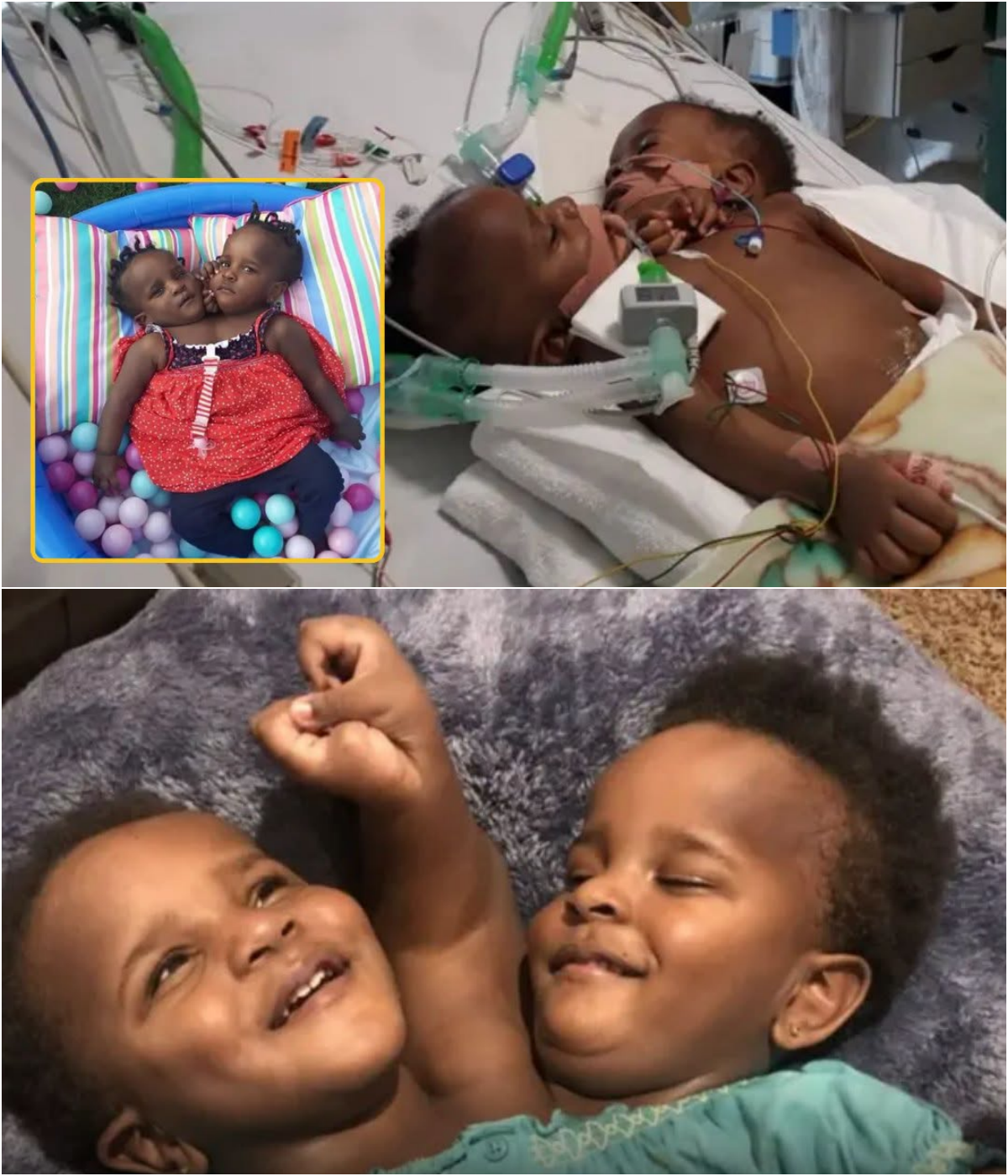
When Marieme and Ndeye were born in Senegal in 2016, their parents had been expecting one child. Doctors found two girls joined at the abdomen, sharing a pelvis and one pair of legs, a liver, a bladder and a digestive tract, each with her own heart and spinal cord. They were not expected to live more than a few days. Their father, Ibrahima Ndiaye, a managing director at home, began calling hospitals around the world. A charitable foundation linked to Senegal’s then first lady helped get the infants to Great Ormond Street Hospital in London in 2017, when they were seven months old. Ibrahima left his career and the rest of the family in Dakar. He later sought asylum; the Home Office housed them in Cardiff. He has described the choice as what a parent does.
GOSH has separated more conjoined twins than any other centre. For a time, separation looked like the girls’ best chance. Then imaging showed how tightly their circulations were braided. Neither child could survive without the other. Ibrahima had already doubted an operation that might save one daughter by ending the other. The medical team reached the same conclusion: they would not be divided. The BBC filmed that decision in The Conjoined Twins: An Impossible Decision, and later Inseparable Sisters, as the girls turned seven.
They need round-the-clock care. Marieme, the more fragile of the two, depends heavily on her sister for oxygenated blood. They have still done what the first prognosis forbade. They learned to stand. They entered mainstream school in south Wales, made friends, and sat through birthday parties in class — even if, their father says, maths is not their favourite. They are thought to be the only growing conjoined twins in Europe. They have been granted UK citizenship. Ibrahima’s line is practical, not pious: when you are told there is no future, you live in the present, and you try to give them a life that does not require hiding.
The viral caption calls this a miracle of paternal love. The documented story is sterner and better. A man gave up a profession and a country so two children who share a body could be seen by the few teams on Earth who understand that body. Separation was refused because it would have been a death sentence dressed as hope. What remains is care, school, and time that no one in Dakar in 2016 thought they would have.
Sources: BBC News and BBC Wales reporting (2019–2024); Great Ormond Street Hospital statement on the documentary Inseparable Sisters; Wales Online interview with Ibrahima Ndiaye; Welsh Government St David Awards profile of the twins.